

Hydration, Diet, and Kidney Health: Tips for a Long-Lived Pet
Written by MyCern Research & Editorial Team
Kidney health is vital for pets’ overall wellbeing. The kidneys filter waste, balance electrolytes, and help regulate blood pressure functions essential for energy, organ health, and longevity. Maintaining hydration and providing a balanced diet play key roles in supporting healthy kidney function over time.
This article explores:
- How the kidneys function in pets
- The relationship between hydration, diet, and kidney health
- Practical lifestyle tips to support renal function
- Monitoring strategies for early detection of kidney stress
- Ways to promote long-term wellness through daily routines
Understanding Pet Kidney Function
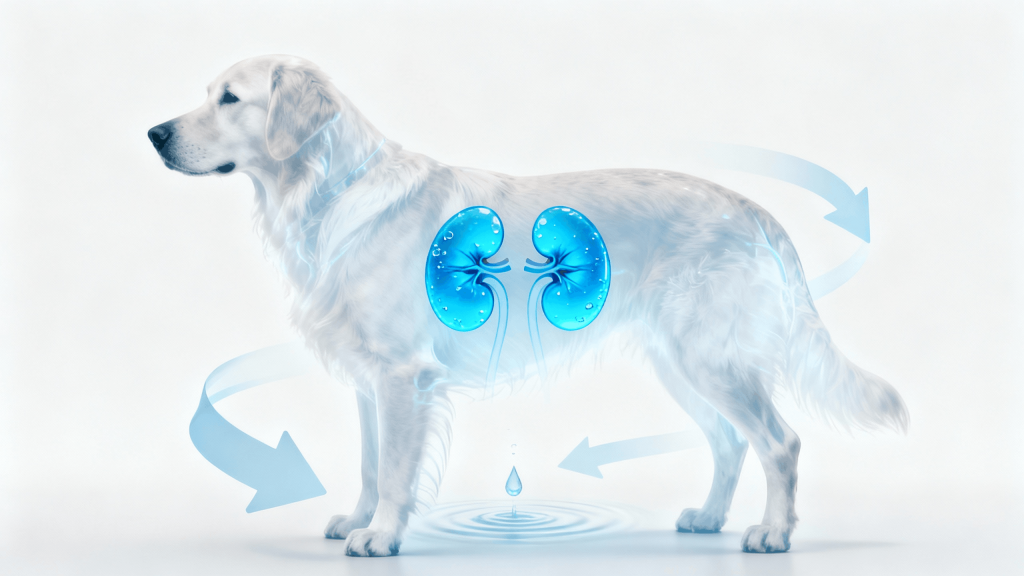
The kidneys are sophisticated organs that regulate a pet’s internal environment:
- Waste filtration: Remove metabolic byproducts and toxins from the bloodstream
- Fluid and electrolyte balance: Maintain hydration and proper mineral levels
- Hormone regulation: Control blood pressure and support red blood cell production
Healthy kidneys are essential for overall metabolism and organ function. Age, breed predispositions, and chronic health conditions can influence kidney efficiency.
Hydration and Its Role in Kidney Health
Water is crucial for kidney function. Insufficient hydration can concentrate urine, increasing the risk of crystal formation and strain on the kidneys.
Hydration tips for pets:
- Provide fresh, clean water at all times
- Encourage drinking through multiple bowls or water fountains
- Offer wet food or broths to supplement fluid intake
- Monitor urine color: pale yellow typically indicates proper hydration
Quick Tip Box – Encourage Your Pet to Drink More:
- Use shallow or wide bowls for picky drinkers
- Rotate water bowls to keep things fresh
- Try flavoring water with pet-safe broths (without added salt)
- Ice cubes can entice playful pets to drink

Diet and Kidney Support
Diet quality affects kidney workload. Nutrient balance and protein management are important considerations:
- Moderate protein: Supports kidney function without overburdening filtration
- Balanced minerals: Sodium and phosphorus levels influence kidney stress
- Antioxidants: Vitamins C and E can help protect cells from oxidative stress
- Fiber: Supports digestive health and metabolic balance
Quick Tip Box – Diet Strategies:
- Avoid excessive table scraps or high-salt foods
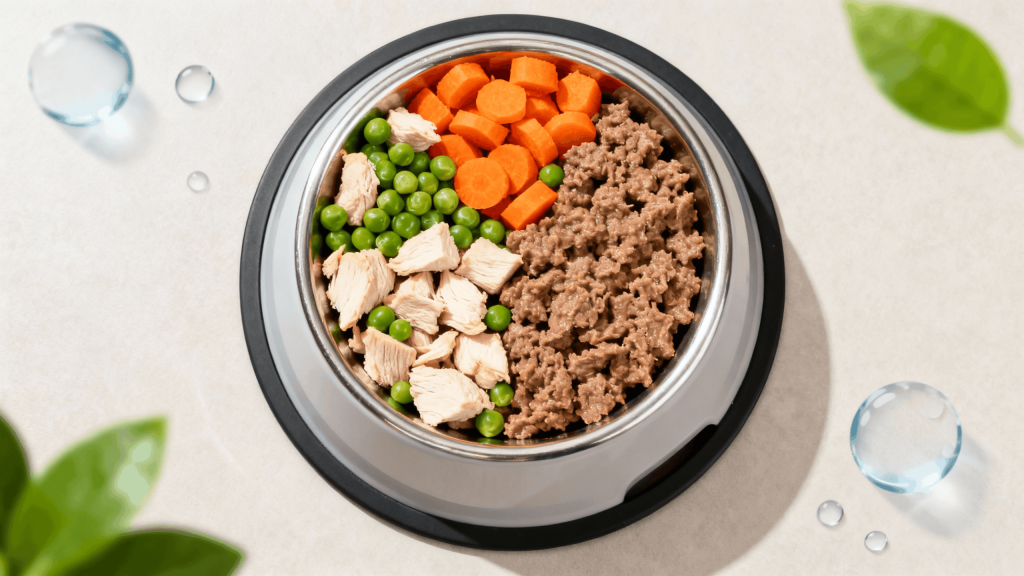
- Consider mixing wet and dry food to maintain hydration
- Introduce nutrient-rich vegetables or supplements only under veterinary guidance
- Gradual diet changes help prevent digestive upset
Lifestyle Tips for Kidney Health
- Encourage regular activity to maintain healthy weight and circulation
- Schedule routine veterinary check-ups including bloodwork and urine analysis
- Monitor signs of early kidney stress: increased thirst, frequent urination, lethargy
- Maintain a consistent feeding and hydration schedule
Quick Tip Box – Daily Wellness Routine:
- Morning walk or play session to stimulate activity
- Fresh water refill mid-day
- Evening meal with balanced hydration content
- Regular weight and body condition check
References
- Brown, S., et al. (2016). Chronic kidney disease in dogs and cats: Diagnosis and management. Veterinary Clinics of North America: Small Animal Practice, 46(6), 1059–1073.
- Polzin, D. J. (2011). Chronic kidney disease in small animals. Veterinary Clinics of North America: Small Animal Practice, 41(1), 15–30.
- Ross, L. A., et al. (2006). Nutrition and hydration in renal health of cats and dogs. Journal of Animal Physiology and Animal Nutrition, 90(7–8), 309–320.
- Bartges, J. (2012). Dietary management of kidney disease in dogs and cats. Veterinary Clinics of North America: Small Animal Practice, 42(4), 797–811.
Conclusion
Healthy hydration and a balanced diet are foundational to supporting your pet’s kidney function. By promoting water intake, monitoring nutrient balance, and maintaining an active lifestyle, pet owners can support long-term renal health and overall wellness. Consistent, science-informed routines help pets live longer, healthier, and more energetic lives.

