

The Role of Cellular Hydration in Pet Vitality
Written by MyCern Research & Editorial Team
Most pet owners think about hydration in simple terms: is the water bowl full, and is their pet drinking enough? While daily water intake is important, true hydration goes much deeper. At its core, hydration is a cellular process one that directly influences energy production, digestion, circulation, temperature regulation, and overall vitality in both dogs and cats.
Pets can appear outwardly “fine” while their cells are under-hydrated, especially as they age, eat dry-heavy diets, or experience chronic stress. Understanding how hydration works at the cellular level helps explain why adequate water balance supports long-term health, resilience, and quality of life.
This article explores:
- What cellular hydration actually means
- How water supports cellular and organ function
- Why pets are prone to subtle dehydration
- The link between hydration, energy, and aging
- Practical ways to support healthy hydration daily
What Is Cellular Hydration?
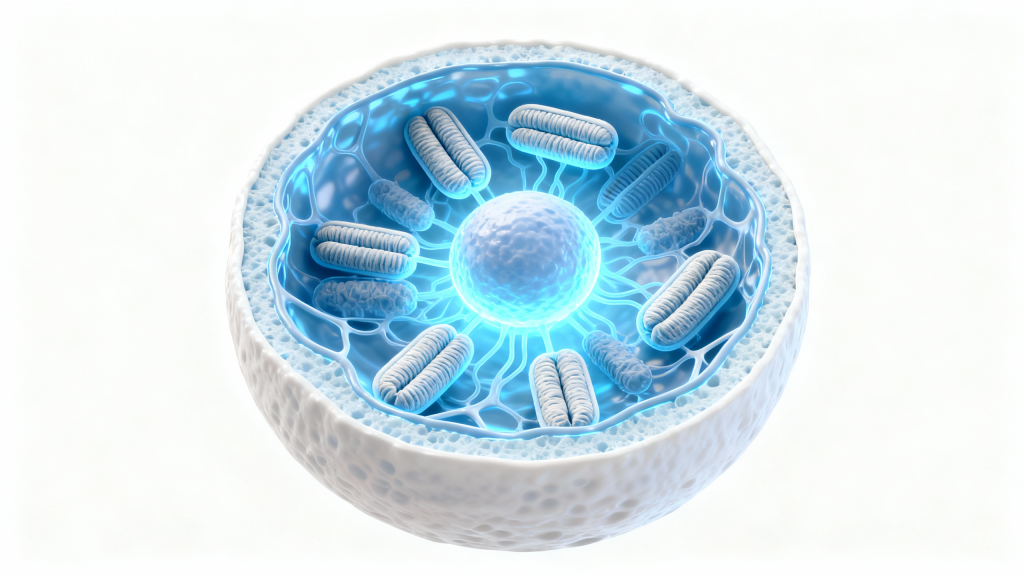
Cellular hydration refers to the amount of water contained within and surrounding cells, not just the total fluid consumed. Water makes up roughly 60–70% of a healthy pet’s body weight and is a primary component of every cell.
At the cellular level, water is essential for:
- Nutrient transport into cells
- Removal of metabolic waste
- Enzyme activity and chemical signaling
- Maintaining cell shape and membrane flexibility
When cells are adequately hydrated, they function efficiently. When hydration drops—even mildly—cellular processes slow down, affecting tissues and organs throughout the body.
Why Hydration Is More Than Thirst
Thirst is a late-stage signal. By the time a pet actively seeks water, cellular dehydration may already be present.
Several factors can impair cellular hydration without obvious thirst cues:
- Dry or low-moisture diets
- Aging-related changes in kidney efficiency
- Increased respiratory water loss (panting)
- Stress hormones that alter fluid distribution
- Inadequate electrolyte balance
Cats are especially vulnerable due to their evolutionary history as desert-adapted animals with a naturally low thirst drive.
How Cellular Hydration Supports Vital Body Systems
Energy Production and Metabolism
Water is required for ATP production—the process by which cells generate usable energy. Even mild dehydration can reduce metabolic efficiency, leading to fatigue, reduced activity, and slower recovery after exercise.
Hydrated cells maintain better mitochondrial function, supporting sustained energy levels and physical stamina.

Digestion and Nutrient Absorption
Hydration supports:
- Saliva production and swallowing
- Digestive enzyme activity
- Intestinal motility and stool consistency
Poor cellular hydration can contribute to constipation, sluggish digestion, and reduced nutrient absorption even when diet quality is adequate.
Kidney and Urinary Health
The kidneys rely on sufficient water to filter waste products efficiently. At the cellular level, hydration helps protect kidney tissue from concentrated toxins and supports healthy urine dilution.
Chronic low-grade dehydration increases strain on renal cells over time, particularly in senior pets.
Joint and Tissue Flexibility
Water is a major component of cartilage, connective tissue, and synovial fluid. Adequate cellular hydration supports tissue elasticity, shock absorption, and joint comfort.
Dehydrated tissues are more prone to stiffness and reduced range of motion, especially in aging or highly active pets.
Temperature Regulation and Circulation
Water allows the body to regulate heat through panting, circulation, and evaporation. At the cellular level, hydration helps maintain blood volume and nutrient delivery to tissues.
Even small hydration deficits can impair heat tolerance and cardiovascular efficiency.
Why Pets Commonly Experience Subtle Dehydration
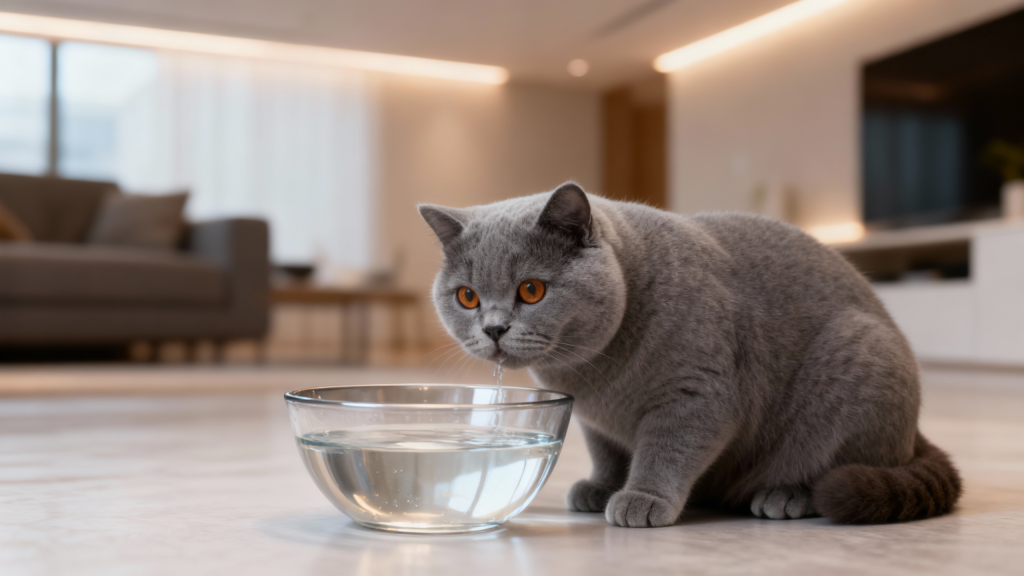
Many pets live in a state of chronic mild dehydration without obvious clinical signs. Common contributors include:
- Diets dominated by dry kibble
- Limited access to fresh, appealing water sources
- Stress or anxiety reducing drinking behavior
- Increased water needs during heat, exercise, or illness
- Age-related decline in thirst sensitivity
Because these factors accumulate gradually, dehydration often goes unnoticed until secondary issues appear.
Practical Ways to Support Cellular Hydration Daily
Supporting hydration is not about forcing water intake—it’s about creating conditions that encourage consistent, biologically appropriate hydration.
Helpful strategies include:
- Providing multiple clean water stations throughout the home
- Refreshing water frequently to maintain taste and temperature
- Incorporating moisture-rich foods when appropriate
- Supporting calm feeding and drinking environments
- Encouraging regular movement, which helps regulate fluid balance
Consistency matters more than occasional increases in water consumption.
Signs That Hydration May Be Suboptimal
While not always obvious, subtle signs can include reduced energy, dry gums, concentrated urine, constipation, reduced skin elasticity, or increased fatigue after normal activity.
Because these signs overlap with many conditions, hydration should be viewed as a foundational support factor, not a standalone diagnosis.

Conclusion
Cellular hydration is one of the most overlooked pillars of pet vitality. Water is not just a thirst-quencher it is a structural and functional necessity for every cell, tissue, and organ. When hydration is supported at the cellular level, pets are better equipped to maintain energy, digestion, mobility, and long-term resilience.
By understanding hydration as a cellular process rather than a bowl-level habit, pet owners can take simple, meaningful steps toward supporting lasting health and comfort.
References
- Popkin, B. M., D’Anci, K. E., & Rosenberg, I. H. (2010). Water, hydration, and health. Nutrition Reviews, 68(8), 439–458.
- Jéquier, E., & Constant, F. (2010). Water as an essential nutrient: The physiological basis of hydration. European Journal of Clinical Nutrition, 64(2), 115–123.
- Burger, I. H., & Smith, P. M. (1987). Effects of diet on water turnover in dogs and cats. Journal of Nutrition, 117(12), 2139–2144.
- Finch, N. C., et al. (2016). Feline hydration and renal health: The role of water intake. Journal of Feline Medicine and Surgery, 18(10), 807–813.
- Armstrong, L. E. (2007). Assessing hydration status: The elusive gold standard. Journal of the American College of Nutrition, 26(sup5), 575S–584S.