

Pet Metabolism Support: How Nutrition and Daily Habits Influence Energy and Weight
Written by MyCern Research & Editorial Team
Metabolism is the engine that powers every biological process in your pet’s body. From converting food into usable energy to regulating body weight, temperature, and cellular repair, metabolic function plays a central role in daily vitality. When metabolic balance is disrupted, changes in weight, stamina, and overall well-being often follow. Understanding pet metabolism support helps caretakers make informed decisions that protect long-term health rather than focusing only on calories.
What Metabolism Really Means for Pets

Metabolism refers to the chemical processes that convert nutrients into energy and building blocks for cells. In dogs and cats, these processes influence energy levels in pets, muscle maintenance, fat storage, and hormone regulation.
Metabolic rate varies widely between individuals. Species, breed, age, body composition, and activity level all affect how efficiently a pet uses energy. Cats, for example, are obligate carnivores with a metabolism optimized for protein and fat use, while dogs have more metabolic flexibility.
Nutrition as the Foundation of Metabolic Health
Nutrition provides the raw materials that fuel metabolic pathways. The quality, balance, and digestibility of nutrients matter as much as total intake when supporting metabolic health for dogs and cats.
Key nutritional influences include:
- Protein quality, which supports lean muscle mass—muscle tissue is metabolically active and helps regulate energy expenditure
- Dietary fats, essential for energy density and hormone production, especially in cats
- Micronutrients, such as B vitamins, zinc, and selenium, which act as cofactors in metabolic reactions
Overfeeding or nutrient imbalance can disrupt metabolic signaling, leading the body to favor fat storage over energy use, even when activity levels remain unchanged.
The Role of Muscle in Energy Balance
Muscle tissue plays a critical role in metabolism. Pets with greater lean muscle mass generally have higher resting energy needs and better glucose regulation. Loss of muscle due to inactivity, aging, or illness can slow metabolism and contribute to unwanted weight gain.
Daily movement—whether structured exercise for dogs or play-based activity for cats—supports muscle maintenance and metabolic efficiency. Even moderate, consistent activity can positively influence how the body handles energy.

Daily Habits That Shape Metabolic Function
Metabolism does not operate in isolation from lifestyle. Daily routines strongly influence metabolic rhythms and efficiency.
Important habit-related factors include:
- Consistent feeding schedules, which help regulate hormonal signals involved in hunger and energy use
- Sleep quality, as disrupted sleep can interfere with metabolic regulation and appetite signaling
- Stress exposure, which can alter hormone levels and shift energy storage patterns
Supporting metabolism means looking beyond food alone and considering how daily structure affects internal balance.
Age-Related Changes in Metabolism
As pets age, metabolic rate naturally slows. This does not mean energy needs disappear, but rather that the body becomes more sensitive to excess intake and less efficient at maintaining muscle.
Older pets often benefit from nutritional strategies and daily habits that prioritize lean body mass, stable energy release, and gentle activity. Monitoring subtle shifts in weight or stamina helps identify when metabolic support may need adjustment.
Individual Differences Matter
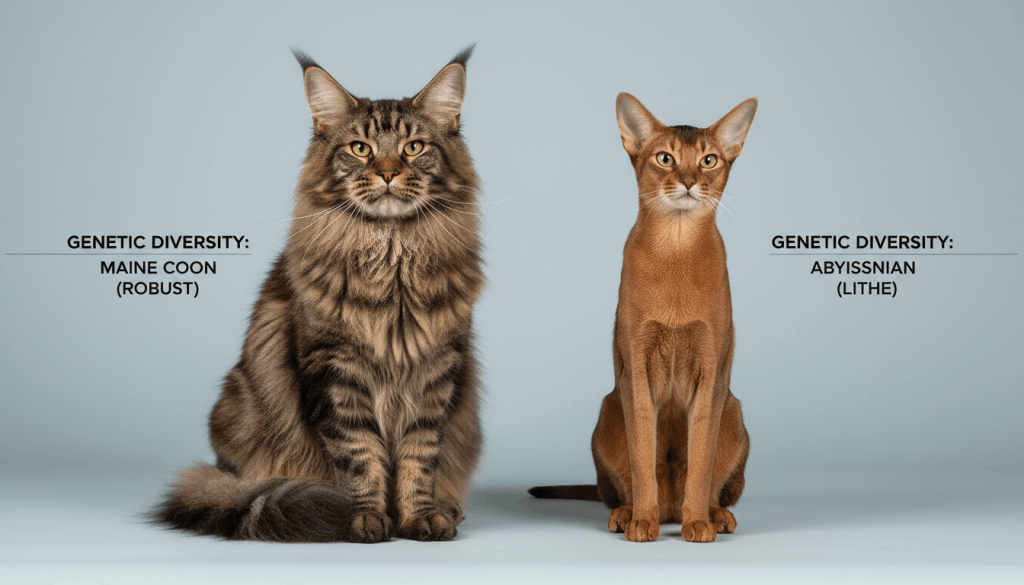
Two pets eating similar diets can display very different metabolic outcomes. Genetics, early-life nutrition, hormone balance, and gut microbiome composition all influence how energy is processed.
Rather than relying on generalized feeding recommendations alone, observing changes in body condition, energy, and behavior provides valuable insight into metabolic health.
Conclusion
Effective pet metabolism support is about balance, not restriction. Nutrition quality, muscle maintenance, daily routines, and age-specific needs all interact to shape how energy is used and stored. By supporting metabolic health for dogs and cats through thoughtful nutrition and consistent habits, caretakers can help promote stable weight, sustained energy levels in pets, and long-term vitality.
References
- Zoran, D. L. (2010). The carnivore connection to nutrition in cats. Journal of the American Veterinary Medical Association, 236(5), 522–528.
- German, A. J. (2006). The growing problem of obesity in dogs and cats. Journal of Nutrition, 136(7), 1940S–1946S.
- Laflamme, D. P. (2012). Companion animals symposium: Obesity in dogs and cats: What is wrong with being fat? Journal of Animal Science, 90(5), 1653–1662.
- Peng-Winkler, Y., & Fendt, S. M. (2026). Metabolic adaptations in cancer progression. Physiological reviews, 106(1), 1-51.

