
Itchy Skin and Paw Licking in Dogs: Understanding Allergies and Sensitivities
Written by MyCern Research & Editorial Team
Itchy skin and persistent paw licking are among the most common reasons dogs visit veterinary clinics. While occasional scratching is normal, frequent irritation can indicate underlying sensitivities or allergic reactions. Understanding the difference between environmental and food-related triggers and supporting skin health through nutrition and lifestyle can help dogs stay comfortable and healthy.
This article explores:
- Why dogs develop itchy skin and paw licking
- Differences between environmental and food allergies
- The gut–skin connection in canine health
- How fatty acids support skin barrier function
- Daily habits to reduce irritation and support comfort
Why Dogs Lick Their Paws and Scratch

Paw licking and scratching are natural grooming behaviors, but excessive behavior may signal skin irritation:
- Allergic reactions to allergens
- Skin barrier disruption
- Inflammation from immune system responses
- Behavioral responses to stress or discomfort
Quick Tip Box – Signs of Concern:
- Red or inflamed paws
- Hair loss around frequently licked areas
- Crusty or scaly skin
- Frequent scratching at specific body areas
Environmental Allergies
Environmental allergens can affect dogs through contact, inhalation, or ingestion:
- Pollens, grasses, and molds
- Dust mites or household cleaning agents
- Fabrics and bedding
These allergens can trigger immune responses, leading to itching and inflammation.
Quick Tip Box – Minimizing Environmental Triggers:
- Wipe paws after outdoor walks
- Wash bedding frequently
- Use fragrance-free cleaning products
- Reduce indoor dust and mold exposure
Food Sensitivities

Food allergies or sensitivities may also contribute to skin irritation:
- Common protein sources (chicken, beef, dairy) may trigger reactions
- Signs are often chronic rather than acute
- Digestive and skin symptoms may appear together
Quick Tip Box – Managing Food Sensitivities:
- Track symptom patterns relative to diet changes
- Introduce new foods gradually
- Consider limited-ingredient diets if recommended by a professional
- Avoid unnecessary frequent diet switches
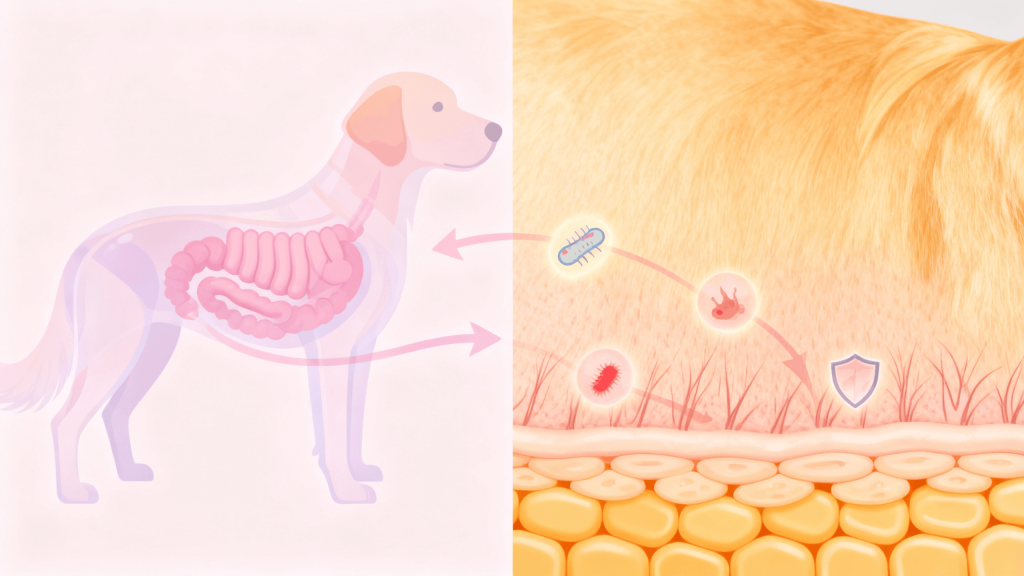
The Gut–Skin Connection
The gut microbiome influences immune function, inflammation, and skin barrier health:
- Healthy gut bacteria help regulate immune responses
- Dysbiosis (microbial imbalance) can exacerbate skin sensitivity
- Digestive support may reduce skin inflammation over time
Quick Tip Box – Supporting Gut and Skin Health:
- Feed complete, balanced diets
- Ensure adequate fiber for gut health
- Maintain hydration to support digestion
- Monitor stool quality alongside skin condition
Omega Fatty Acids and Skin Comfort
Fatty acids play a central role in skin barrier function and inflammatory balance:
- Omega-3 fatty acids: Support anti-inflammatory pathways and maintain skin integrity
- Omega-6 fatty acids: Important for barrier function but require balance
- Antioxidants: Help protect skin cells from oxidative stress
Quick Tip Box – Nutritional Support for Itchy Skin:
- Include high-quality, balanced nutrition
- Avoid excessive supplementation without guidance
- Maintain consistent feeding routines
- Support hydration alongside nutrient intake
Daily Habits That Reduce Irritation
- Regular, gentle grooming to remove loose hair and allergens
- Provide multiple clean, comfortable resting areas
- Observe and document changes in skin, paws, and coat
- Encourage stress-reducing activities, like play and enrichment
Quick Tip Box – Comfort-Focused Home Care:
- Limit exposure to potential environmental irritants
- Keep nails trimmed to reduce self-inflicted damage
- Provide mental enrichment to reduce stress-induced licking
- Rotate toys and introduce new textures for engagement

References
- Olivry, T., et al. (2015). Allergic skin diseases in dogs. Veterinary Dermatology, 26(3), 161–179.
- Hill, P. B., et al. (2006). Food allergy and atopic dermatitis in dogs: Clinical signs and dietary management. Journal of Small Animal Practice, 47(5), 262–272.
- Marsella, R., et al. (2012). The role of fatty acids in canine dermatology. Veterinary Dermatology, 23(5), 398–405.
- Weese, J. S., & Arroyo, L. G. (2005). The gut-skin axis in companion animals. Journal of Veterinary Internal Medicine, 19(2), 179–184.
Conclusion
Itchy skin and paw licking in dogs often result from a combination of environmental exposure, dietary sensitivities, and internal skin or gut health factors. By understanding triggers, supporting gut and skin function through balanced nutrition, and maintaining calm, enriched daily routines, dog owners can help reduce irritation and promote comfort. A thoughtful, preventive approach supports long-term skin health and overall wellbeing.