Digestive Upset in Dogs: Why Gas, Loose Stools, and Bloating Happen
Written by MyCern Research & Editorial Team
Digestive upset is a common concern for dog owners, manifesting as gas, loose stools, or bloating. While occasional digestive changes can be normal, repeated or severe episodes may signal imbalances in gut function, enzyme activity, or diet transitions. Understanding the mechanisms behind digestive upset allows pet owners to support gastrointestinal health naturally and maintain their dog’s comfort and vitality.
This article explores:
- How the gut microbiome affects digestion
- The role of enzymes in nutrient breakdown
- Why diet changes can trigger digestive upset
- Daily habits to maintain digestive comfort
- Practical strategies to reduce gas, bloating, and loose stools
The Gut Microbiome and Digestive Health
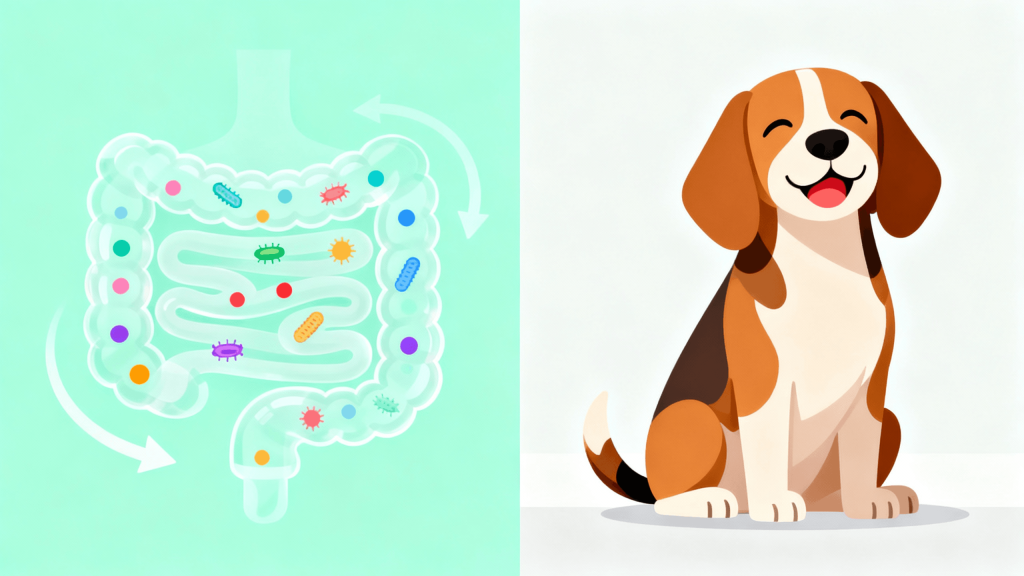
The gut microbiome is a complex ecosystem of bacteria, yeasts, and other microorganisms that influence digestion, nutrient absorption, and immune function:
- Beneficial microbes help break down fiber and other nutrients
- Imbalances can lead to gas, bloating, and loose stools
- Stress, illness, and inappropriate feeding may disrupt microbial balance
Quick Tip Box – Supporting a Healthy Microbiome:
- Feed complete, balanced diets consistently
- Avoid sudden diet changes
- Encourage hydration to support gut transit
- Monitor stool quality regularly
Enzyme Insufficiency and Nutrient Breakdown
Digestive enzymes break down proteins, fats, and carbohydrates into absorbable forms. Insufficient enzyme activity can contribute to:
- Malabsorption of nutrients
- Fermentation of undigested food by gut bacteria, causing gas
- Loose stools and bloating
Quick Tip Box – Enzyme Awareness:
- Feeding highly digestible proteins supports efficient breakdown
- Avoid feeding large meals at once
- Consider discussion with a vet if chronic digestive upset occurs
Diet Transitions and Digestive Upset
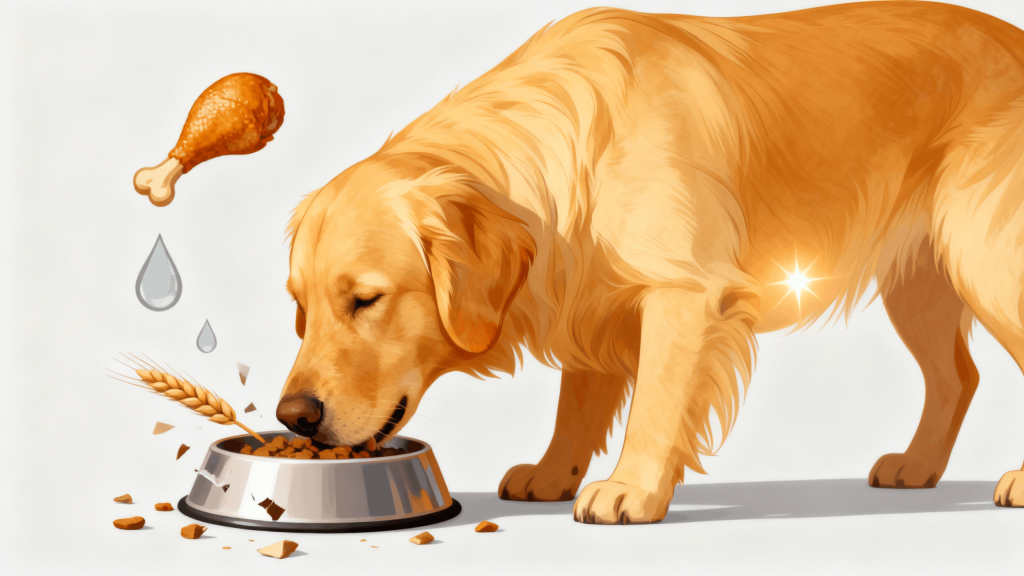
Changing a dog’s diet too quickly is a frequent cause of temporary digestive upset:
- Abrupt transitions can shock gut bacteria and enzymes
- New ingredients may be harder to digest initially
- Gradual introduction allows the gut to adapt
Quick Tip Box – Smooth Diet Transitions:
- Transition over 7–10 days, gradually increasing new food proportion
- Monitor stool consistency daily
- Maintain consistent feeding times
- Avoid simultaneous introduction of multiple new foods or treats
Daily Habits to Promote Digestive Comfort
Simple, consistent habits can help reduce digestive disturbances:
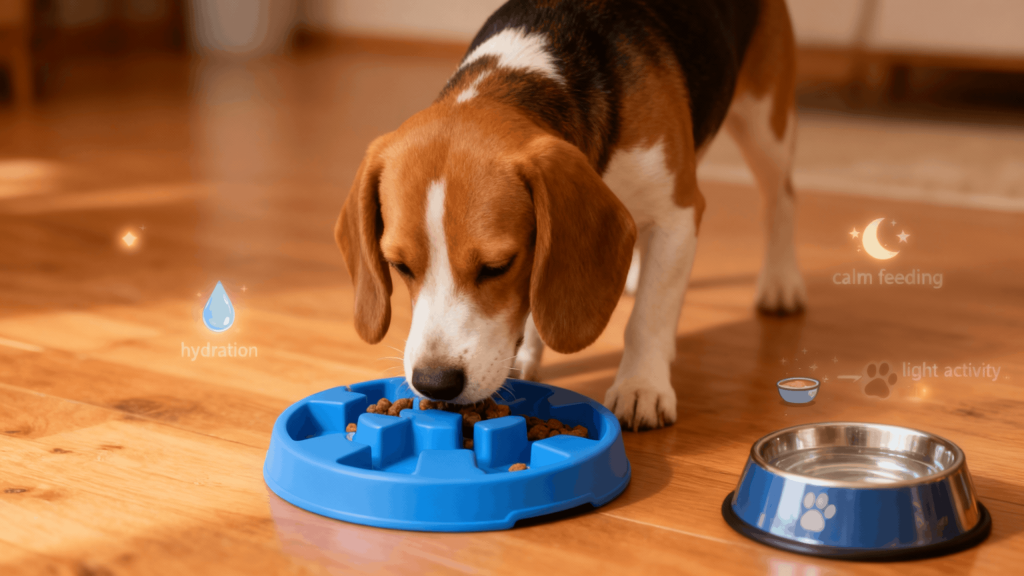
- Feed smaller, frequent meals instead of one large meal
- Encourage slow eating to improve digestion
- Maintain regular hydration to support motility
- Avoid table scraps and sudden treats
Quick Tip Box – Lifestyle Support for Digestion:
- Observe stool frequency and texture
- Provide calm feeding environments
- Rotate chewable or enrichment toys to encourage natural digestion
- Keep activity light immediately after meals
References
- Swanson, K. S., et al. (2011). Nutritional influences on the canine intestinal microbiome. Journal of Animal Science, 89(5), 1701–1711.
- Suchodolski, J. S. (2016). The intestinal microbiome in dogs and cats. Veterinary Clinics of North America: Small Animal Practice, 46(6), 1111–1132.
- Bauer, J. E. (2006). Digestive enzyme function in companion animals. Journal of Nutrition, 136(7), 2048S–2052S.
- Hand, M. S., et al. (2010). Small Animal Clinical Nutrition. 5th Edition. Mark Morris Institute.
Conclusion
Gas, loose stools, and bloating in dogs often reflect underlying microbiome imbalances, enzyme insufficiency, or abrupt diet changes. By supporting gut health through gradual diet transitions, consistent feeding practices, and hydration, pet owners can promote digestive comfort and overall wellbeing. Science-informed observation and proactive care help maintain gastrointestinal balance, keeping dogs comfortable and thriving.