
Understanding Feline Urinary Tract Issues: Causes, Symptoms, and Daily Support
Written by MyCern Research & Editorial Team
Feline urinary tract health is a critical yet often sensitive aspect of cat wellness. Conditions affecting the lower urinary tract are common in cats and can significantly impact comfort, behavior, and quality of life. While some urinary issues are influenced by physiology, daily habits such as hydration, diet, and stress management play an important supportive role. Understanding these factors helps cat owners take proactive steps toward long-term urinary wellbeing.
This article explores:
- What FLUTD is and why it occurs
- Common symptoms of urinary discomfort in cats
- The role of hydration and mineral balance
- How stress affects feline urinary health
- Daily habits that support a healthy urinary tract
What Is FLUTD?
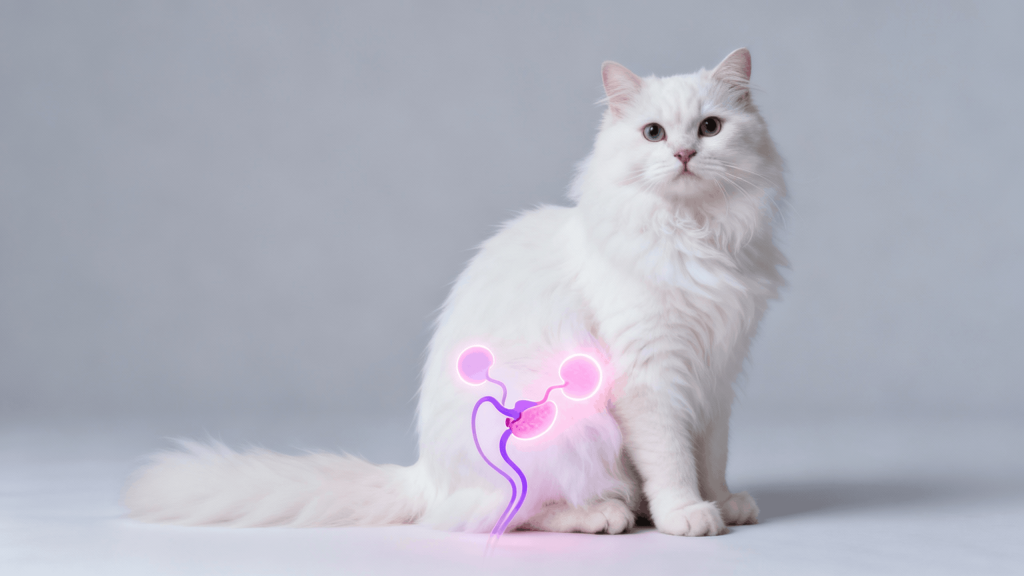
Feline Lower Urinary Tract Disease (FLUTD) is a broad term used to describe conditions affecting the bladder and urethra in cats. It is not a single disease, but a collection of disorders that share similar clinical signs.
Common FLUTD-related conditions include:
- Feline idiopathic cystitis (FIC): Inflammation with no identifiable infection
- Urinary crystals or stones: Mineral imbalances that affect urine composition
- Urethral obstruction: A serious condition more common in male cats
- Inflammation of the bladder lining: Often linked to stress and hydration
Quick Tip Box – Why FLUTD Deserves Attention:
- Cats often hide discomfort
- Symptoms may appear suddenly
- Recurrence is common without lifestyle support
- Early observation improves outcomes
Common Signs of Urinary Tract Discomfort
Cats with urinary tract issues may show subtle or noticeable changes:
- Frequent trips to the litter box
- Straining or vocalizing during urination
- Urinating outside the litter box
- Blood-tinged urine
- Excessive licking of the genital area
Quick Tip Box – When to Monitor Closely:
- Reduced urine output
- Lethargy or appetite changes
- Signs of pain or restlessness
- Any difficulty urinating (urgent attention needed)
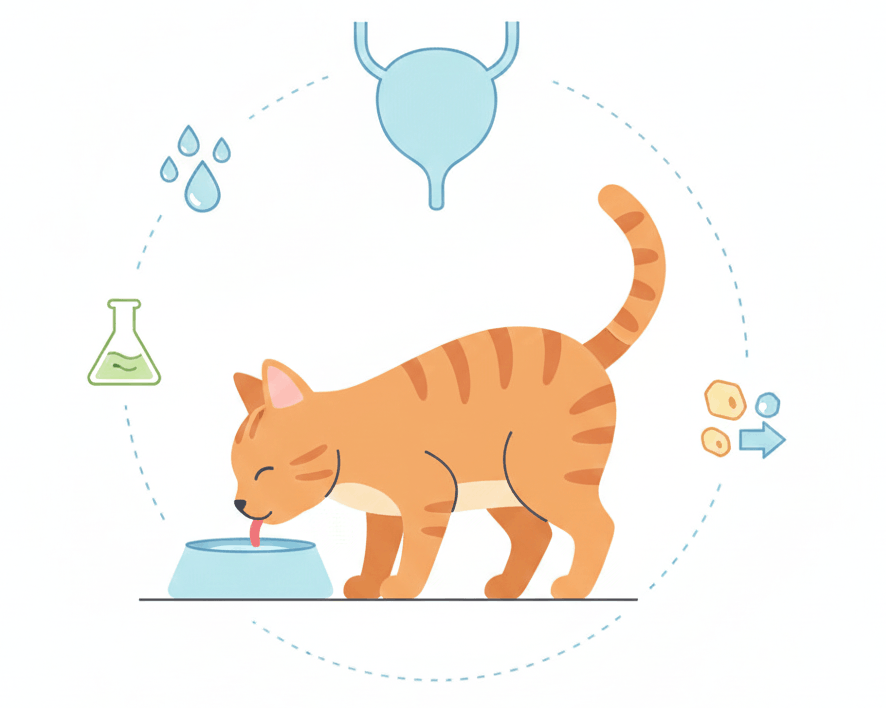
Hydration: A Cornerstone of Urinary Health
Adequate hydration supports healthy urine dilution and bladder function:
- Helps flush minerals through the urinary tract
- Reduces urine concentration
- Supports normal bladder lining function
Cats naturally have a low thirst drive, making hydration strategies especially important.
Quick Tip Box – Encouraging Healthy Hydration:
- Provide multiple water bowls in quiet areas
- Use wide, shallow bowls to avoid whisker stress
- Offer fresh water daily
- Consider moisture-rich feeding options when appropriate
Mineral Balance and Urine Chemistry
Urinary health is closely linked to the balance of minerals in the diet and urine:
- Magnesium, phosphorus, and calcium: Influence crystal formation
- Urine pH: Affects how minerals dissolve or crystallize
- Diet consistency: Helps maintain stable urine chemistry
Balanced nutrition supports normal mineral metabolism and urinary tract comfort.

Quick Tip Box – Supporting Mineral Balance:
- Avoid frequent, unnecessary diet changes
- Feed nutritionally complete and balanced meals
- Measure portions to support healthy weight
- Store food properly to preserve nutrient quality
The Role of Stress in Feline Urinary Health
Stress is a major contributing factor, particularly in feline idiopathic cystitis:
- Stress hormones can affect bladder lining integrity
- Environmental changes may trigger flare-ups
- Multi-cat households may increase stress levels
Quick Tip Box – Reducing Stress for Cats:
- Maintain predictable routines
- Provide separate litter boxes, food, and water stations
- Offer vertical spaces and hiding areas
- Encourage daily play and enrichment
Daily Habits That Support Urinary Wellness
- Scoop litter boxes daily to encourage regular use
- Provide one litter box per cat, plus one extra
- Keep litter boxes clean, quiet, and accessible
- Observe litter box habits as a health indicator
- Support healthy body weight through activity
References
- Buffington, C. A. T., et al. (2014). Feline lower urinary tract disease. Journal of Feline Medicine and Surgery, 16(6), 441–447.
- Westropp, J. L., & Buffington, C. A. T. (2010). Feline idiopathic cystitis: Current understanding. Veterinary Clinics of North America: Small Animal Practice, 40(1), 1–21.
- Forrester, S. D., & Towell, T. L. (2015). Feline idiopathic cystitis. Veterinary Clinics of North America: Small Animal Practice, 45(4), 783–806.
- Sparkes, A. H., et al. (2016). ISFM guidelines on feline lower urinary tract disease. Journal of Feline Medicine and Surgery, 18(3), 219–239.
Conclusion
Feline urinary tract health is influenced by a complex interaction of hydration, mineral balance, stress, and daily routines. By encouraging regular water intake, maintaining consistent nutrition, reducing environmental stressors, and closely observing litter box habits, cat owners can provide meaningful daily support for urinary comfort. A calm, preventive, and science-informed approach helps promote long-term urinary wellbeing and quality of life for cats.

