
How Proper Nutrition Supports Your Dog’s Health at Every Life Stage
Written by MyCern Research & Editorial Team
Nutrition is one of the most influential factors in a dog’s lifelong health. From rapid growth in puppyhood to maintaining strength and vitality in senior years, the nutrients dogs consume shape metabolism, immunity, mobility, and overall wellbeing. Understanding how nutritional needs change across life stages helps pet owners make informed, science-based choices that support health at every age.
This article explores:
- How a dog’s nutritional needs evolve over time
- Key nutrients that support growth, maintenance, and aging
- The role of digestion and metabolism in health outcomes
- Why life-stage appropriate feeding matters
- Practical feeding tips for puppies, adults, and senior dogs
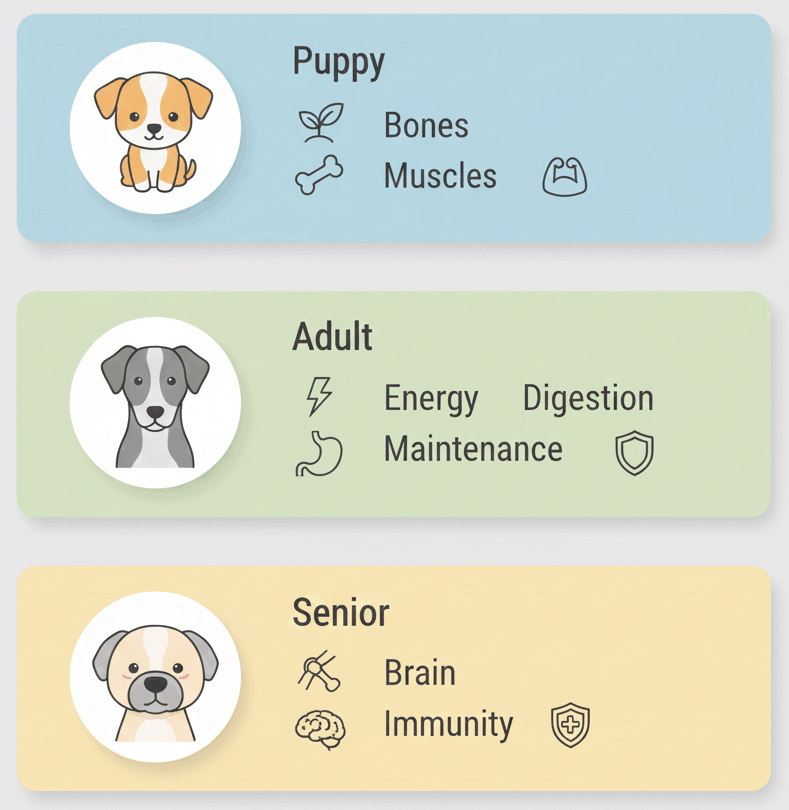
Puppy Nutrition: Building Strong Foundations
Puppyhood is a period of rapid growth and development, placing high demands on the body.
Key nutritional priorities during puppyhood:
- Adequate protein to support muscle and tissue development
- Balanced calcium and phosphorus for healthy bone growth
- Sufficient energy to fuel growth without promoting excess weight
Proper nutrient balance is especially important for large-breed puppies, where overly rapid growth can strain developing joints.
Quick Tips Box – Feeding Puppies Wisely:
- Choose diets formulated specifically for growth
- Follow feeding guidelines based on expected adult size
- Avoid excessive treats that disrupt nutrient balance
- Monitor body condition regularly rather than relying on appetite alone
Adult Dog Nutrition: Maintaining Balance and Vitality

Adult dogs benefit from nutrition that supports maintenance, activity, and metabolic stability.
Key nutritional roles during adulthood:
- Protein supports muscle maintenance and repair
- Fats provide concentrated energy and support skin and coat health
- Carbohydrates and fiber support digestion and gut health
Balanced adult nutrition helps maintain ideal body condition, supporting joint health, heart function, and immune resilience.
Quick Tips Box – Supporting Adult Health:
- Maintain consistent feeding routines
- Adjust portions based on activity level
- Monitor weight and body condition score
- Avoid frequent diet changes without clear reason
Senior Dog Nutrition: Supporting Aging Systems

As dogs age, physiological changes affect digestion, metabolism, and nutrient utilization.
Common nutritional considerations for senior dogs:
- Reduced calorie needs due to lower activity levels
- Continued need for high-quality, easily digestible protein
- Nutrients that support joint comfort, cognitive function, and immune balance
Senior nutrition focuses on maintaining function rather than fueling growth.
Quick Tips Box – Feeding Aging Dogs:
- Monitor appetite and weight changes closely
- Support hydration to aid digestion and circulation
- Choose diets with appropriate fiber levels
- Adjust feeding frequency if digestion becomes sensitive
Digestion, Metabolism, and Nutrient Absorption
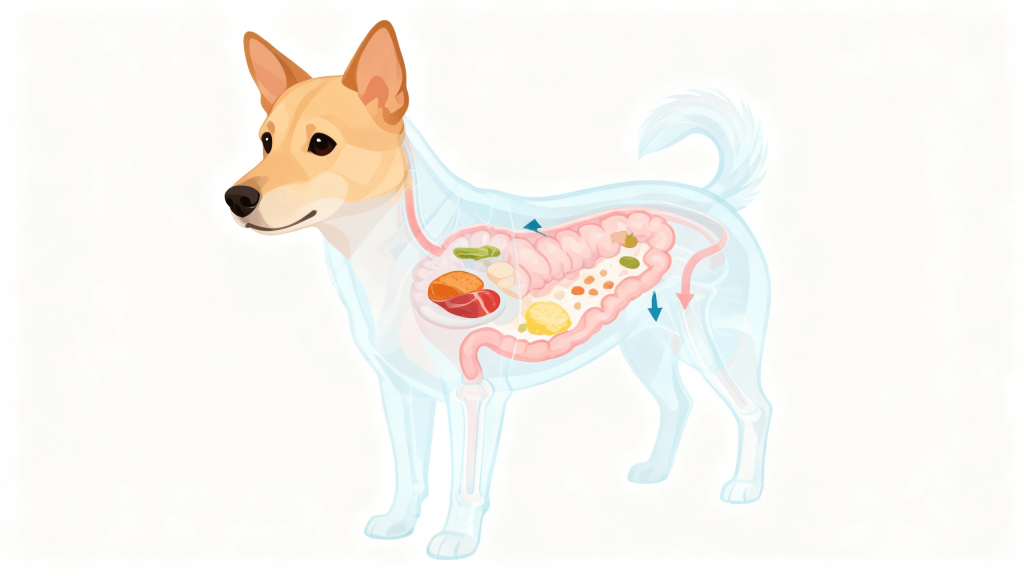
Nutrition supports health only when nutrients are effectively digested and absorbed.
Factors influencing nutrient utilization include:
- Digestive enzyme activity
- Gut microbiome balance
- Feeding consistency and meal size
Disruptions in digestion can affect energy levels, coat quality, and immune function.
Quick Tips Box – Supporting Digestive Efficiency:
- Introduce dietary changes gradually
- Feed at regular times each day
- Avoid excessive table scraps
- Observe stool quality as a sign of digestive health
Nutrition as Part of a Whole-Body Wellness Approach
Nutrition works best when paired with supportive daily habits:
- Regular physical activity appropriate for age and size
- Adequate sleep and low-stress routines
- Preventive health monitoring
Together, these factors help dogs adapt to changing nutritional needs throughout life.

References
- National Research Council. (2006). Nutrient Requirements of Dogs and Cats. National Academies Press.
- Case, L. P., et al. (2011). Canine and Feline Nutrition: A Resource for Companion Animal Professionals. Elsevier.
- Hand, M. S., et al. (2010). Small Animal Clinical Nutrition. Mark Morris Institute.
- Swanson, K. S., et al. (2013). Nutrition and metabolism in companion animals. Journal of Animal Science, 91(5), 2449–2461.
Conclusion
Proper nutrition provides the foundation for a dog’s health at every life stage. By understanding how nutritional needs shift from puppyhood through senior years, pet owners can support growth, maintain vitality, and promote healthy aging. A consistent, science-informed feeding approach, combined with attentive daily care helps dogs thrive throughout their lives.