Whisker Fatigue Explained: How Feeding Design Affects Cat Comfort
Written by MyCern Research & Editorial Team
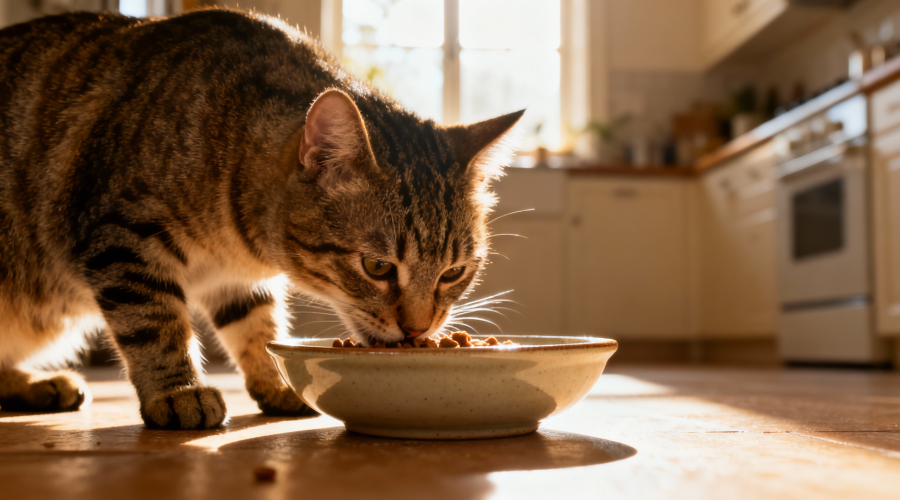
If you’ve ever watched your cat push away from a bowl after just a few bites, you might have wondered why. Cats have highly sensitive whiskers, or vibrissae, that help them navigate their environment. When whiskers repeatedly touch the sides of deep or narrow bowls during feeding, it can cause whisker fatigue, a subtle sensory overload that affects comfort, appetite, and even stress levels.
Recognizing whisker fatigue and adjusting feeding setups accordingly can improve your cat’s mealtime experience and overall wellbeing.
This article explores:
- How feline whiskers function as sensory tools
- What whisker fatigue is and why it happens
- Signs that a cat may be experiencing discomfort
- Feeding strategies and dish designs that reduce stress
- Practical ways to create a comfortable, enriching mealtime environment
The Role of Whiskers in Feline Sensory Perception
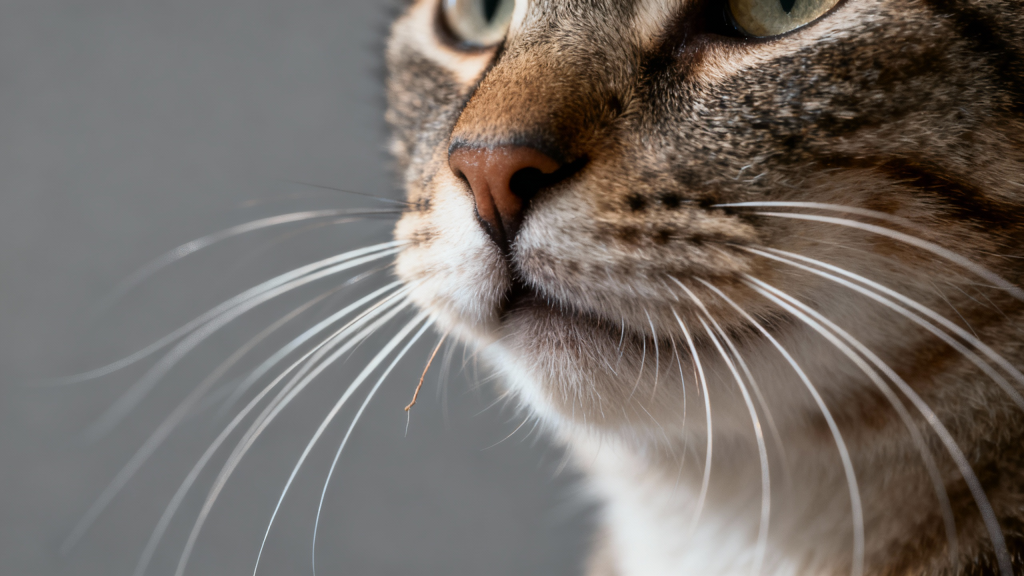
Cats have approximately 24 specialized whiskers on their face, plus additional ones above their eyes and on their legs. These tactile sensors provide:
- Spatial awareness: Detecting nearby objects and narrow spaces
- Environmental navigation: Sensing gaps, textures, and movement
- Prey detection: Coordinating precise hunting behaviors
- Mood and stress cues: Positioning indicates alertness or tension
Whiskers are deeply embedded in nerves, making them highly sensitive. Even slight stimulation can trigger strong sensory feedback.
What is Whisker Fatigue?
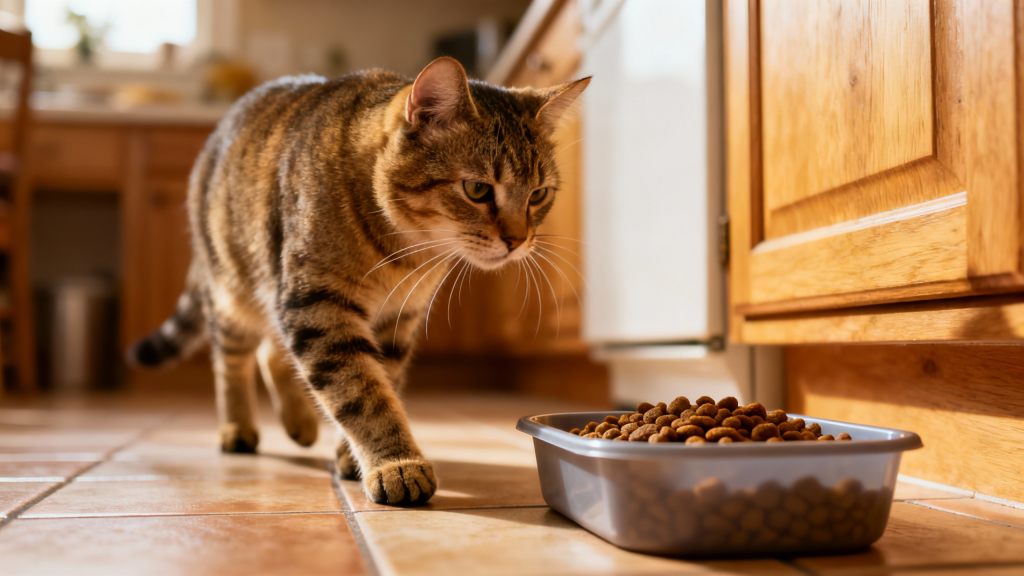
Whisker fatigue occurs when the delicate whisker sensors are overstimulated, often during routine activities like eating or drinking. Causes include:
- Narrow or deep food bowls that repeatedly contact whiskers
- Frequent touching of surrounding surfaces during play or exploration
- Stressful feeding environments (crowded or noisy areas)
Symptoms are subtle and may be mistaken for picky eating or behavioral quirks.
Quick Tip Box – Common Signs of Whisker Fatigue:
- Hesitation or avoidance of certain bowls
- Eating with face pressed flat against the food to avoid whisker contact
- Pawing at food rather than eating directly
- Switching frequently between dishes or locations
- Irritability around mealtime
How Bowl Design Impacts Comfort
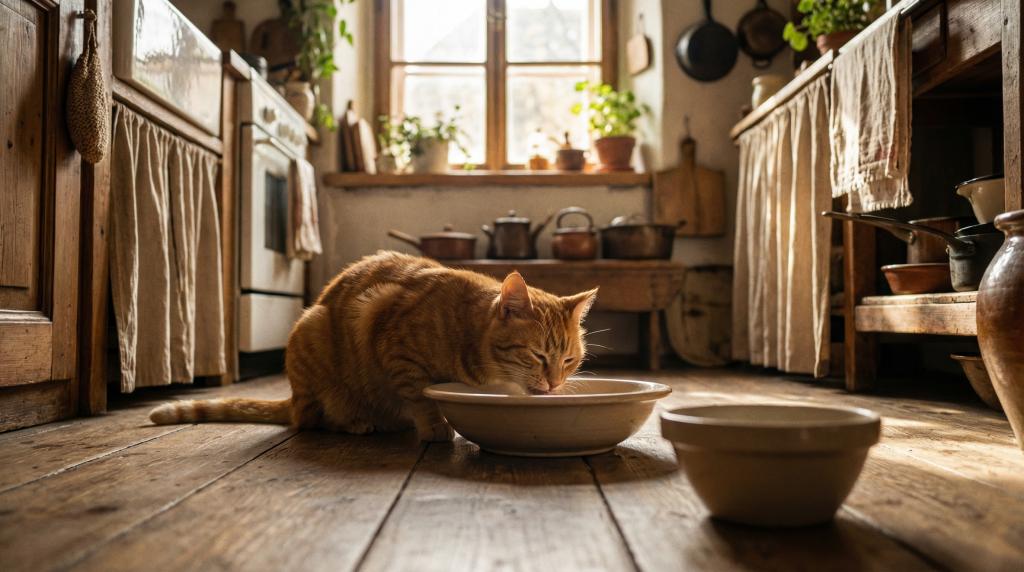
Feeding design can significantly reduce whisker stress:
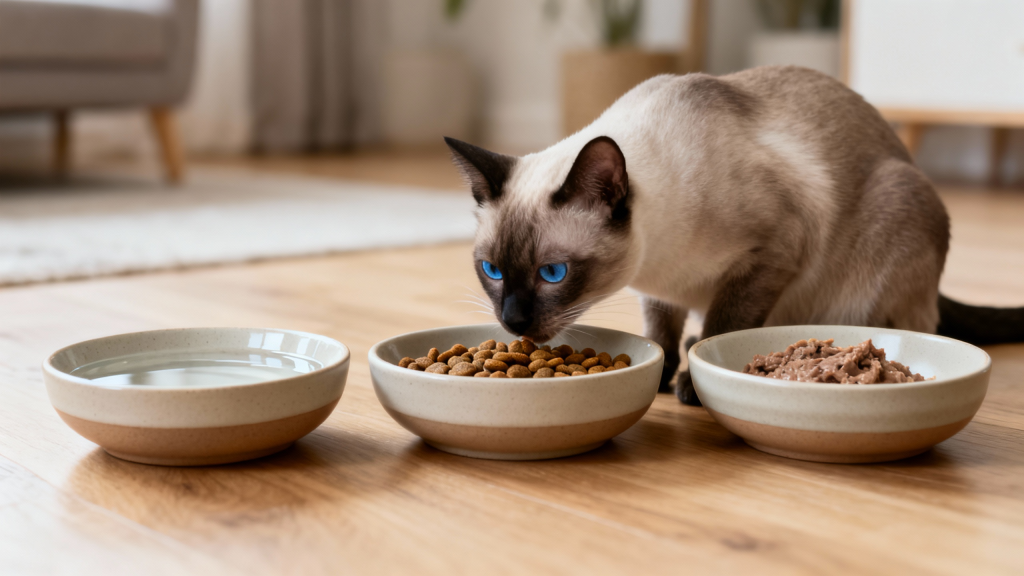
- Wide, shallow bowls: Prevent whiskers from touching sides
- Low-sided dishes or plates: Provide unrestricted facial movement
- Ceramic, glass, or stainless steel materials: Avoid static buildup present in some plastics
- Separate water and food dishes: Prevent whiskers from repeated contact with different textures at once
Quick Tip Box – Optimizing Mealtime Setup:
- Place bowls in quiet, low-traffic areas
- Ensure consistent access to fresh water
- Avoid overcrowding dishes in small spaces
- Consider multiple feeding stations if you have several cats
Behavioral and Wellness Impacts
Whisker fatigue can indirectly influence a cat’s physical and emotional wellbeing:
- Reduced food intake may lead to slower growth or nutrient gaps
- Mild stress can increase cortisol levels, affecting digestion and immunity
- Persistent discomfort may contribute to behavioral changes, such as hiding or irritability
By respecting sensory sensitivity, owners can encourage regular eating, reduce stress, and improve quality of life.
Supporting Cats Beyond Bowl Design
While bowl design is central, other supportive habits enhance mealtime wellness:
- Consistent feeding schedule: Predictable routines reduce stress
- Portion control: Prevents overeating while allowing exploration at a comfortable pace
- Positive environment: Quiet, calm spaces with minimal distractions
- Mental enrichment: Puzzle feeders or slow feeders can be used if whisker-safe
- Observation: Monitor eating habits for changes that may indicate discomfort or health issues
When to Seek Veterinary Advice
Consult a veterinarian if you notice persistent:
- Reduced appetite or food avoidance
- Weight loss or nutritional deficiencies
- Behavioral changes beyond mealtime
- Digestive upset or vomiting
Early attention ensures comfort issues aren’t compounded by medical concerns.

References
- Bradshaw, J. W. S., et al. (2012). The behavior of domestic cats: Influences of sensory stimulation. Journal of Feline Medicine and Surgery, 14(7), 493–502.
- Rochlitz, I. (2005). Housing and welfare of domestic cats: Influence of environmental factors. Applied Animal Behaviour Science, 93(1–2), 97–109.
- Ellis, S. L. H., & Wells, D. L. (2010). Environmental enrichment and welfare in domestic cats. Applied Animal Behaviour Science, 123(1–2), 1–15.
- Stella, J. L., et al. (2013). Effects of stressors on the behavior and physiology of cats. Journal of the American Veterinary Medical Association, 243(12), 1726–1735.
Conclusion
Whisker fatigue is a subtle but important factor in feline wellness. By choosing wide, shallow bowls, providing calm feeding environments, and respecting cats’ sensory needs, owners can improve comfort, reduce stress, and encourage consistent nutrition. Small adjustments in feeding design can make mealtime an enjoyable and stress-free part of your cat’s daily routine.