Do Cats Really Need Daily Multivitamins? When Diet Alone Isn’t Enough
Written by MyCern Research & Editorial Team
Many cat owners assume that a complete commercial diet provides everything their cat needs. In many cases, that’s true but not always. A cat’s nutritional needs are influenced by age, health status, absorption efficiency, lifestyle, and even subtle metabolic changes that aren’t immediately visible.
The real question isn’t “Should all cats take multivitamins?” but rather “How do you know when diet alone may no longer be sufficient?” Understanding this distinction helps owners avoid unnecessary supplementation while recognizing situations where targeted nutritional support becomes meaningful.
This article explores how to make informed decisions about multivitamin use in cats.
Why “Complete and Balanced” Doesn’t Mean Identical for Every Cat
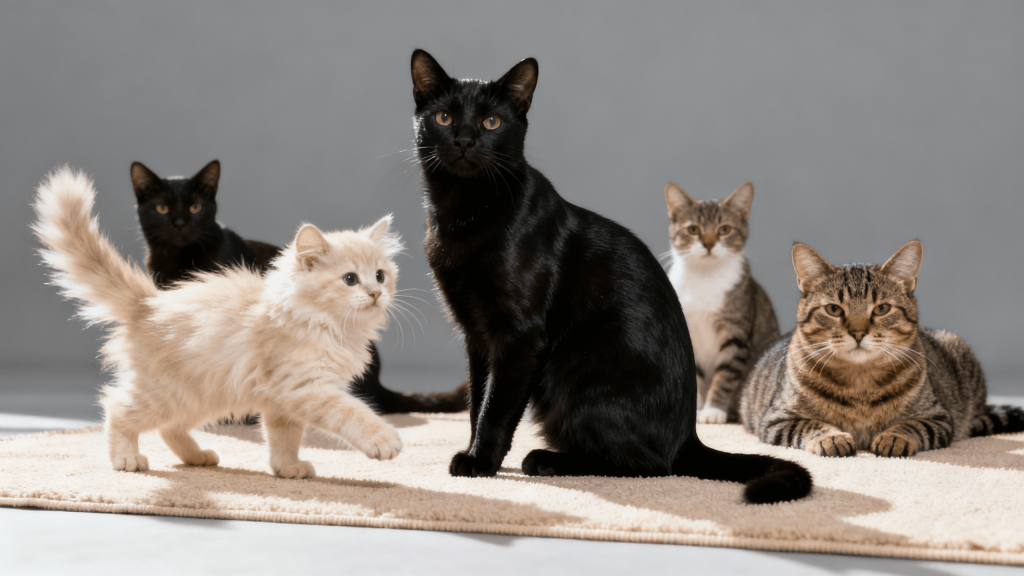
Commercial cat foods are formulated to meet established nutrient requirements for the average healthy cat. However, these standards assume:
- Normal digestion and absorption
- Stable metabolism
- No increased physiological demands
In reality, cats vary widely in how efficiently they utilize nutrients. Factors such as aging, chronic low-grade inflammation, stress, dental disease, or gastrointestinal sensitivity can quietly reduce nutrient uptake—without changing food intake.
Over time, this gap between intake and utilization is where nutritional insufficiencies can begin.
When Diet Alone Is Usually Enough
For many cats, additional supplementation is unnecessary.
Diet alone may be sufficient when a cat:
- Is a healthy adult with no chronic conditions
- Maintains stable weight, coat quality, and energy
- Eats a high-quality, complete diet consistently
- Has no history of digestive issues or prolonged medication use
In these cases, adding a multivitamin does not necessarily improve health and may introduce excesses rather than benefits.
Situations Where Nutritional Gaps Are More Likely
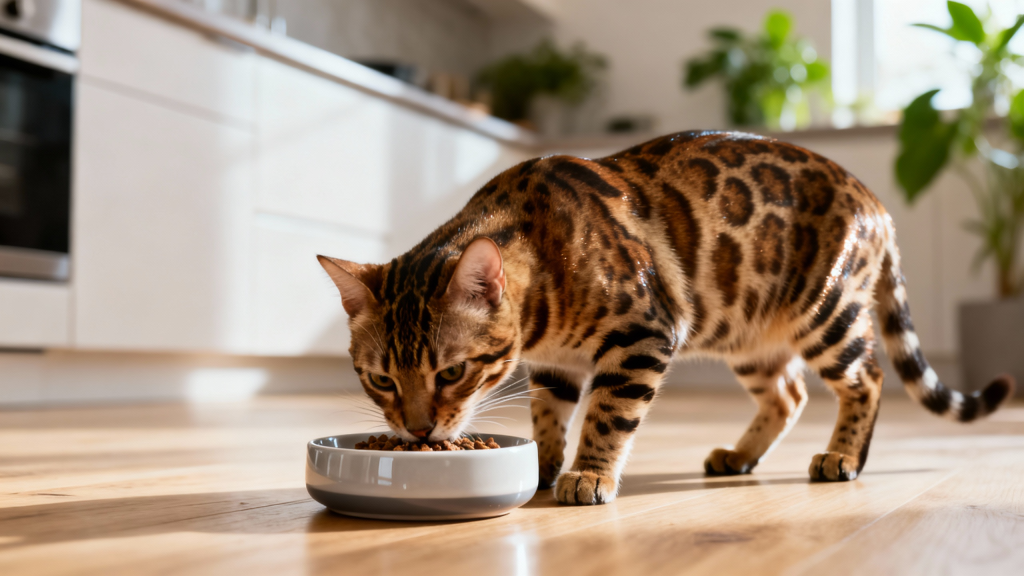
Certain life stages and conditions increase the likelihood that diet alone may fall short not because the food is inadequate, but because the cat’s needs or absorption have changed.
Aging Cats
As cats age, several changes occur:
- Reduced digestive efficiency
- Altered protein and micronutrient metabolism
- Increased oxidative stress
Senior cats may require greater nutritional support even while eating the same amount of food. Subtle deficiencies can manifest as coat dullness, reduced activity, or slower recovery from stress.
Cats with Digestive Sensitivity
Chronic vomiting, soft stools, or hairball-related GI irritation can interfere with nutrient absorption. Even mild, recurring digestive disruption can reduce availability of:
- B vitamins
- Fat-soluble vitamins
- Trace minerals
In these cases, nutrient intake may appear adequate on paper, while utilization is compromised.
Restricted or Selective Diets
Cats fed:
- Single-protein diets
- Limited-ingredient formulas
- Therapeutic or elimination diets
may inadvertently miss certain micronutrients over time, especially if the diet is used long-term beyond its original purpose.
Appetite Changes as a Nutritional Signal
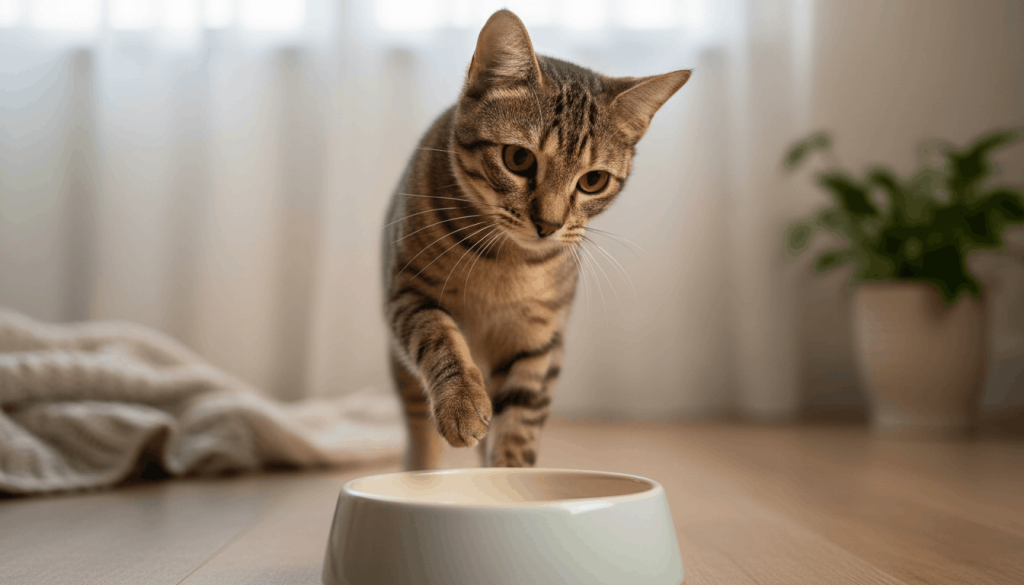
Cats are masters at maintaining routine even when something isn’t right. A subtle decrease in appetite, selective eating, or inconsistent food intake can reduce total nutrient exposure without dramatic weight loss.
In these scenarios:
- Daily intake may no longer meet baseline micronutrient needs
- Nutrient reserves may slowly decline
- Signs may appear only after months, not weeks
A multivitamin is sometimes considered not as a replacement for food, but as nutritional insurance during periods of inconsistency.
Why “More” Isn’t Better
One of the most common misconceptions is that multivitamins are always harmless. Cats are particularly sensitive to nutrient imbalances.
Potential risks of unnecessary supplementation include:
- Excess vitamin A, which can affect bone health
- Imbalanced calcium-to-phosphorus ratios
- Oversupply of certain trace minerals
This is why decision-making not routine use, is critical. Supplementation should support gaps, not override regulation.
What Makes a Multivitamin Appropriate for Cats
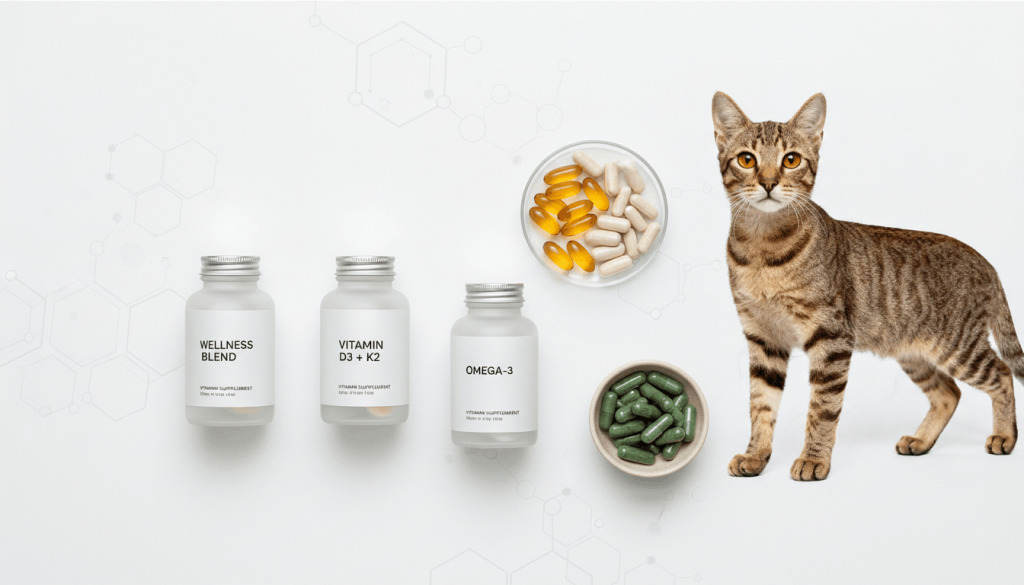
When supplementation is warranted, formulation matters.
Key considerations include:
- Species-specific dosing (cats are not small dogs)
- Avoidance of megadoses
- Inclusion of bioavailable forms of vitamins and minerals
- Clean formulations without unnecessary fillers
A well-designed multivitamin supports physiological balance rather than forcing excess intake.
Signs That Nutritional Support May Be Worth Discussing
While only a veterinarian can diagnose deficiencies, certain patterns may prompt a conversation about nutritional support:
- Persistent coat dryness or excessive shedding
- Reduced resilience to stress
- Slower recovery from illness
- Subtle lethargy without clear cause
These signs are often nonspecific, which is why they’re frequently overlooked—but nutrition plays a foundational role in each.
Making an Informed Decision
Instead of asking whether cats should take multivitamins, a better framework is:
- Has something changed in my cat’s health, age, or digestion?
- Is food intake consistent and well-tolerated?
- Are there subtle signs of reduced resilience or vitality?
Multivitamins are not a default requirement but in the right context, they can help bridge nutritional gaps created by real-world physiology.

Conclusion
Most cats do not need daily multivitamins simply because they exist. However, when age, digestion, stress, or dietary limitations alter how nutrients are absorbed or utilized, diet alone may no longer meet every need.
Thoughtful supplementation used selectively and appropriately, supports nutritional balance rather than replacing it. By understanding when diet may fall short, owners can make informed, responsible decisions that support long-term feline wellness without unnecessary excess.
References
- National Research Council. (2006). Nutrient Requirements of Dogs and Cats. National Academies Press.
- Zoran, D. L. (2002). The carnivore connection to nutrition in cats. Journal of the American Veterinary Medical Association, 221(11), 1559–1567.
- Fascetti, A. J., & Delaney, S. J. (2012). Applied Veterinary Clinical Nutrition. Wiley-Blackwell.
- Laflamme, D. P. (2012). Nutritional care for aging cats. Veterinary Clinics of North America: Small Animal Practice, 42(4), 769–791.