Why Strong Muscles Protect Your Dog’s Organs and Posture
Written by MyCern Research & Editorial Team
When people think about muscle health in dogs, they often associate it with athletic performance or visible strength. However, muscles play a far deeper role than powering movement. In dogs, well-developed and well-maintained muscle tissue functions as a biological support system, protecting internal organs, stabilizing the spine, maintaining balance, and preserving posture throughout life.
As dogs age or become less active, muscle loss can occur silently. This loss doesn’t just reduce strength, it alters biomechanics, shifts weight distribution, and increases stress on organs, joints, and connective tissues. Understanding how muscular integrity supports the entire body helps owners recognize why muscle health is essential for long-term resilience, not just mobility.
This article explores how strong muscles safeguard posture, internal organs, and balance in dogs.
Muscles as Structural Support Systems
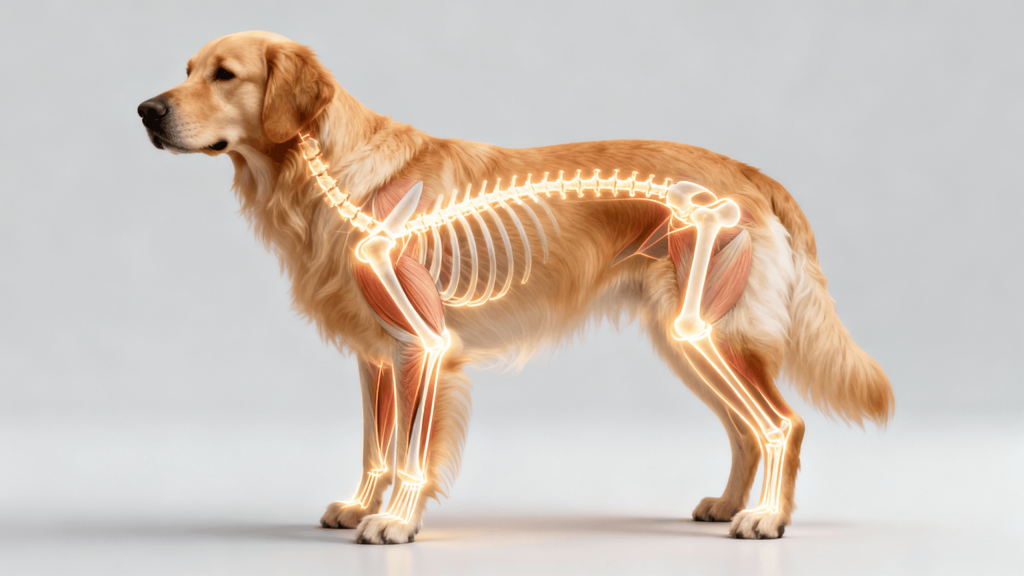
Muscles act as dynamic scaffolding for the skeletal system. Unlike bones, which are rigid, muscles provide adaptable support that adjusts to movement, terrain, and load.
Key structural roles of muscle include:
- Stabilizing the spine and rib cage
- Maintaining proper limb alignment
- Absorbing mechanical shock during movement
- Supporting organs suspended within the abdominal cavity
When muscle tone declines, these stabilizing forces weaken. The result is often subtle postural collapse, arched backs, tucked hindquarters, or widened stances, that places abnormal pressure on joints and internal tissues.
Core Muscles and Organ Protection
The core musculature, including abdominal muscles, spinal stabilizers, and pelvic muscles, plays a critical role in protecting vital organs.
Strong core muscles help:
- Support abdominal organs against gravity
- Maintain intra-abdominal pressure for breathing and digestion
- Stabilize the spine during movement and rest
- Reduce strain on ligaments and intervertebral discs
In dogs with weakened core muscles, organs may shift slightly within the abdominal cavity. While not immediately dangerous, this altered support can contribute to discomfort, reduced endurance, and inefficient movement patterns over time.
Research in veterinary biomechanics highlights the importance of trunk muscle engagement in maintaining spinal health and load distribution.
Posture, Balance, and Neuromuscular Control
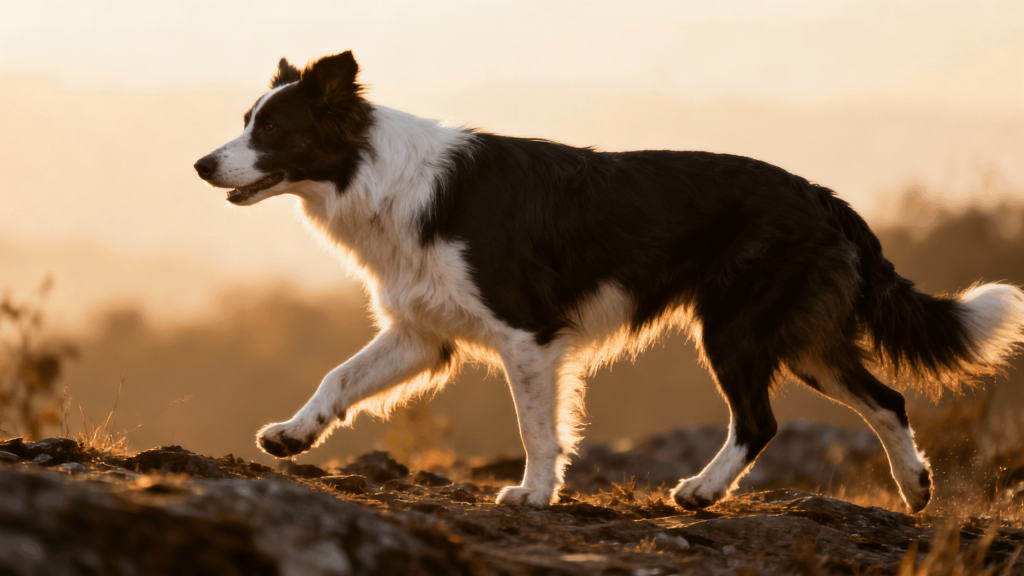
Posture is not a static position, it is an active process controlled by continuous muscle engagement and neurological feedback.
Healthy muscle tissue supports:
- Upright spinal alignment
- Even weight-bearing across all limbs
- Quick postural corrections during slips or uneven terrain
Dogs with reduced muscle strength often compensate by shifting weight forward or widening their stance, which increases strain on the forelimbs and neck. Over time, these compensations elevate the risk of soft tissue injuries and degenerative changes.
Muscle weakness also affects proprioception, the body’s ability to sense position and movement. Reduced proprioceptive feedback can impair balance and coordination, especially in senior dogs.
Muscle Loss and Internal Stress

Loss of muscle mass known as canine sarcopenia, can begin earlier than many owners expect, particularly in large breeds or dogs with reduced activity.
Consequences of muscle loss include:
- Increased load on joints and ligaments
- Reduced shock absorption during movement
- Altered breathing mechanics due to reduced thoracic support
- Increased fatigue and reduced stamina
Studies show that muscle tissue also plays a role in metabolic regulation and inflammatory control. Declining muscle mass is associated with increased systemic inflammation, which can indirectly affect organ health.
Why Large and Long-Backed Dogs Are Especially Vulnerable
Certain body types rely heavily on muscular support:
- Large breeds depend on muscle to manage body mass and momentum
- Long-backed breeds rely on strong core muscles to protect spinal alignment
- Deep-chested dogs require muscular support for thoracic stability
In these dogs, even modest muscle weakness can lead to exaggerated postural strain and internal stress.
Supporting Muscle Integrity Throughout Life
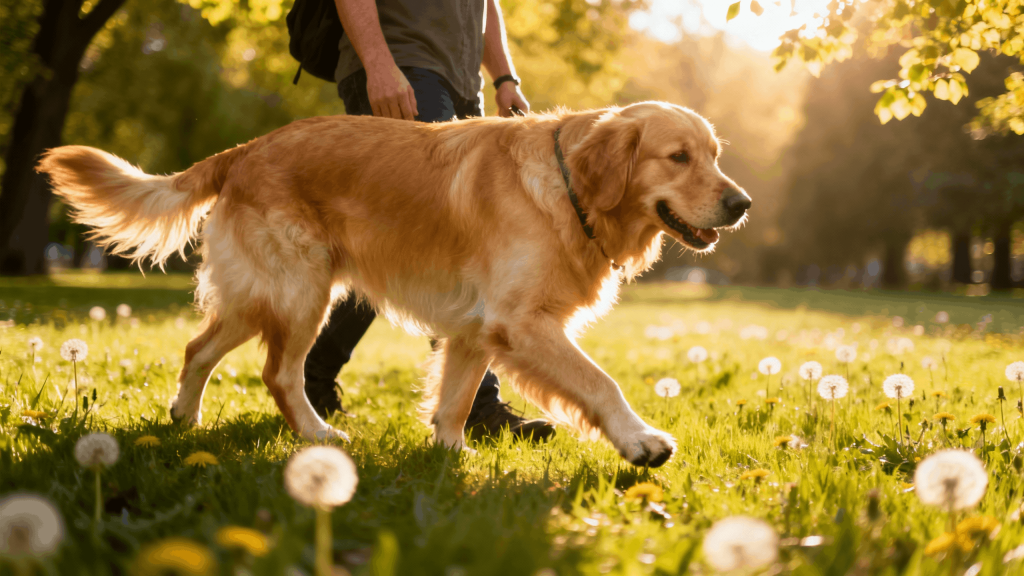
Maintaining muscle strength is not about intense exercise, it is about consistent, appropriate engagement.
Key principles include:
- Regular movement that activates stabilizing muscles
- Avoiding prolonged inactivity
- Supporting recovery after illness or surgery
- Monitoring posture changes as early indicators of muscle decline
Early attention to muscle health helps preserve balance, organ support, and overall physical confidence as dogs age.
When Muscle Changes Should Raise Concern
Muscle-related issues may appear as:
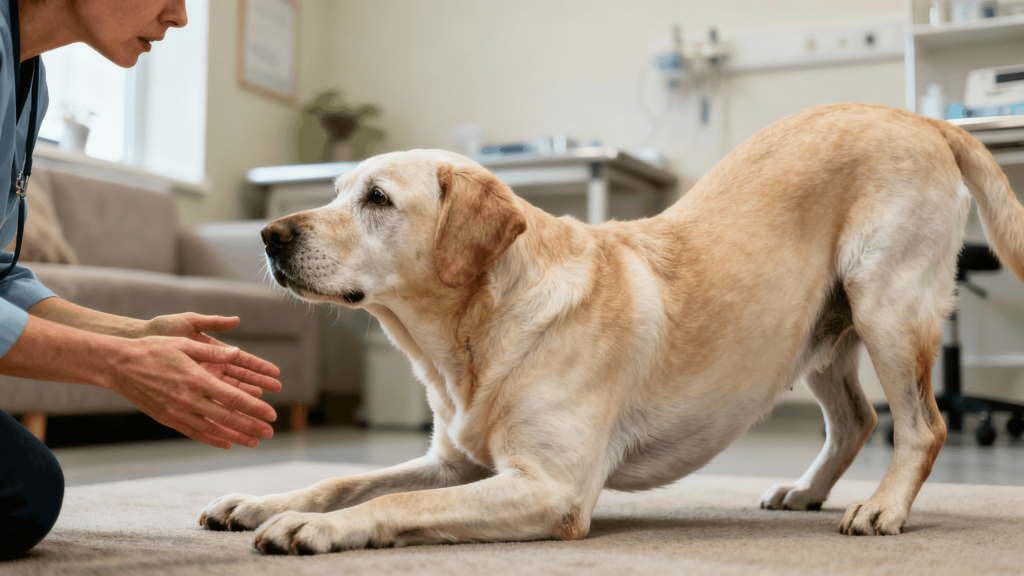
- Difficulty rising or maintaining posture
- Visible muscle asymmetry
- Shaking or fatigue after mild activity
- Postural collapse or hunched stance
These signs warrant evaluation, as muscle loss often precedes more obvious orthopedic or neurological problems.
Conclusion
Muscles are far more than engines of movement, they are guardians of posture, balance, and internal organ stability. Strong, functional muscle tissue allows dogs to move efficiently, protect vital structures, and adapt confidently to their environment.
By recognizing muscle health as a foundation of whole-body support rather than just physical strength, owners can better support their dog’s comfort, resilience, and long-term vitality.
References
- Millis, D. L., & Levine, D. (2014). Canine Rehabilitation and Physical Therapy. Elsevier Saunders.
- Evans, W. J., & Campbell, W. W. (1993). Sarcopenia and age-related changes in body composition and functional capacity. Journal of Nutrition, 123(2), 465–468.
- Zink, M. C., & Van Dyke, J. B. (2013). Canine Sports Medicine and Rehabilitation. Wiley-Blackwell.
- Waxman, A. S., Robinson, D. A., Evans, R. B., Hulse, D. A., Innes, J. F., & Conzemius, M. G. (2008). Relationship between objective and subjective assessment of limb function in normal dogs with an experimentally induced lameness. Veterinary Surgery, 37(3), 241-246.
- Henea, M. E., Șindilar, E. V., Burtan, L. C., Mihai, I., Grecu, M., Anton, A., & Solcan, G. (2023). Recovery of spinal walking in paraplegic dogs using physiotherapy and supportive devices to maintain the standing position. Animals, 13(8), 1398.