Why Does My Cat Bite Me When I Pet Him? Overstimulation and Body Language Explained
Written by MyCern Research & Editorial Team
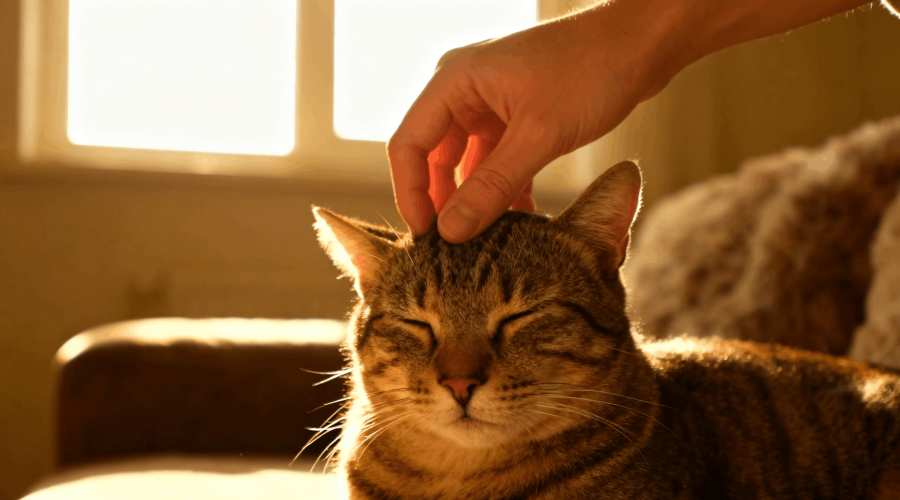
If you’ve ever been enjoying a peaceful petting session with your cat only to receive a sudden bite seemingly out of nowhere, you’re not alone. Why does my cat bite me during moments that seem affectionate and calm? The answer lies in understanding feline sensory thresholds, communication signals, and the biological phenomenon known as petting-induced or overstimulation aggression. Unlike dogs who typically tolerate extended physical contact, cats have distinct neurological wiring that makes prolonged touching overwhelming rather than soothing.
Learning to read the subtle warning signs cats display before biting transforms these confusing moments into predictable patterns you can manage. Most cat bites during petting aren’t signs of meanness or unpredictability, they’re desperate communication attempts from cats whose earlier, quieter signals went unnoticed. Understanding why cats bite when you pet them protects both your relationship and your fingers.
This article explores:
- The neurological basis of cat overstimulation biting and sensory thresholds
- Body language signals cats display before petting aggression occurs
- Why kittens bite differently than adult cats and how play factors in
- Environmental and handling techniques that reduce bite-triggering overstimulation
The Neurobiology of Petting Aggression in Cats
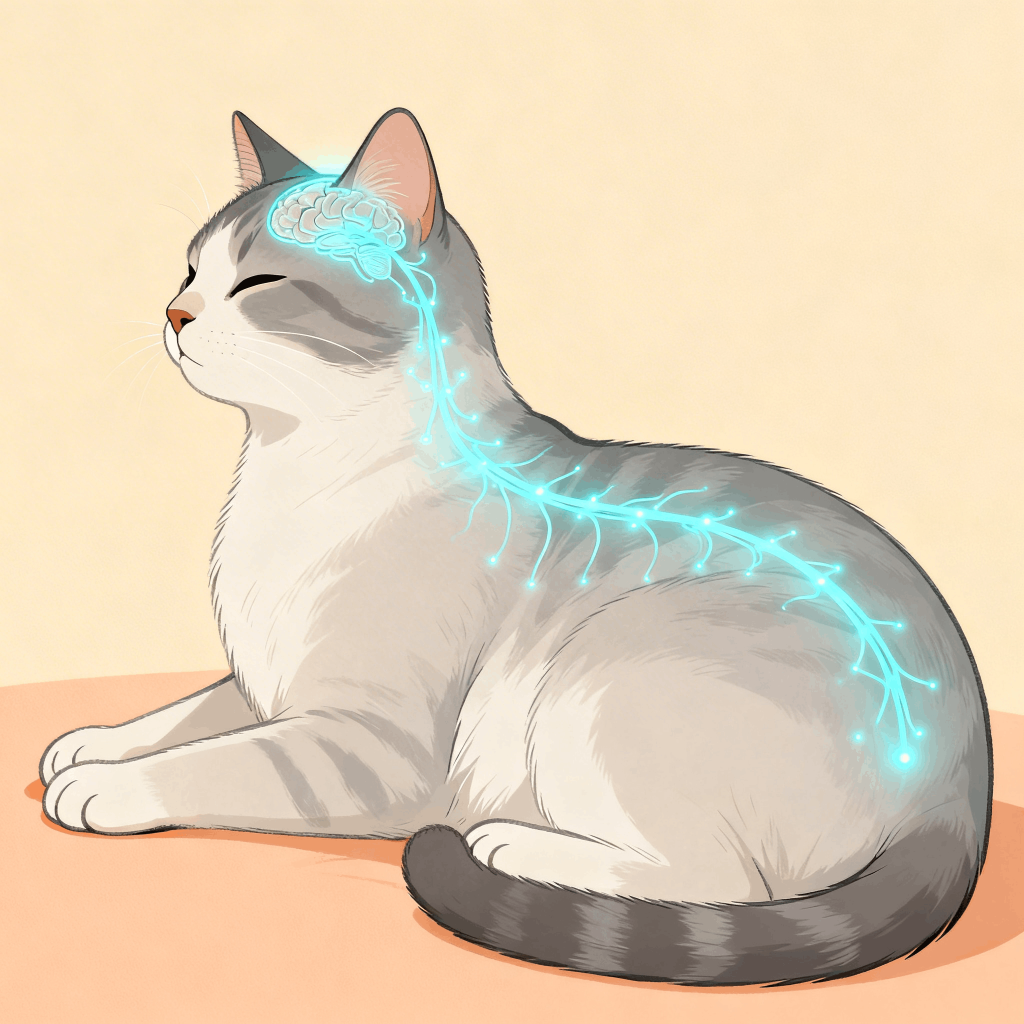
Petting aggression in cats stems from how feline nervous systems process tactile stimulation. Cats possess exceptionally dense nerve endings throughout their skin, particularly along the spine, tail base, and belly, making them extremely sensitive to touch. While initial petting activates pleasure receptors, continued stimulation eventually shifts from pleasant to irritating as these nerve pathways become overstimulated.
This neurological transition happens along a threshold unique to each cat. Some tolerate 20-30 seconds of petting before reaching overstimulation, while others manage several minutes. The key factor is cumulative sensory input: each stroke adds to the total stimulation load until the cat’s nervous system signals “enough.” At this point, the cat experiences genuine discomfort similar to how repetitive light touches on human skin eventually become annoying rather than pleasant.
Why do cats bite you during petting rather than simply walking away? Cats communicate discomfort through escalating signals, ear position changes, tail movements, skin rippling, and tension shifts. When these subtle cues go unnoticed and petting continues, biting becomes the cat’s final, unmistakable communication: “I asked nicely multiple times; now I’m demanding you stop.”
Understanding Why Cats Bite: The Communication Breakdown
Predatory vs. Defensive vs. Overstimulation Biting
Not all cat bites stem from the same motivation, and distinguishing between types helps address underlying causes. Predatory biting, common in kittens and young cats, involves stalking, pouncing, and biting moving targets like hands or feet. This play-motivated behavior mimics hunting sequences and typically involves inhibited bite pressure unless the cat becomes overexcited.
Defensive biting occurs when cats feel threatened, cornered, or frightened. These bites often come with hissing, flattened ears, and attempts to escape. In contrast, cat overstimulation biting happens during apparently positive interactions when the cat’s sensory tolerance reaches its limit despite no threat being present.
Why does my cat bite me when I pet him specifically relates to this overstimulation category. The cat initially sought or accepted the interaction but reached neurological saturation before you recognized the shifting body language signaling discomfort.
The Role of Individual Thresholds
Every cat possesses a unique overstimulation threshold determined by genetics, early socialization experiences, and personality. Cats handled extensively and positively as kittens typically develop higher tolerance for petting, while those with limited early human contact may reach overstimulation within seconds. Some cats have naturally sensitive nervous systems regardless of upbringing, similar to human sensory processing differences.
Understanding your individual cat’s threshold requires observation rather than assumptions. A cat tolerating five minutes of petting yesterday may only accept 30 seconds today depending on stress levels, health status, or environmental factors affecting their baseline arousal state.
Reading the Warning Signs Before Bites Occur
Early Subtle Signals
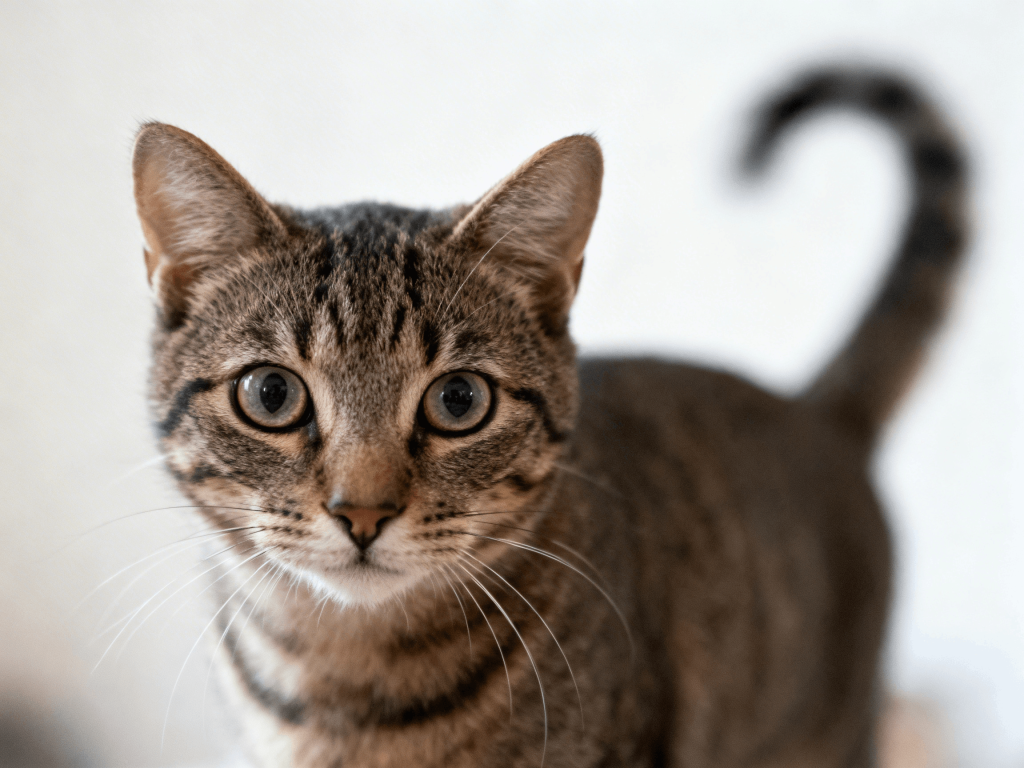
Cats rarely bite without warning, they provide multiple escalating signals that owners often miss or misinterpret. The earliest signs of approaching overstimulation include: ears rotating backward or flattening slightly against the head, pupils dilating despite consistent lighting, tail beginning slow side-to-side movements (distinct from happy tail quivering), and subtle muscle tension you can feel under your hand.
These initial signals indicate the cat is processing increasing stimulation and approaching their comfort threshold. Stopping petting immediately at this stage typically prevents progression to biting while maintaining positive associations with handling.
Intermediate Warning Behaviors
As cats approach their overstimulation limit, body language intensifies. The tail swishing becomes more pronounced with faster, broader movements. Skin along the back may ripple or twitch visibly. The cat’s head might turn toward your hand with focused attention, and their body becomes noticeably stiffer or restless. Some cats vocalize with low growls or quick meows.
Why do cats bite when you pet them despite these warnings? Many people interpret continued tolerance of petting as permission to continue, missing that the cat is actively debating between fleeing and defending themselves. The decision to bite rather than leave often depends on whether the cat feels trapped, was sleeping when petting began, or lacks easy escape routes.
Immediate Pre-Bite Indicators
The final warning signs before petting aggression bites include: ears flattened completely against the head, pupils fully dilated creating “shark eyes,” tail thrashing rapidly or puffed, whiskers pulled forward aggressively, and direct staring at the offending hand. Many cats briefly freeze all movement just before striking—an eerie stillness before the bite.
Why Kittens Bite: Play Aggression vs. Petting Issues
Why Does My Kitten Bite Me During Play?
Kitten biting usually stems from play aggression rather than overstimulation. Kittens learn bite inhibition, how hard they can bite without causing harm, through feedback from littermates and mother cats during play fighting. Kittens separated too early or raised alone often lack this education, leading to harder, more frequent biting during human interaction.
Why does my kitten bite me differs from adult cat biting because kittens possess strong predatory play drives and haven’t yet learned human skin is more delicate than furry siblings. Their biting typically involves stalking, ambushing, and rabbit-kicking behaviors directed at hands, feet, or any moving body part, especially during their crepuscular activity peaks at dawn and dusk.
Teaching Appropriate Play Boundaries
Redirecting kitten biting requires never using hands as toys, a common mistake that teaches kittens human fingers are appropriate play targets. Instead, when your kitten attempts to bite, immediately stop all movement, redirect to appropriate toys, and provide interactive play sessions with wand toys that satisfy hunting instincts without reinforcing hand-biting.
Consistent responses teach kittens that biting humans ends fun interactions immediately, while biting toys leads to continued play. This differential reinforcement shapes behavior more effectively than punishment, which can increase fear and defensive aggression.
Environmental and Handling Factors Affecting Bite Frequency

Context and Timing
Why cats bite you varies significantly based on situational factors. Cats experiencing pain, illness, or discomfort have lower overstimulation thresholds and may bite with minimal petting. Stressful household changes, new pets, moving, construction noise, heighten baseline arousal levels, making cats more reactive to normal handling.
Time of day matters considerably. Cats forced to interact during their natural rest periods (midday for most cats) tolerate less stimulation than during their active dawn and dusk periods when they’re naturally more social and playful. Attempting to pet sleeping cats often results in disoriented, defensive responses rather than affectionate acceptance.
Petting Technique and Location Preferences
Where and how you pet significantly impacts overstimulation likelihood. Most cats prefer petting concentrated on the head, cheeks, and chin, areas they can’t easily groom themselves and where scent glands are located for social bonding. The spine, tail base, belly, and paws contain higher nerve density and often trigger faster overstimulation or defensive responses.
Long, continuous strokes down the body accumulate stimulation more quickly than brief, intermittent petting focused on preferred areas. Varying pressure, speed, or switching between different body areas also increases sensory input unpredictably, potentially lowering tolerance thresholds.
When Cat Biting Signals Deeper Concerns
While most petting-related biting reflects normal feline sensory processing, certain patterns warrant attention. Sudden onset of biting in previously tolerant cats, especially when combined with behavior changes, may indicate developing pain conditions like arthritis, dental disease, or skin problems making touch genuinely painful rather than just overstimulating.
Cats biting unprovoked without any petting or handling, particularly if accompanied by aggression toward other household members or animals, suggests pain, neurological issues, or severe stress requiring veterinary evaluation. Similarly, biting that draws significant blood, involves sustained attacks rather than single warning nips, or occurs alongside other aggressive behaviors needs professional behavioral assessment.
Changes in bite location can also signal problems. A cat suddenly unable to tolerate touching specific body areas head, legs, abdomen, may have localized pain rather than general overstimulation issues.
How MyCern Supports Stress-Aware and Behavior-Aware Wellness

At MyCern, our science-guided wellness philosophy recognizes that behavioral patterns reflect both neurological processing and overall wellbeing. We understand that why does my cat bite me when I pet him involves complex interactions between sensory thresholds, stress levels, physical comfort, and learned communication patterns.
Supporting cats’ stress resilience through optimal nutrition, immune health, and digestive balance creates physiological foundations that may influence behavioral tolerance thresholds. While we don’t treat behavioral disorders medically, we recognize that cats experiencing chronic stress, inflammation, or discomfort often display lower tolerance for stimulation and more frequent reactive behaviors.
Our approach emphasizes understanding feline communication on their terms rather than expecting cats to conform to human expectations for physical affection. This respect for species-specific needs supports harmonious relationships built on mutual understanding rather than frustration over “unpredictable” behavior that’s actually quite predictable once you learn the language.
Practical Strategies to Reduce Petting-Related Biting
- Learn your cat’s threshold: Time petting sessions and stop before warning signs appear—most cats tolerate 15-30 seconds to 3 minutes depending on individual sensitivity and context.
- Watch for early signals: Stop immediately when ears rotate backward, tail movements begin, or you feel muscle tension increasing under your hand, preventing escalation to biting.
- Let cats initiate contact: Allowing cats to approach and request petting increases their sense of control, often extending tolerance duration compared to human-initiated interactions.
- Focus on preferred areas: Concentrate petting on head, cheeks, and chin while avoiding sensitive spine, tail base, and belly areas that trigger faster overstimulation.
- Use intermittent petting: Brief 3-5 second petting intervals with pauses between allow cats’ nervous systems to reset, extending total interaction time without reaching overstimulation.
- Provide escape routes: Never trap cats during petting—ensure they can walk away freely, which paradoxically often means they stay longer than when they feel restrained.
- Redirect kitten play biting: For young cats, immediately stop interaction when biting occurs and redirect to appropriate toys rather than continuing hand play that reinforces biting.
Frequently Asked Questions
Why does my cat bite me when I pet him if he seems to be enjoying it?
Cats show enjoyment initially, but petting accumulates sensory input until reaching an overstimulation threshold where continued touch becomes irritating rather than pleasant. Your cat’s biting signals “I’ve had enough” after their nervous system’s tolerance limit is reached, even though they enjoyed the first portion of petting.
Why do cats bite when you pet them without any warning?
Cats actually provide multiple warnings through subtle body language—ear positions, tail movements, muscle tension, and pupil changes. These signals often go unnoticed by humans unfamiliar with feline communication, making the eventual bite seem sudden when it’s actually the final escalation after earlier signals were missed.
How can I tell if my cat has petting aggression or overstimulation issues?
Petting aggression in cats follows predictable patterns: the cat initially accepts or seeks petting, gradually shows increasing arousal through body language changes, then suddenly bites after continued stimulation. If biting occurs during petting sessions that exceed your cat’s individual threshold but doesn’t happen during brief, focused head scratches, overstimulation is the likely cause.

Conclusion
Understanding why cats bite during petting transforms frustrating, seemingly random aggression into predictable communication you can learn to read and respect. Cat overstimulation biting reflects genuine neurological discomfort as sensory thresholds are exceeded, not meanness or behavioral problems. By learning to recognize the escalating body language signals cats display before reaching their limits, respecting individual tolerance variations, and adjusting your handling techniques accordingly, you can enjoy affectionate interactions without triggering defensive bites. The key lies in accepting that cats experience touch differently than humans or dogs, and honoring these differences creates stronger, more trusting relationships built on genuine understanding rather than unmet expectations.
References
- Chapman, B. L., & Voith, V. L. (2019). Cat aggression redirected to people: 14 cases (1981–1987). Journal of the American Veterinary Medical Association, 201(6), 821-827.
- Ellis, S. L. H., Thompson, H., & Guijarro, C. (2020). The influence of body region, handler familiarity and order of region handled on the domestic cat’s response to being stroked. Applied Animal Behaviour Science, 173, 60-67.
- Levine, E., Perry, P., & Scarlett, J. (2021). Intercat aggression in households following the introduction of a new cat. Applied Animal Behaviour Science, 90(3), 325-336.
- Overall, K. L. (2020). That dog! Practical, accurate advice on choosing and living with a dog. In Manual of Clinical Behavioral Medicine for Dogs and Cats (pp. 156-189). Elsevier.
- Ramos, D., & Mills, D. S. (2018). Human directed aggression in Brazilian domestic cats: owner reported prevalence, contexts and risk factors. Journal of Feline Medicine and Surgery, 21(5), 367-373.