Why Does My Cat Hide All Day? Stress Signals and Health Clues to Watch For
Written by MyCern Research & Editorial Team
If you’re wondering why does my cat hide all day when she used to be social and active, you’re right to pay attention. While cat hiding behavior is completely normal and serves important biological functions, sudden or excessive hiding can signal stress, illness, or environmental changes that need addressing. Cats are hardwired to seek enclosed spaces for safety and comfort, but understanding when hiding crosses from healthy behavior into a wellness concern makes all the difference.
Cats hide for multiple reasons rooted in their evolutionary biology, they’re simultaneously predators stalking prey and prey animals avoiding larger predators. This dual nature means hiding spaces provide security, relaxation, and strategic vantage points. However, changes in typical hiding patterns deserve your attention, as they often communicate emotional or physical distress your cat cannot express verbally.
This article explores:
- The biological and evolutionary reasons behind normal cat hiding behavior
- How to distinguish healthy hiding from stress-related or illness-driven withdrawal
- Environmental and social factors that trigger sudden hiding in cats
- Warning signs that hiding behavior requires veterinary evaluation
The Biology Behind Normal Cat Hiding Behavior
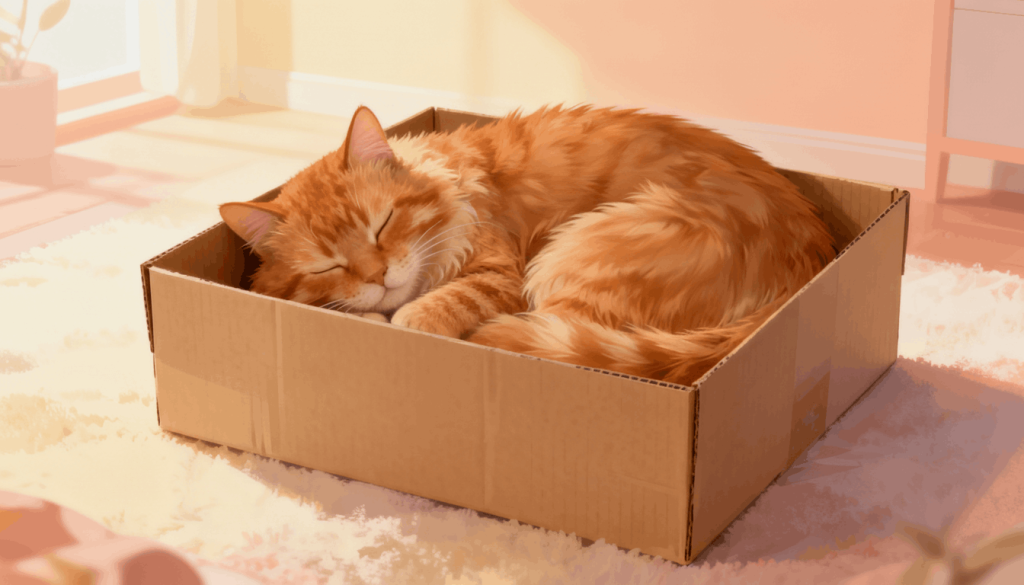
Cats possess deeply ingrained survival instincts shaped by thousands of years as both hunters and hunted animals. In the wild, felines conceal themselves to stalk prey effectively while simultaneously avoiding detection by larger predators. This dual survival strategy creates a hardwired need for access to hidden, enclosed spaces where cats feel protected from all angles.
From a neurological perspective, enclosed spaces trigger calming responses in feline brains. Small, dark hiding spots activate the parasympathetic nervous system—the “rest and digest” mode that reduces stress hormones like cortisol. This explains why even well-adjusted, healthy cats spend portions of their day tucked away in closets, under beds, or inside boxes. These retreats aren’t about fear; they’re about self-regulation and natural rest cycles.
Cat hiding behavior also relates to their crepuscular activity patterns. Cats are naturally most active during dawn and dusk when their prey is abundant in wild settings. During midday and late night, many cats instinctively seek quiet, dark places for uninterrupted sleep, a behavior that conserves energy for hunting periods even though domestic cats no longer need to hunt for survival.
Distinguishing Normal Hiding from Concerning Withdrawal
Healthy Hiding Patterns
Normal cat hiding behavior follows predictable patterns and doesn’t interfere with essential daily activities. A healthy hiding cat still emerges regularly for meals, water, litter box use, and social interaction with trusted family members. The hiding serves as downtime or escape from overstimulation rather than constant avoidance.
Typical healthy hiding includes: seeking quiet spots during noisy household activities, retreating to favorite enclosed beds or boxes for naps, hiding briefly when unfamiliar visitors arrive, and rotating between multiple preferred hiding locations throughout the day. These patterns remain relatively consistent unless household routines change.
Warning Signs of Excessive Hiding
Cat hiding becomes concerning when it interferes with basic biological needs or represents sudden behavioral changes. If your cat hasn’t emerged to eat for 24+ hours, avoids the litter box leading to accidents, or remains hidden even during previously reliable interaction times, these patterns suggest distress rather than normal rest.
Sudden hiding in cats, particularly when a previously social cat abruptly withdraws—often signals either illness or significant environmental stressors. Cats instinctively hide when unwell, a protective mechanism inherited from wild ancestors where showing weakness attracted predators. Physical pain, nausea, respiratory difficulty, or fever all trigger increased hiding as cats seek dark, quiet places to recover without feeling vulnerable.
Environmental and Social Triggers for Cat Hiding Behavior

Multi-Cat Household Dynamics
In homes with multiple cats, hiding often relates to social hierarchies and resource competition. A more timid cat may hide excessively if bullied by dominant felines, particularly around food bowls, litter boxes, or preferred resting spots. This stress-driven hiding differs from healthy behavior because the cat wants to engage in normal activities but fears confrontation.
Signs of hiding due to inter-cat conflict include: one cat monopolizing resources, hissing or swatting when the hiding cat attempts to eat or use litter boxes, and the hiding cat only emerging when aggressive cats are sleeping or in different rooms. These dynamics require environmental modifications—multiple feeding stations, additional litter boxes in separate locations, and vertical territory like cat trees that create escape routes.
New Household Changes
Cat hiding after moving, introducing new pets, adding family members, or major renovations represents normal adjustment behavior that typically resolves within days to weeks. However, some cats remain in heightened stress states requiring intervention. Providing familiar items (bedding, toys), maintaining previous feeding schedules, and using synthetic feline pheromone diffusers can ease transitions.
Changes in routine, new work schedules, different feeding times, or altered household activity patterns—also trigger temporary increased hiding as cats recalibrate to new environmental predictability. Cats thrive on routine consistency; disruptions create uncertainty that hiding behavior helps manage.
Health-Related Hiding: When Illness Drives Withdrawal
Physical Illness Indicators
When cats don’t feel well physically, hiding becomes pronounced and persistent. Cat not eating and hiding simultaneously represents a serious red flag requiring immediate veterinary attention. Cats can develop life-threatening conditions like hepatic lipidosis (fatty liver disease) if they don’t eat for just 2-3 days.
Other illness-related hiding patterns include: hiding accompanied by vocalization suggesting pain, reluctance to move or jump when previously mobile, changes in breathing patterns visible even in hiding spots, and avoiding favorite resting areas in favor of unusual locations (closets, bathtubs, or behind appliances).
Sick cat hiding often involves seeking cooler or warmer surfaces than normal—cats with fever may choose tile floors, while those in pain might seek soft, warm bedding. Any dramatic shift in preferred hiding location types warrants veterinary evaluation.
Pain and Discomfort
Arthritis, dental disease, urinary tract issues, and gastrointestinal discomfort all increase hiding behavior. Cats suffering from chronic pain conditions may gradually withdraw over time, making the change less obvious than acute illness. Watch for subtle signs: reluctance to use stairs, difficulty entering/exiting litter boxes, decreased grooming, or altered posture while hiding.
Behavioral and Environmental Factors Affecting Hiding

Daily household dynamics significantly influence cat hiding behavior patterns. High-traffic homes with children, frequent visitors, or loud activities naturally create more hiding behavior as cats manage sensory input and maintain control over when they engage socially. This isn’t inherently problematic unless the cat never feels safe enough to emerge.
Environmental enrichment affects hiding patterns considerably. Cats lacking adequate vertical territory, interactive toys, and mental stimulation may hide from boredom or frustration as much as fear. Conversely, over-enriched environments with excessive forced interaction can drive sensitive cats into hiding as their only escape from unwanted attention.
Seasonal factors also play roles some cats hide more during winter near heating vents or summer in cool basements, following temperature comfort rather than emotional distress. Observing these patterns helps distinguish environmental preference from behavioral problems.
When Cat Hiding Requires Veterinary Attention
Certain hiding patterns always warrant professional evaluation. Immediate veterinary visits are necessary when hiding combines with: refusal to eat for 24+ hours, inability or unwillingness to use litter boxes, visible signs of pain (vocalization, hunched posture, rapid breathing), sudden personality changes (formerly friendly cat becomes aggressive when approached), and physical symptoms like vomiting, diarrhea, or discharge from eyes/nose/ears.
Even without obvious illness signs, dramatic behavioral shifts deserve attention. A cat who previously enjoyed family interaction but suddenly hides constantly for weeks may have underlying health issues causing discomfort that aren’t yet visibly apparent. Early intervention prevents minor problems from becoming serious conditions.
How MyCern Supports Stress-Aware and Immune-Aware Cat Wellness
At MyCern, our science-guided wellness philosophy recognizes that behavioral changes often reflect internal biological shifts before obvious symptoms appear. We believe supporting feline immune health, digestive balance, and stress resilience creates the foundation for emotional wellbeing that reduces stress-driven hiding behaviors.
While we don’t treat medical conditions, we recognize that cats experiencing chronic stress, whether from environmental factors, social dynamics, or underlying health concerns, benefit from comprehensive support addressing multiple body systems simultaneously. Understanding why does my cat hide all day requires looking at the complete picture: physical health, emotional state, and environmental factors all interact to influence behavior.

Our approach emphasizes early observation and proactive environmental adjustments that honor natural feline behaviors while ensuring cats feel safe enough to engage in normal daily activities without excessive withdrawal.
Creating Safe Environments That Support Healthy Hiding
- Provide multiple hiding options: Offer 2-3 hiding spots per cat in different rooms, cardboard boxes, covered cat beds, or commercial cat caves work well for normal cat hiding behavior.
- Respect hiding spaces: Never force cats from hiding spots or use hiding locations for activities cats dislike (like medication administration), which creates negative associations.
- Ensure resource accessibility: Place food, water, and litter boxes in locations accessible without passing through territories of aggressive cats or high-traffic areas.
- Create vertical escape routes: Cat trees and wall-mounted shelves allow cats to retreat upward when floor-level hiding feels insufficient, particularly valuable in multi-cat households.
- Maintain predictable routines: Consistent feeding times, play sessions, and household schedules reduce stress-driven hiding by creating environmental predictability cats find reassuring.
- Monitor hiding patterns: Track when, where, and how long your cat hides to establish baselines that help identify meaningful changes indicating stress or illness.
- Avoid punishment-based hiding: Never yell, spray water, or startle cats in hiding spots, this damages trust and increases stress, potentially worsening cat hiding behavior rather than improving it.
Frequently Asked Questions
Why does my cat hide all day suddenly when she used to be social?
Sudden hiding in cats typically signals either illness, pain, or significant environmental stressors like new pets, household changes, or inter-cat conflict. If your previously social cat suddenly withdraws for more than 2-3 days, veterinary evaluation rules out medical causes before addressing behavioral factors.
Is cat hiding behavior normal or should I worry?
Normal cat hiding behavior follows consistent patterns, doesn’t interfere with eating, drinking, or litter box use, and your cat still emerges for positive interactions. Concern is warranted when hiding becomes excessive (20+ hours daily), combines with appetite loss, or represents sudden changes from typical patterns.
How can I tell if my cat is hiding because she’s sick?
Sick cat hiding usually combines with other symptoms: decreased appetite, lethargy when not hiding, vocalization suggesting pain, changes in litter box habits, or seeking unusual hiding locations. Healthy cats hiding for rest or stress management maintain normal eating, drinking, and elimination patterns while emerging for regular activities.
Conclusion
Understanding why cats hide requires recognizing the distinction between instinctive, healthy hiding that serves natural biological needs and excessive withdrawal signaling distress or illness. While cat hiding behavior is completely normal, even beneficial for stress management and rest, sudden changes in hiding patterns, duration, or locations warrant attention. By observing your cat’s baseline hiding habits and remaining alert to meaningful deviations, you can support both her natural need for security and her physical and emotional wellness, ensuring hiding remains a healthy coping mechanism rather than a sign of unaddressed problems.
References
- Bradshaw, John WS. The behaviour of the domestic cat. Cabi, 2012.
- Ellis, S. L., Rodan, I., Carney, H. C., Heath, S., Rochlitz, I., Shearburn, L. D., … & Westropp, J. L. (2013). AAFP and ISFM feline environmental needs guidelines. Journal of feline medicine and surgery, 15(3), 219-230.
- Levine, E., Perry, P., Scarlett, J., & Houpt, K. A. (2005). Intercat aggression in households following the introduction of a new cat. Applied Animal Behaviour Science, 90(3-4), 325-336.
- Stella, J. L., & Croney, C. C. (2016). Environmental aspects of domestic cat care and management: implications for cat welfare. The Scientific World Journal, 2016(1), 6296315.
- Beaver, B. V. (2003). Feline Behavior-E-Book: Feline Behavior-E-Book. Elsevier Health Sciences.