

Chronic Inflammation in Pets: Hidden Signs and Daily Support Strategies
Written by MyCern Research & Editorial Team
Inflammation is a natural and essential biological response that helps the body heal after injury or infection. However, when inflammation becomes persistent and low-grade, it can quietly undermine health over time. Pet inflammation is increasingly recognized as a root contributor to many chronic conditions in both dogs and cats, often progressing unnoticed until visible disease develops.
This article explores how chronic inflammation in pets develops, the subtle signs of inflammation in dogs and cats that are frequently missed, and how daily lifestyle strategies can support long-term inflammatory balance.
What Is Chronic Inflammation in Pets?
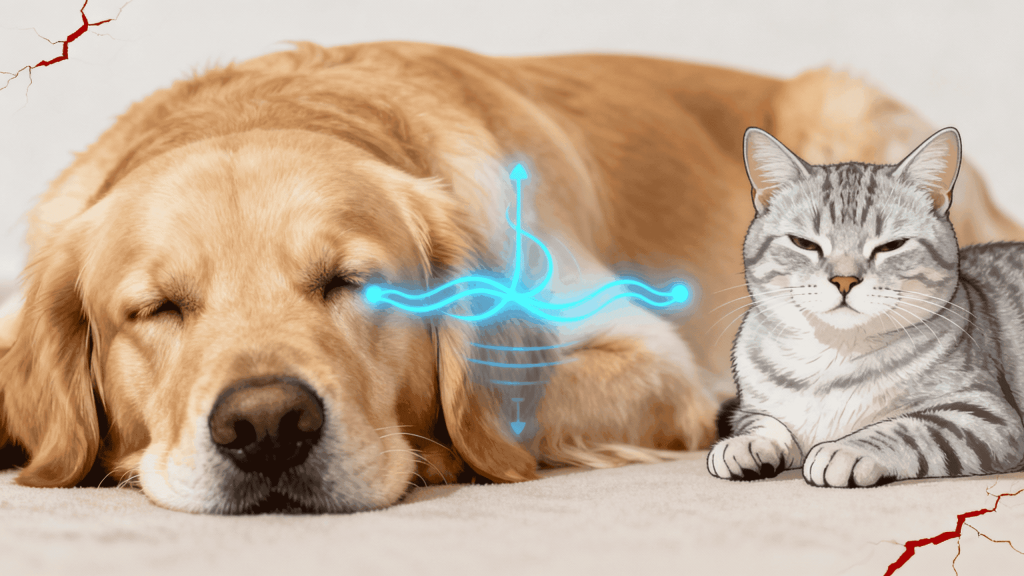
Acute inflammation is short-lived and protective. Chronic inflammation, by contrast, occurs when inflammatory signaling remains active for weeks, months, or even years. Instead of resolving a threat, the immune system stays partially activated, placing continuous stress on tissues and organs.
In pets, chronic inflammation is often driven by factors such as aging, excess body fat, repetitive immune stimulation, environmental stressors, poor sleep patterns, and long-term dietary imbalances. Unlike acute illness, this process is subtle, making pet inflammation difficult to detect without close observation.
Hidden Signs of Inflammation in Dogs and Cats
The signs of inflammation in dogs and cats are rarely dramatic in early stages. Instead, they tend to appear as gradual changes that are easy to attribute to aging or personality.
One common sign is reduced mobility or stiffness, especially after rest. This may reflect inflammatory changes in joints or surrounding tissues rather than simple wear and tear.
Changes in energy levels are another clue. Pets experiencing chronic inflammation may seem less enthusiastic about play, walks, or interaction, even though they are eating normally.
Skin and coat changes can also indicate underlying inflammation. Dull fur, excessive shedding, recurring ear issues, or mild itchiness may reflect immune overactivity rather than isolated skin problems.
Digestive irregularities such as intermittent loose stools, vomiting, or changes in appetite are frequently linked to inflammatory signaling within the gut. Over time, these disruptions can affect nutrient absorption and metabolic balance.
Behavioral shifts, including irritability, restlessness, or increased sleep, are increasingly recognized as potential manifestations of chronic inflammatory stress affecting the nervous system.
Why Chronic Inflammation Matters Long-Term

Persistent inflammation does not stay confined to one system. Research shows that chronic inflammation in pets contributes to the progression of arthritis, obesity-related metabolic dysfunction, cardiovascular strain, kidney disease, and cognitive decline.
Inflammatory molecules can interfere with insulin signaling, accelerate tissue degeneration, and increase oxidative stress. Over time, this creates a biological environment where disease develops more easily and recovery becomes slower.
Daily Support Strategies for Inflammatory Balance
Supporting inflammatory balance does not rely on a single intervention. Instead, it involves consistent daily habits that reduce unnecessary immune activation.
Maintaining a healthy body condition is one of the most impactful strategies. Adipose tissue actively produces inflammatory compounds, meaning excess weight directly fuels inflammation.
Nutrition quality and consistency also matter. Diets that provide adequate protein, balanced fatty acid profiles, and minimal unnecessary fillers support immune regulation and tissue repair.
Daily movement plays a dual role. Regular, moderate activity helps regulate inflammatory signaling while preserving muscle mass and joint mobility. For cats, this may involve interactive play; for dogs, structured walks and low-impact movement are key.
Sleep and routine stability are often overlooked. Disrupted sleep patterns and chronic stress elevate inflammatory markers, making predictable daily schedules an important component of pet inflammation support.
Environmental enrichment and mental stimulation further help regulate stress hormones that influence immune activity, especially in indoor pets.
Monitoring Inflammation Over Time
Because inflammation progresses quietly, early recognition is essential. Monitoring subtle changes in behavior, mobility, coat quality, digestion, and energy allows intervention before irreversible damage occurs.
Regular veterinary checkups, body condition scoring, and open discussion of small changes help ensure that signs of inflammation in dogs and cats are addressed proactively rather than reactively.
Conclusion
Pet inflammation is not always obvious, but its long-term impact can be profound. Understanding how chronic inflammation in pets develops and recognizing the early, subtle signs, empowers owners to support health through daily habits that promote balance rather than suppression. With consistent care, inflammation can be managed as part of a proactive approach to lifelong vitality.
References
- German, A. (2010). Obesity in companion animals. In Practice, 32(2), 42-50.
- Calder, P. C. (2015). Functional roles of fatty acids and their effects on human health. Journal of parenteral and enteral nutrition, 39, 18S-32S.
- Freeman, L. M., Chandler, M. L., Hamper, B. A., & Weeth, L. P. (2013). Current knowledge about the risks and benefits of raw meat–based diets for dogs and cats. Journal of the American Veterinary Medical Association, 243(11), 1549-1558.

