The Hidden Impact of Low-Grade Dehydration in Cats
Written by MyCern Research & Editorial Team
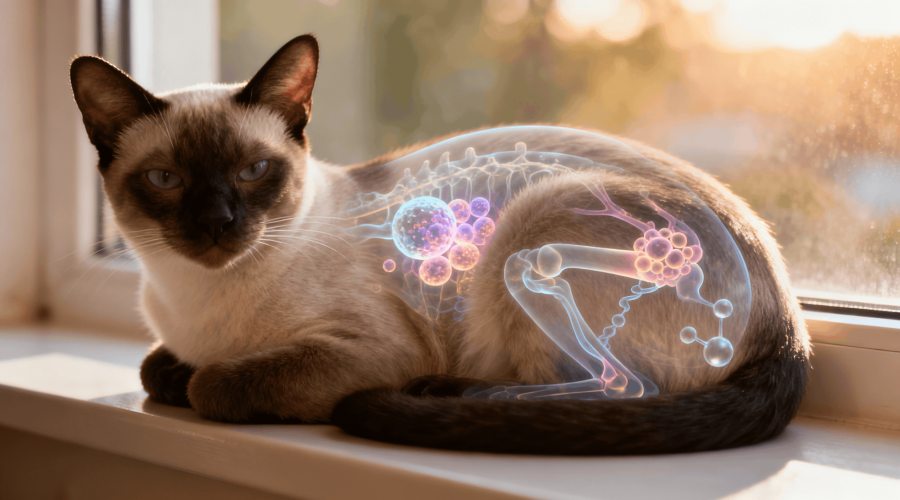
Cats are physiologically adapted to conserve water, a trait shaped by their desert-dwelling ancestors. While this adaptation allows survival with lower fluid intake, it also means that small, chronic deficits in hydration can persist unnoticed. Unlike acute dehydration, low-grade dehydration does not always trigger obvious clinical signs, yet it can quietly influence metabolism, digestion, circulation, and cellular health over time.
Understanding the effects of low-grade dehydration requires looking beyond kidneys or urinary tract health. At the cellular and systemic level, water availability shapes how nutrients are transported, how energy is produced, and how tissues maintain structural integrity.
This article explores:
- What low-grade dehydration means in cats
- How water balance affects cells, metabolism, and circulation
- Why subtle dehydration is easy to miss
- Physiological systems influenced by chronic underhydration
- Practical considerations for supporting optimal hydration status
What Is Low-Grade Dehydration?
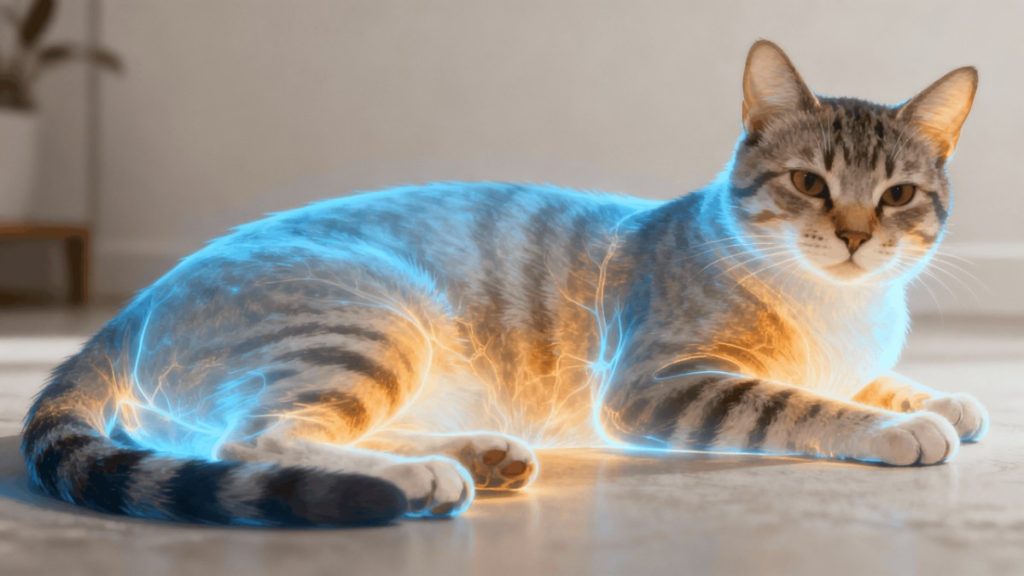
Low-grade dehydration refers to a persistent, mild reduction in total body water that does not reach the threshold of acute dehydration. In cats, this state may occur when fluid intake consistently falls just below physiological needs, particularly in cats consuming predominantly dry diets or living in low-humidity indoor environments.
Because cats efficiently concentrate urine and minimize water loss, the body often compensates without triggering dramatic thirst responses, allowing this condition to persist quietly.
Cellular Hydration and Metabolic Efficiency
Water is not merely a solvent; it is an active participant in metabolic reactions. At the cellular level, hydration status influences:
- Enzyme activity and reaction speed
- Mitochondrial energy production
- Transport of glucose, amino acids, and electrolytes
Even modest reductions in intracellular water can alter cell volume, which affects metabolic signaling pathways involved in protein synthesis and energy regulation. Over time, this can subtly reduce metabolic efficiency without obvious outward symptoms.
Effects on Digestion and Nutrient Absorption
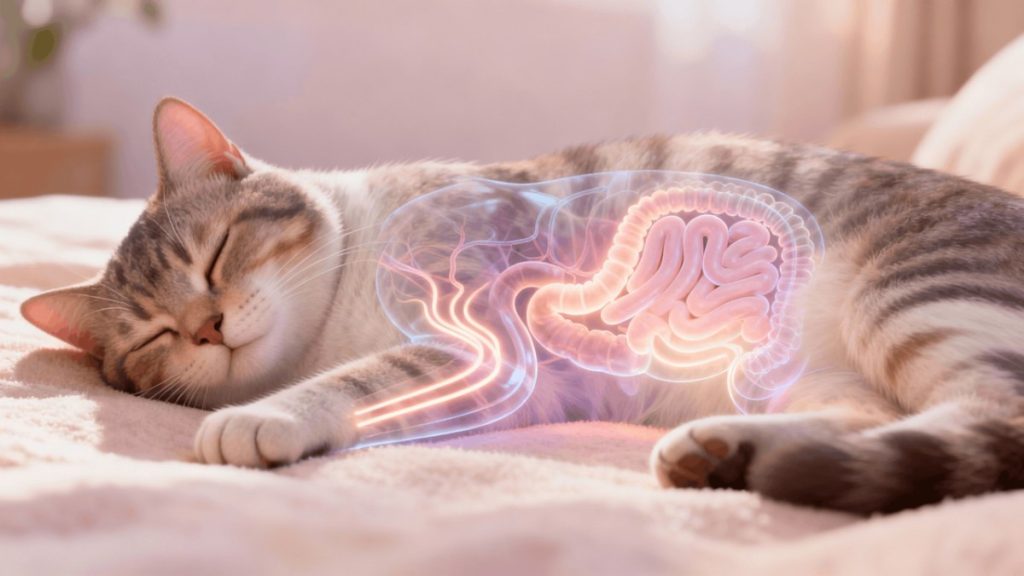
Adequate hydration supports normal gastrointestinal function by:
- Facilitating enzymatic digestion
- Supporting intestinal motility
- Maintaining the mucosal barrier
Low-grade dehydration may contribute to slower digestive transit and reduced mixing of digestive enzymes with food. This does not necessarily cause overt digestive upset but may reduce nutrient bioavailability, particularly for minerals and water-soluble vitamins.
Circulation, Oxygen Delivery, and Tissue Perfusion
Blood plasma is largely composed of water. When hydration is marginal:
- Blood viscosity may increase slightly
- Microcirculation efficiency can decline
- Oxygen and nutrient delivery to tissues becomes less optimal
These changes are subtle and gradual, yet over time they may influence tissue resilience, exercise tolerance, and recovery from minor physiological stressors.
Skin, Coat, and Connective Tissue Integrity
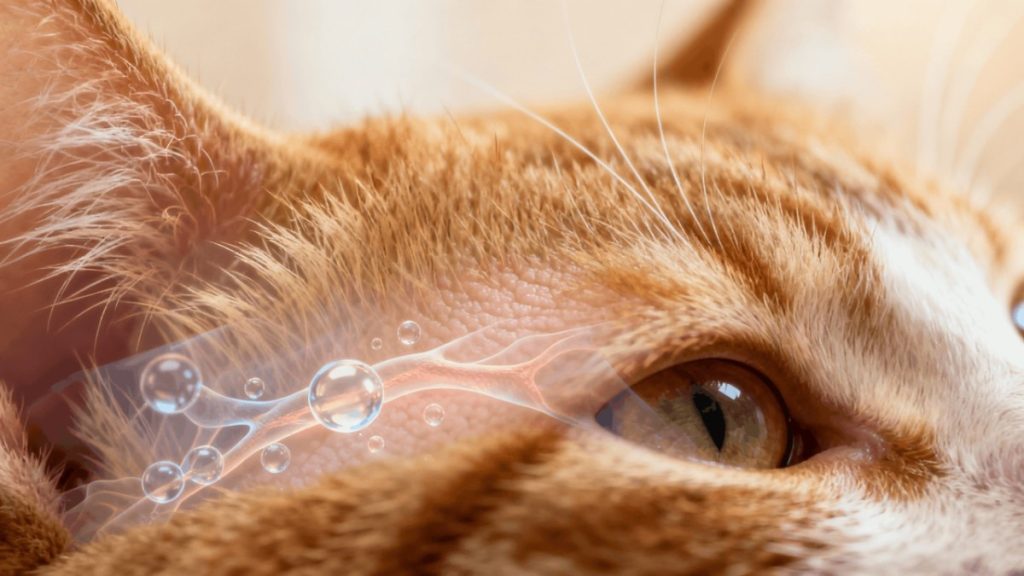
Hydration status contributes to the elasticity and integrity of connective tissues, including skin. Low-grade dehydration may be associated with:
- Reduced skin elasticity
- Duller coat appearance
- Slower turnover of skin cells
These changes are often attributed to aging or grooming habits, but cellular hydration plays a foundational role in maintaining tissue structure.
Neurological Signaling and Behavior
Water balance influences electrolyte distribution and nerve impulse transmission. In cats, subtle dehydration may affect:
- Alertness and engagement
- Stress tolerance
- Sleep-wake rhythms
While these changes are nonspecific, they highlight how hydration supports neurological stability, not just physical systems.
Why Low-Grade Dehydration Is Easy to Miss in Cats
Several factors make this condition difficult to recognize:
- Cats naturally drink infrequently
- Concentrated urine is normal for the species
- Behavioral changes are often minimal or gradual
- Appetite may remain normal
As a result, hydration status is often evaluated only when overt urinary or renal concerns arise, leaving earlier physiological effects unaddressed.
Supporting Optimal Hydration Beyond “Drinking More”
Addressing low-grade dehydration is not solely about increasing water bowl usage. Hydration status is influenced by:
- Dietary moisture content
- Environmental humidity
- Feeding routines and food temperature
- Individual metabolic and activity patterns
Supporting hydration involves considering total water intake from all sources, as well as factors that encourage natural drinking behaviors without forcing intake.

Conclusion
Low-grade dehydration in cats is a subtle but meaningful physiological state that can influence metabolism, digestion, circulation, and tissue health long before overt disease develops. By understanding hydration as a cellular and systemic factor not just a urinary concern, pet owners can better support long-term resilience and vitality in cats. Small, consistent adjustments that respect feline physiology can make a meaningful difference over time.
References
- Armstrong, L. E. (2007). Assessing hydration status: The elusive gold standard. Journal of the American College of Nutrition, 26(5), 575S–584S.
- Popkin, B. M., D’Anci, K. E., & Rosenberg, I. H. (2010). Water, hydration, and health. Nutrition Reviews, 68(8), 439–458.
- Zanghi, B. M. (2018). Water intake patterns and hydration status in cats. Journal of Veterinary Science, 19(4), 505–512.
- Fahey, G. C., et al. (2015). Dietary moisture and its impact on digestion and metabolism in companion animals. Journal of Animal Science, 93(9), 4302–4310.
- Lang, F., et al. (1998). Cell volume and the regulation of cell function. Physiological Reviews, 78(1), 247–306.