Shiny Coats and Healthy Skin: Nutrition Tips Your Pet Will Love
Written by MyCern Research & Editorial Team
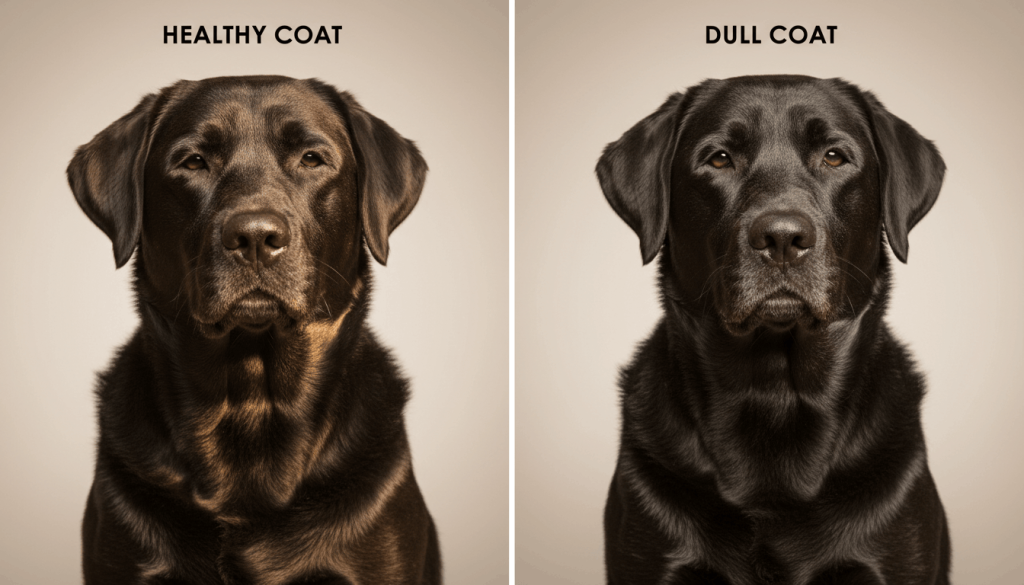
A pet’s coat and skin are not just aesthetic, they are indicators of overall health. Healthy skin acts as a barrier against infections and environmental stress, while a shiny, well-maintained coat reflects proper nutrition, hydration, and metabolic function. Understanding how diet supports skin and coat health helps pet owners make choices that enhance their companion’s comfort, appearance, and wellbeing.
This article explores:
- How skin and coat function in pets
- The role of nutrition in maintaining healthy skin and fur
- Essential nutrients for a shiny, strong coat
- Hydration and environmental factors affecting skin health
- Practical daily tips to support skin and coat naturally
Understanding Skin and Coat Function
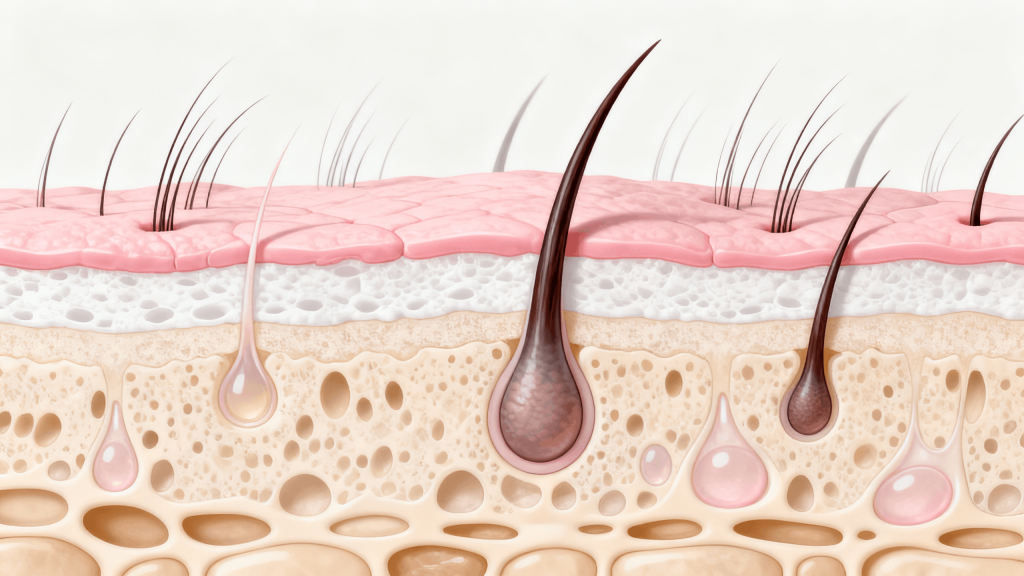
The skin and coat serve multiple vital functions:
- Protective barrier: Shields from pathogens, allergens, and UV exposure
- Thermal regulation: Maintains body temperature through hair density and oil production
- Sensory function: Nerves in the skin provide touch, pain, and pressure sensation
- Signaling health: Dull coats or flaky skin can indicate underlying nutritional or metabolic issues
Quick Tip Box – Skin & Coat Health Signs:
- Shiny, smooth fur without excessive shedding
- Elastic, non-dry skin
- Minimal redness, scaling, or hotspots
- Consistent grooming and licking habits
Nutrients That Support Skin and Coat
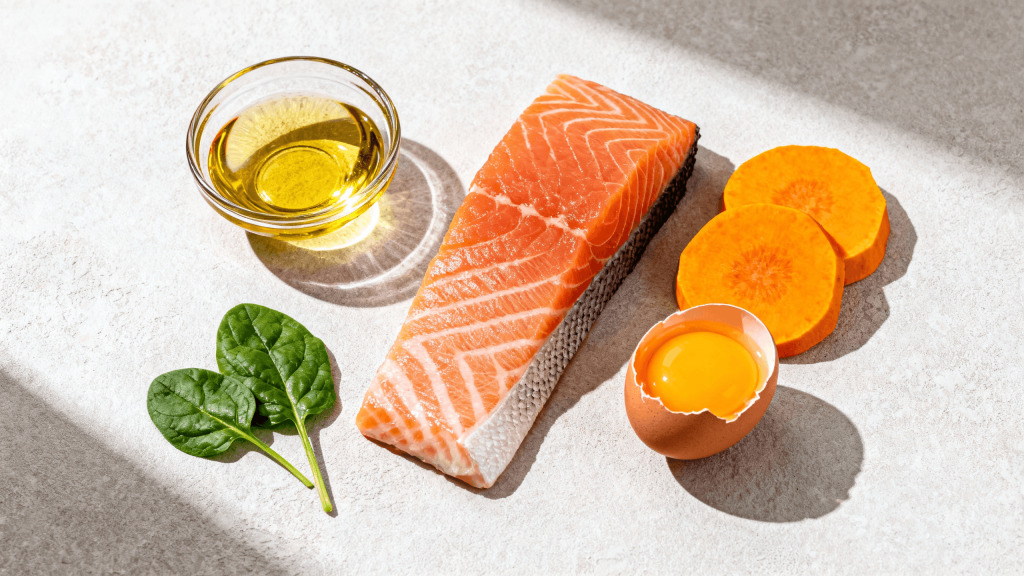
Proper nutrition is central to healthy skin and fur. Key nutrients include:
- Omega-3 and Omega-6 fatty acids: Support cell membrane health, reduce inflammation, and maintain coat shine
- High-quality protein: Provides amino acids needed for hair growth and repair
- Vitamins A, E, and biotin: Essential for skin cell regeneration and barrier integrity
- Zinc and copper: Important for pigmentation, coat strength, and enzyme function
- Hydration: Water is critical for nutrient transport and skin elasticity
Quick Tip Box – Daily Nutrition Tips:
- Offer a mix of wet and dry food for hydration and nutrient diversity
- Incorporate high-quality protein sources such as fish or poultry
- Consider safe, nutrient-rich toppings like pumpkin, salmon oil, or plain yogurt
- Avoid excessive treats or human food high in fat and salt
Lifestyle Factors for Healthy Skin and Coat
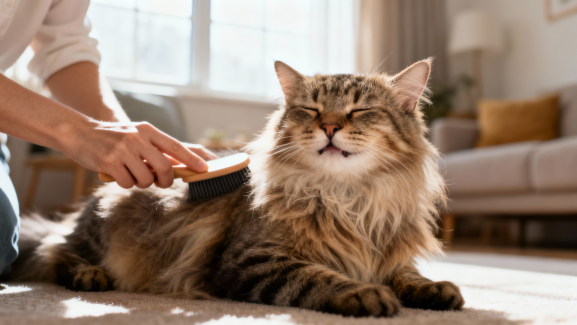
- Groom regularly to remove loose hair, distribute oils, and detect skin issues early
- Provide an environment with minimal stress and allergen exposure
- Protect pets from extreme temperatures and prolonged sun exposure
- Monitor for changes in fur texture, shedding patterns, or skin irritation
Quick Tip Box – Grooming Routine:
- Brush pets several times per week to stimulate oil distribution
- Bathe with gentle, pet-safe shampoos as needed
- Trim nails to prevent scratching and skin damage
- Check ears and paws for signs of irritation or infection
References
- German, A. J., et al. (2002). Nutritional influences on coat and skin health in dogs and cats. Journal of Animal Physiology and Animal Nutrition, 86(11–12), 325–334.
- Case, L. P., et al. (2011). Canine and Feline Nutrition: A Resource for Companion Animal Professionals. Elsevier Health Sciences.
- Picco, F., et al. (2008). Role of omega-3 fatty acids in skin and coat health of companion animals. Veterinary Dermatology, 19(6), 347–354.
- Kahn, C. M., et al. (2010). The Merck Veterinary Manual. Merck & Co.
Conclusion
Healthy skin and a shiny coat are reflections of a pet’s overall wellbeing. By focusing on nutrient-rich diets, proper hydration, and consistent grooming routines, pet owners can naturally support their companions’ skin integrity, coat luster, and comfort. Science-informed care, combined with attentive observation, ensures pets remain vibrant, healthy, and happy throughout their lives.