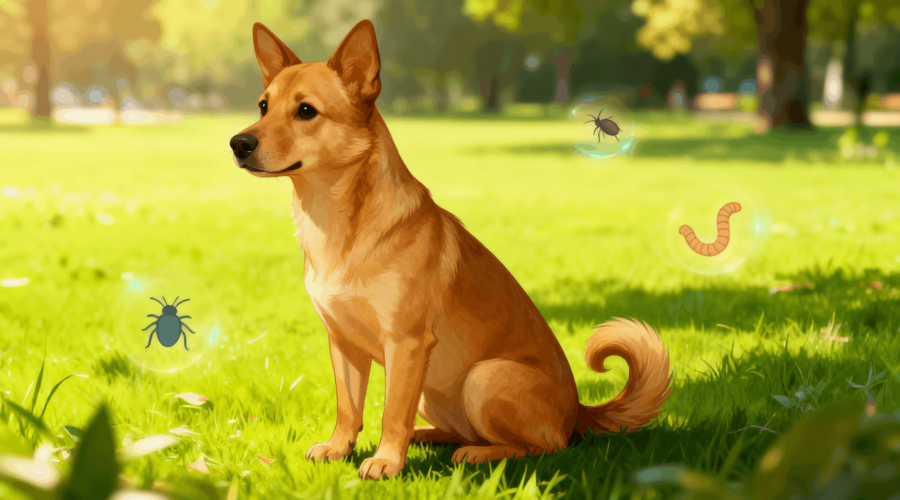
Fleas, Ticks, and Worms in Dogs: Early Signs, Risks, and Prevention Tips
Written by MyCern Research & Editorial Team
Parasites such as fleas, ticks, and intestinal worms are more than just a nuisance for dogs—they can affect comfort, nutrition, immune balance, and overall health. Because many parasite-related problems develop gradually, early awareness and consistent prevention play a critical role in keeping dogs healthy throughout their lives. Understanding how these parasites affect the body empowers pet owners to take proactive, science-informed steps toward protection.
This article explores:
- Common external and internal parasites in dogs
- Early signs of flea, tick, and worm exposure
- Health risks associated with untreated infestations
- How parasites impact immunity and nutrition
- Practical prevention habits for long-term protection
Fleas: Small Parasites, Big Discomfort
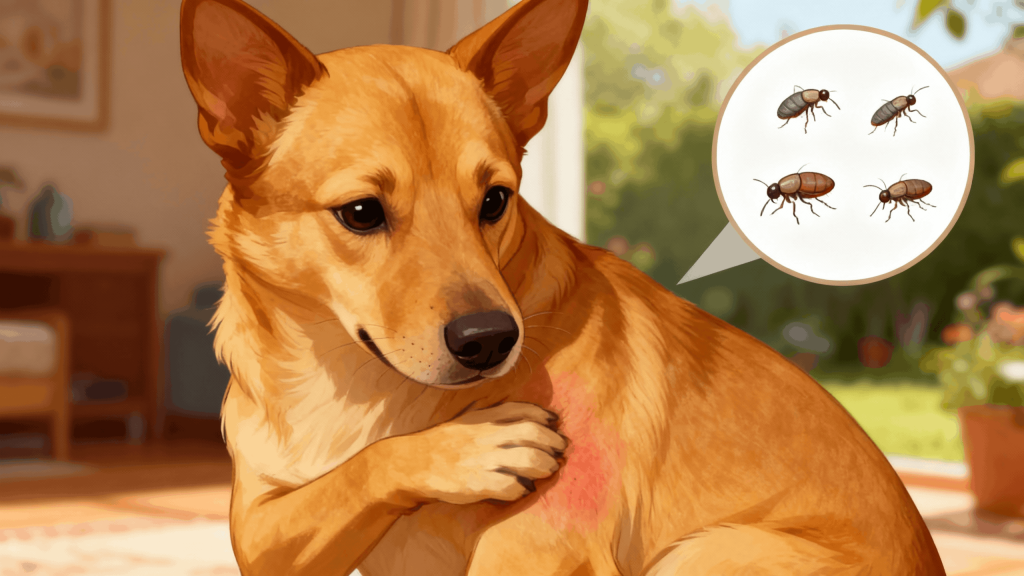
Fleas are among the most common external parasites affecting dogs. They feed on blood and reproduce rapidly, making infestations difficult to control once established.
Early signs of fleas include:
- Persistent scratching or biting at the skin
- Red or irritated patches, especially near the tail base
- Hair thinning or hair loss
- Presence of flea dirt (small black specks)
Why fleas matter biologically:
- Blood loss can contribute to weakness, especially in puppies
- Flea saliva can trigger allergic skin responses
- Excessive scratching damages the skin barrier
Quick Tips Box – Reducing Flea Exposure:
- Check your dog’s coat weekly, especially after outdoor activity
- Wash bedding regularly in hot water
- Vacuum carpets and upholstery frequently
- Maintain consistent grooming routines
Ticks: Hidden Risks Beneath the Fur
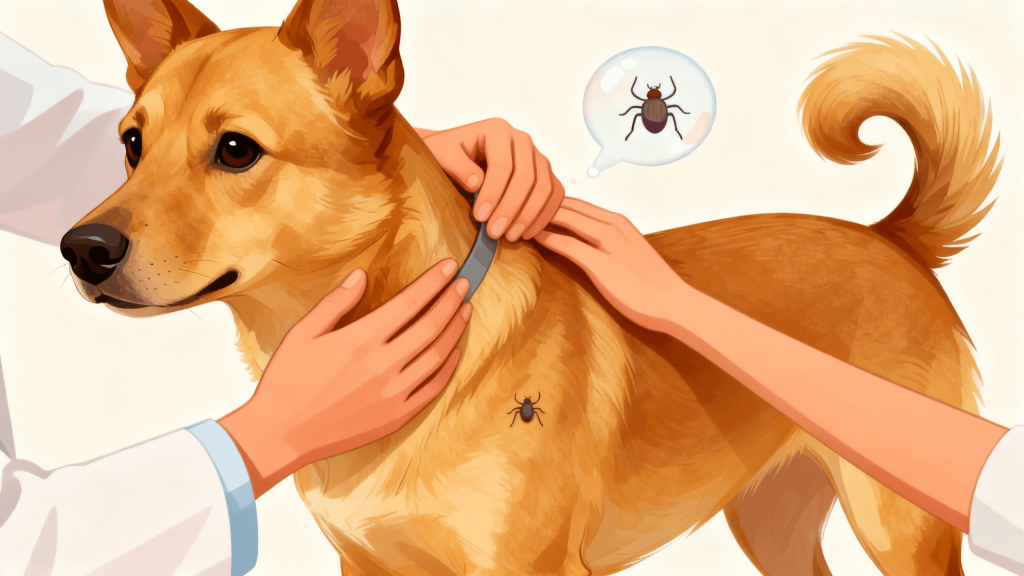
Ticks attach firmly to the skin and feed for extended periods, often going unnoticed at first.
Common tick attachment areas:
- Ears and neck
- Between toes
- Under collars
- Groin and armpits
Health risks associated with ticks:
- Transmission of bacteria and parasites
- Local inflammation at the bite site
- Fatigue or discomfort following prolonged attachment
Quick Tips Box – Tick Awareness:
- Perform full-body checks after walks in grassy or wooded areas
- Remove ticks promptly and carefully
- Keep grass trimmed in outdoor spaces
- Avoid peak tick habitats when possible
Intestinal Worms: Internal Parasites With Systemic Effects
Worms such as roundworms, hookworms, whipworms, and tapeworms affect the digestive system and nutrient absorption.
Possible signs of intestinal worms:
- Loose stools or diarrhea
- Bloating or pot-bellied appearance
- Weight loss despite normal appetite
- Dull coat or reduced energy

How worms affect the body:
- Compete for nutrients within the digestive tract
- Disrupt gut microbiome balance
- Place strain on the immune system
Quick Tips Box – Digestive Health Monitoring:
- Observe stool consistency and frequency
- Maintain regular fecal checks as recommended
- Practice good hygiene in shared environments
- Prevent scavenging and ingestion of unknown materials
Why Parasites Impact More Than Just the Skin or Gut
Parasites influence multiple body systems simultaneously:
- Skin barrier disruption increases infection risk
- Chronic immune activation may contribute to fatigue
- Nutrient loss affects growth, muscle maintenance, and coat health
Supporting overall wellness helps dogs remain more resilient to environmental challenges.
Daily Prevention Habits That Make a Difference
Consistent prevention focuses on environment, routine, and awareness rather than reaction alone.
Preventive lifestyle strategies:
- Regular grooming and coat inspections
- Clean living spaces and sleeping areas
- Balanced nutrition to support immune function
- Predictable routines that allow early detection of changes
Quick Tips Box – Prevention Mindset:
- Early detection is easier than treatment
- Combine environmental control with routine monitoring
- Adjust prevention strategies seasonally
- Keep records of any parasite exposure or symptoms

References
- Bowman, D. D. (2014). Georgis’ Parasitology for Veterinarians. Elsevier.
- Dryden, M. W., et al. (2011). Biology and control of fleas and ticks in dogs and cats. Veterinary Clinics of North America: Small Animal Practice, 41(6), 1329–1341.
- Companion Animal Parasite Council (CAPC). (2020). Parasite prevalence and prevention strategies. Veterinary Parasitology, 282, 109–117.
- Traversa, D. (2012). Pet roundworms and hookworms: A continuing need for global awareness. Parasites & Vectors, 5(91), 1–11.
Conclusion
Fleas, ticks, and worms are common challenges for dogs, but they do not have to be inevitable. By recognizing early signs, understanding the biological impact of parasites, and maintaining consistent preventive habits, pet owners can support their dog’s comfort, digestion, and immune balance. A proactive, education-first approach helps ensure dogs remain healthy, active, and protected throughout every life stage.