

Helping Your Senior Pet Stay Active and Healthy
Written by MyCern Research & Editorial Team
As pets age, their bodies experience changes in metabolism, joint function, and energy levels. Supporting an active lifestyle in senior pets helps maintain mobility, mental stimulation, and overall quality of life. Understanding the physiological changes that come with age allows owners to provide care that promotes longevity and comfort.
This article explores:
- How aging affects pets physically and mentally
- Strategies to support joint health and mobility
- Nutritional approaches to maintain energy and vitality
- Practical lifestyle tips for senior pets
- Monitoring and early detection of age-related changes
How Aging Affects Pets
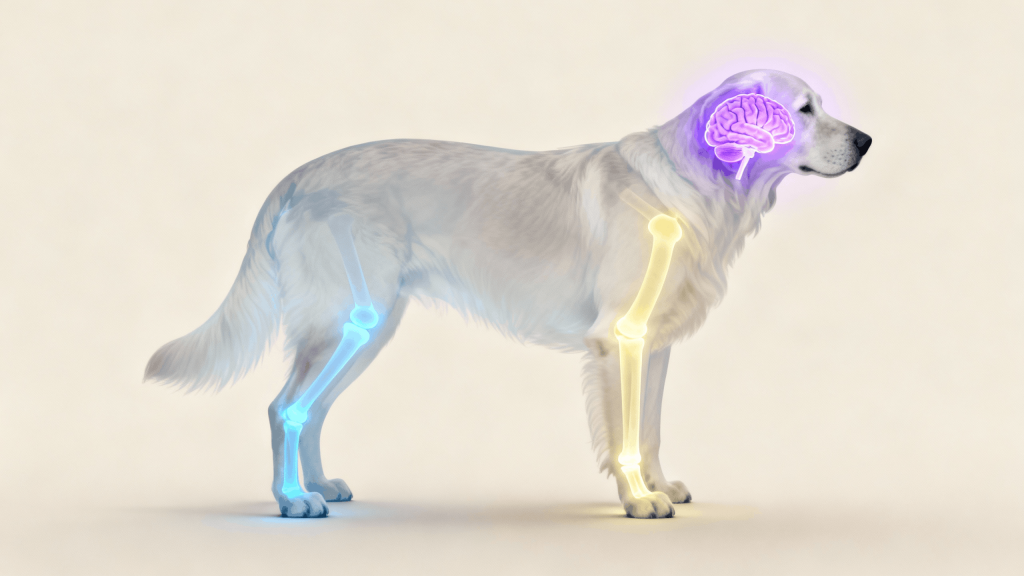
Aging brings natural physiological changes that impact activity and health:
- Joint and muscle changes: Decreased cartilage elasticity and muscle mass can reduce mobility
- Metabolism shifts: Slower metabolism may affect weight management and energy levels
- Sensory decline: Vision, hearing, and olfactory abilities can diminish
- Cognitive function: Mental stimulation needs may increase to prevent cognitive decline
Quick Tip Box – Signs Your Senior Pet May Need Extra Support:
- Slower or hesitant movement
- Difficulty climbing stairs or jumping
- Changes in sleep patterns or energy levels
- Mild confusion or forgetfulness
- Altered appetite or weight fluctuations
Supporting Mobility and Joint Health
Maintaining mobility is key for senior pets’ quality of life:
- Regular, gentle exercise: Short walks, swimming, or indoor play help maintain muscle tone and joint flexibility
- Safe environment: Non-slip flooring, ramps, and supportive bedding reduce strain
- Weight management: Healthy body weight reduces pressure on joints
- Stretching and low-impact activity: Helps preserve range of motion
Quick Tip Box – Daily Mobility Routine:
- Morning: Short walk or indoor play session
- Mid-day: Gentle stretching or interactive toys
- Evening: Calm walk or massage to support circulation and relaxation
Nutrition for Senior Pets
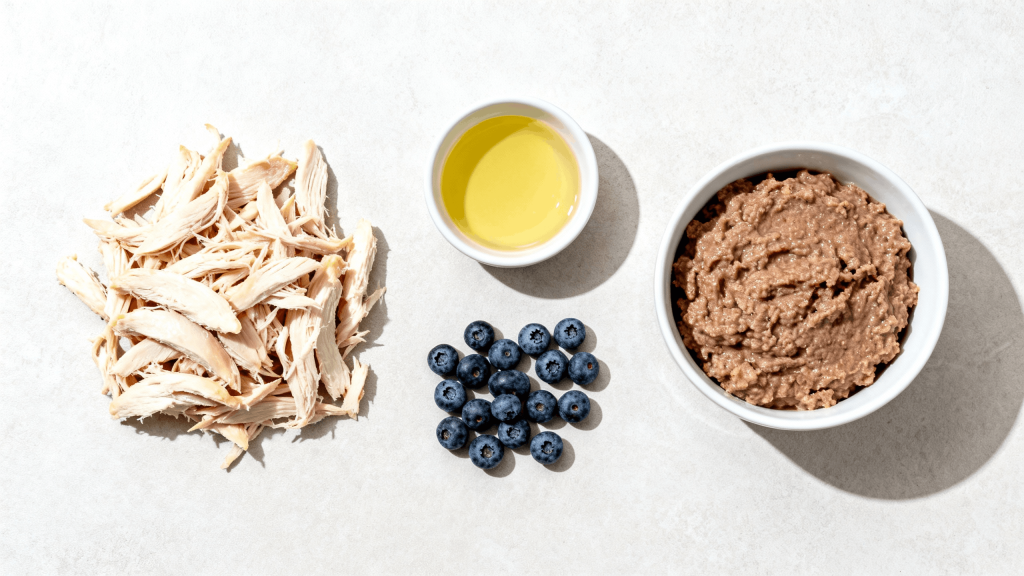
Diet is critical to supporting energy, joint health, and metabolic balance in older pets:
- High-quality protein: Helps preserve muscle mass
- Moderate fat intake: Provides energy without promoting excess weight
- Omega-3 fatty acids: Support joint and cognitive health
- Antioxidants: Vitamins C and E can help reduce oxidative stress
- Hydration: Ensures proper kidney function and nutrient transport
Quick Tip Box – Feeding Tips for Seniors:
- Split meals into smaller, more frequent portions to aid digestion
- Incorporate wet food or broths for hydration and palatability
- Monitor appetite and adjust diet gradually to prevent sudden weight changes
- Consult a veterinarian for age-appropriate nutrition guidance
Lifestyle Tips for Senior Pet Wellness
- Provide comfortable bedding with joint support
- Maintain a consistent routine to reduce stress
- Stimulate the mind with puzzle toys or gentle training sessions
- Schedule regular veterinary check-ups for early detection of health changes
- Encourage social interaction with family or other pets, if appropriate

References
- Michel, K. E., et al. (2009). Aging in dogs and cats: Clinical implications and management. Veterinary Clinics of North America: Small Animal Practice, 39(2), 227–239.
- Brown, S., et al. (2013). Nutrition and exercise in senior dogs and cats. Journal of Animal Physiology and Animal Nutrition, 97(3), 391–400.
- Landsberg, G., et al. (2012). Cognitive dysfunction in aging pets: Clinical signs and management. Veterinary Clinics of North America: Small Animal Practice, 42(4), 749–767.
- Case, L. P., et al. (2011). Canine and Feline Nutrition: A Resource for Companion Animal Professionals. Elsevier Health Sciences.
Conclusion
Supporting senior pets requires attention to mobility, nutrition, and mental stimulation. By maintaining gentle exercise routines, providing nutrient-rich diets, and monitoring health changes, owners can help their older companions stay active, comfortable, and engaged. Consistent, science-informed care fosters a long, healthy, and fulfilling life for pets in their golden years.
