Helping Anxious Pets Relax Naturally: Tips and Supplement Support
Written by MyCern Research & Editorial Team
Stress and anxiety can affect pets just as they do humans, influencing behavior, digestion, sleep, and overall wellbeing. While occasional stress responses are normal, ongoing anxiety may reduce a pet’s comfort and quality of life. Understanding the biological roots of stress and using gentle, natural strategies can help pets feel calmer, safer, and more balanced in their daily routines.
This article explores:
- How stress and anxiety affect pets
- Common triggers of anxious behavior
- Natural calming strategies and lifestyle habits
- Nutritional and supplement-based support options
- Practical tips for creating a calming environment
Understanding Stress and Anxiety in Pets
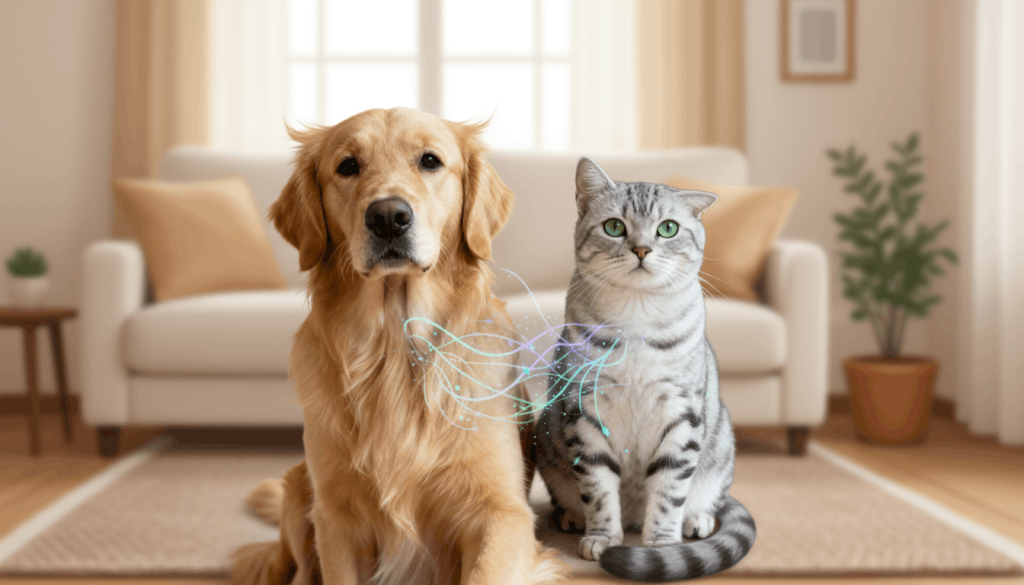
Stress is the body’s response to perceived challenges or threats. In pets, this response involves:
- The nervous system: Activates “fight or flight” responses
- Stress hormones (such as cortisol): Prepare the body for action
- Behavioral changes: Reflect emotional discomfort
Short-term stress can be adaptive, but prolonged activation of stress pathways may affect digestion, immunity, sleep, and behavior.
Quick Tip Box – Common Signs of Anxiety:
- Restlessness or pacing
- Excessive vocalization
- Hiding or withdrawal
- Changes in appetite or sleep
- Destructive or repetitive behaviors
Common Triggers of Pet Anxiety
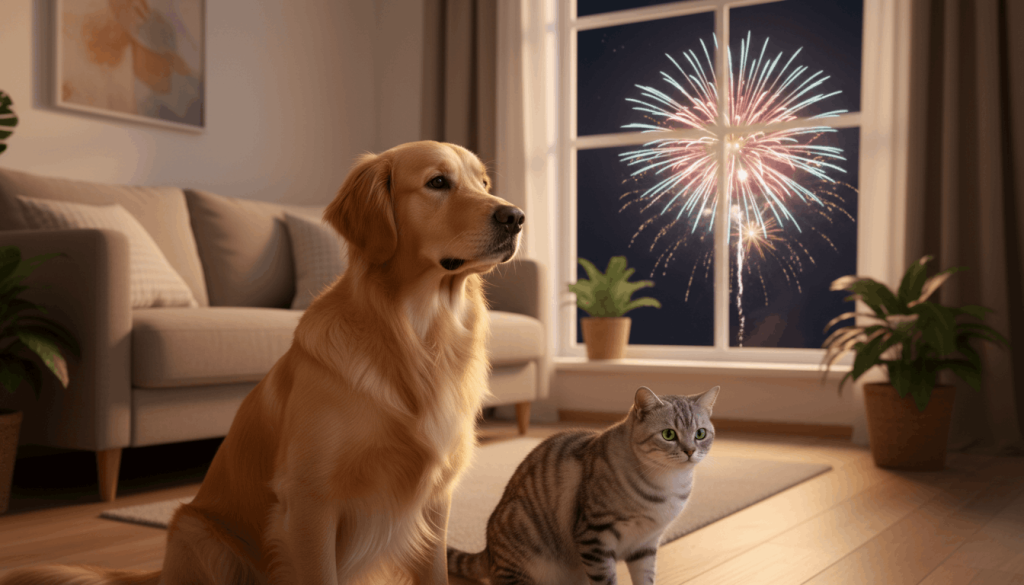
Anxiety may arise from a variety of environmental and situational factors:
- Loud noises (thunder, fireworks, traffic)
- Separation from caregivers
- Changes in routine or environment
- Lack of mental or physical stimulation
- Previous negative experiences
Identifying triggers is an important step toward reducing stress exposure.
Quick Tip Box – Stress Awareness:
- Note when anxious behaviors occur
- Observe patterns linked to time, place, or events
- Maintain predictable daily schedules
- Introduce changes gradually when possible
Natural Ways to Help Pets Feel Calm
Daily habits and environments strongly influence emotional balance:
- Routine: Consistency supports nervous system regulation
- Physical activity: Helps release excess stress energy
- Mental enrichment: Reduces boredom-related anxiety
- Safe spaces: Quiet areas allow pets to self-soothe
Quick Tip Box – Calming Lifestyle Habits:
- Daily walks or structured playtime
- Quiet rest periods away from stimulation
- Gentle interaction and reassurance
- Limiting exposure to overwhelming environments
Nutrition and Supplement Support for Calm Behavior

Certain nutrients and natural compounds play supportive roles in nervous system function:
- Magnesium: Involved in nerve signaling and muscle relaxation
- B vitamins: Support neurotransmitter balance
- L-theanine: An amino acid associated with calm alertness
- Tryptophan: A precursor to serotonin, a mood-regulating neurotransmitter
- Herbal extracts (e.g., chamomile, valerian): Traditionally used for relaxation
These ingredients may help support emotional balance when used appropriately and as part of a broader wellness approach.
Quick Tip Box – Using Supplements Thoughtfully:
- Choose products formulated specifically for pets
- Introduce one change at a time
- Use supplements as support, not a replacement for routine or training
- Consult professionals before long-term use
Creating a Calm Home Environment
- Maintain predictable feeding and activity schedules
- Use calming sounds or white noise during stressful events
- Provide familiar bedding and scents
- Avoid punishment-based training methods
- Reinforce calm behavior with positive interactions
Quick Tip Box – During Stressful Events:
- Close windows to reduce noise exposure
- Stay calm, as pets respond to human cues
- Offer a safe retreat space
- Resume normal routines once the event passes

References
- Overall, K. L. (2013). Manual of Clinical Behavioral Medicine for Dogs and Cats. Elsevier.
- Landsberg, G. M., et al. (2017). Behavioral signs of anxiety and stress in companion animals. Veterinary Clinics of North America: Small Animal Practice, 47(2), 261–283.
- Herron, M. E., et al. (2009). Effects of stress on canine behavior and physiology. Journal of the American Veterinary Medical Association, 234(11), 1403–1411.
- de Souza, J. M., et al. (2020). Nutritional modulation of stress responses in animals. Journal of Animal Science, 98(6), skaa162.
Conclusion
Helping anxious pets relax naturally involves understanding stress responses, minimizing triggers, and supporting emotional balance through consistent routines, enrichment, and thoughtful nutritional support. By combining lifestyle strategies with gentle calming aids, pet owners can foster a more secure, comfortable environment that supports long-term emotional wellbeing and resilience.