

How Antioxidants Protect Your Pet’s Cells and Support Longevity
Written by MyCern Research & Editorial Team
Every day, your pet’s body is exposed to internal and external stressors that can affect cellular health over time. Normal metabolic processes, environmental factors, and aging all contribute to oxidative stress at the cellular level. Antioxidants play a supportive role in helping the body maintain balance, protect cells, and promote long-term vitality. Understanding how antioxidants work allows pet owners to make informed choices that support healthy aging.
This article explores:
- What oxidative stress is and how it affects pets
- How antioxidants support cellular protection
- Key antioxidant nutrients for pets
- Daily habits that enhance antioxidant balance
- Practical tips for supporting long-term vitality
What Is Oxidative Stress?

Oxidative stress occurs when unstable molecules called free radicals outnumber the body’s natural defenses. In pets, this imbalance may arise from:
- Normal energy metabolism
- Environmental exposures (pollution, UV light)
- Physical activity and stress
- Natural aging processes
When left unchecked, oxidative stress can affect cell membranes, proteins, and DNA, influencing tissue function over time.
Quick Tip Box – Why Cells Need Protection:
- Cells generate energy continuously
- Free radicals are a natural byproduct of metabolism
- Antioxidants help neutralize excess free radicals
- Balance, not elimination, is the goal
How Antioxidants Support Cellular Health
Antioxidants help stabilize free radicals, reducing their potential impact on cells:
- Cell membrane support: Helps maintain structural integrity
- Mitochondrial protection: Supports energy-producing pathways
- Immune balance: Assists in regulating inflammatory responses
- Tissue resilience: Helps maintain normal cellular repair processes
These mechanisms are especially important as pets age and natural antioxidant defenses may decline.
Key Antioxidants That Support Pet Longevity
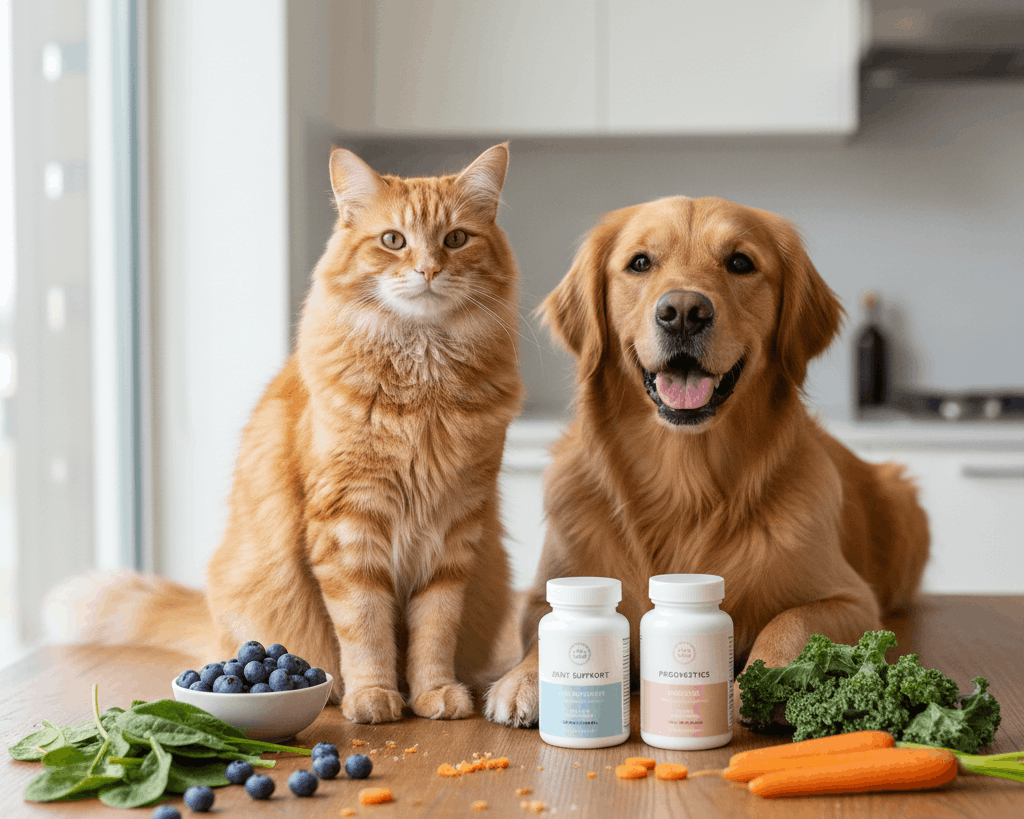
Several nutrients and compounds contribute to antioxidant defense systems:
- Vitamin E: Fat-soluble antioxidant that protects cell membranes
- Vitamin C: Supports immune and cellular health
- Selenium: Works with antioxidant enzymes
- Carotenoids (beta-carotene, lutein): Support eye, skin, and immune health
- Polyphenols: Plant-based compounds with antioxidant activity
Quick Tip Box – Antioxidant-Rich Nutrition:
- Feed a complete, balanced diet with diverse ingredients
- Include naturally colorful foods when appropriate
- Avoid excessive calories that increase metabolic stress
- Ensure proper storage of food to preserve nutrient quality
Lifestyle Habits That Support Antioxidant Balance
Daily routines influence oxidative balance as much as nutrition:
- Regular, moderate physical activity
- Stress-reduction through routine and enrichment
- Adequate sleep and rest periods
- Clean environments with reduced toxin exposure
Quick Tip Box – Supporting Healthy Aging:
- Maintain a healthy body weight
- Adjust activity intensity with age
- Monitor changes in energy and recovery
- Support mental engagement alongside physical health

References
- Halliwell, B., & Gutteridge, J. M. C. (2015). Free radicals in biology and medicine. Oxford University Press.
- Finkel, T., & Holbrook, N. J. (2000). Oxidants, oxidative stress and the biology of ageing. Nature, 408(6809), 239–247.
- Case, L. P., et al. (2011). Canine and Feline Nutrition: A Resource for Companion Animal Professionals. Elsevier Health Sciences.
- de Oliveira, L. D., et al. (2018). Dietary antioxidants and oxidative stress in dogs. Journal of Animal Physiology and Animal Nutrition, 102(1), 193–201.
Conclusion
Antioxidants play an essential role in supporting cellular health and resilience throughout your pet’s life. By maintaining a balanced diet, encouraging healthy daily habits, and minimizing environmental stressors, pet owners can help support natural antioxidant defenses and promote long-term vitality. A science-informed, preventative approach supports pets in aging comfortably and staying active across every life stage.
