How Gentle Training Improves Confidence, Behavior, and Trust in Dogs
Written by MyCern Research & Editorial Team
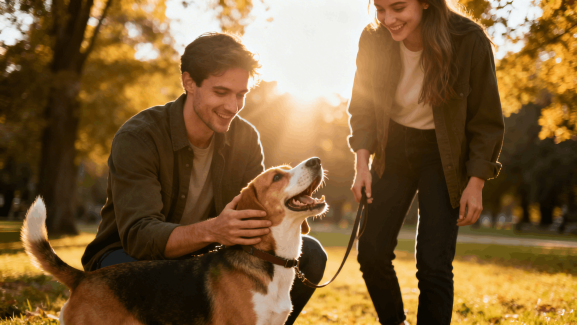
Training is a cornerstone of a dog’s physical and mental wellbeing. Gentle, positive-reinforcement training methods not only teach obedience but also build confidence, strengthen trust between dog and owner, and reduce stress-related behaviors. Understanding how dogs learn and respond to rewards allows owners to foster lasting, healthy relationships and promote behavioral stability.
This article explores:
- How dogs learn and respond to training
- Benefits of gentle, reward-based methods
- Common behavior challenges and how training addresses them
- Strategies to build confidence and trust
- Practical tips for consistent and effective training
How Dogs Learn
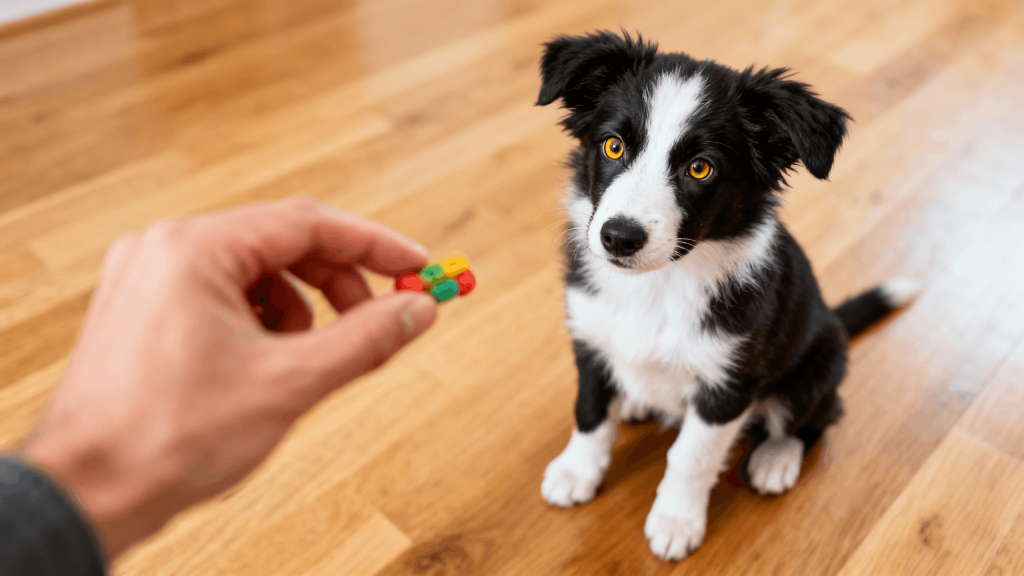
Dogs are highly responsive to environmental cues, repetition, and reinforcement:
- Positive reinforcement: Rewards such as treats, praise, or play encourage desired behaviors
- Consistency: Predictable cues and routines help dogs understand expectations
- Timing: Immediate feedback strengthens learning and association
- Gradual progression: Step-by-step challenges promote success and confidence
Quick Tip Box – Training Principles:
- Reward calm and attentive behavior rather than punishing mistakes
- Use clear, consistent commands
- Keep training sessions short and frequent to maintain focus
- Adapt difficulty to age, breed, and individual temperament
Behavioral and Emotional Benefits

Gentle training supports both behavior and mental wellbeing:
- Confidence: Mastery of new skills boosts self-assurance
- Reduced anxiety: Predictable routines and positive reinforcement reduce stress
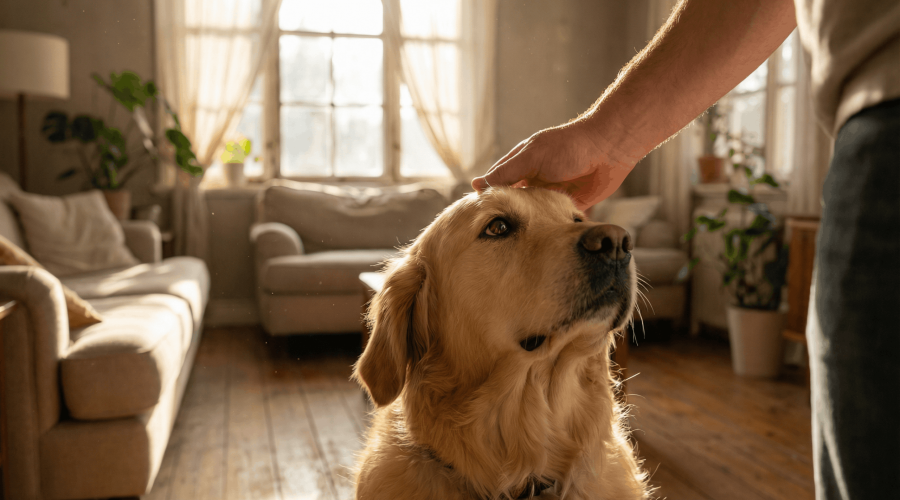
- Trust: Strengthened human-dog bonds improve cooperation and security
- Problem behavior management: Gentle training helps curb barking, jumping, and aggression
Quick Tip Box – Observing Training Progress:
- Note improvements in attention, focus, and response to cues
- Track reductions in unwanted behaviors
- Celebrate small achievements to encourage engagement
- Adjust rewards and challenges to maintain motivation
Strategies for Successful Gentle Training
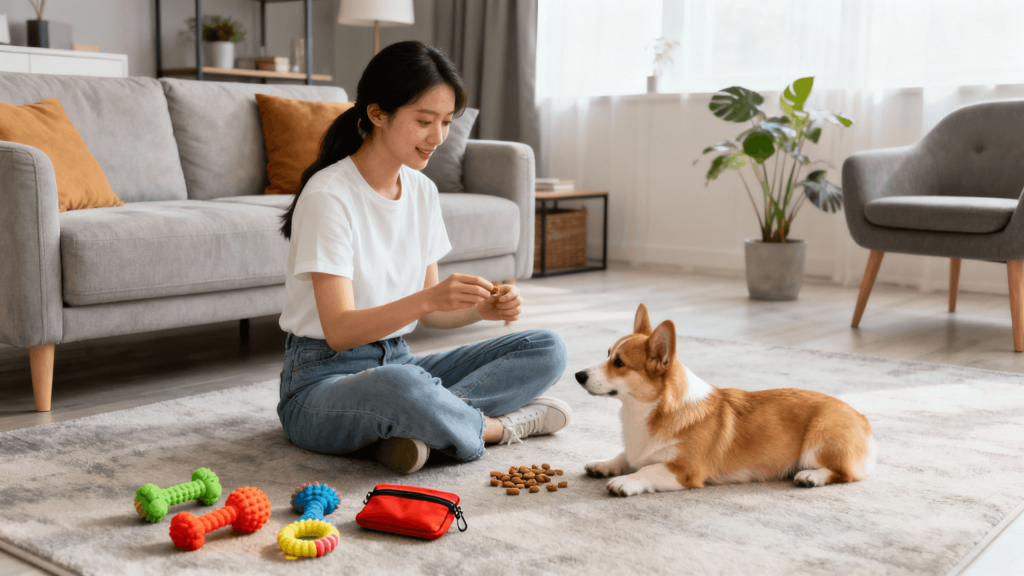
Creating a supportive training environment enhances results:
- Short, frequent sessions: 5–10 minutes multiple times per day
- High-value rewards: Treats, praise, or play tailored to dog preferences
- Controlled distractions: Gradually introduce new environments to reinforce focus
- Socialization: Incorporate positive interactions with other dogs or people
Quick Tip Box – Training Routine Ideas:
- Practice basic commands before walks or playtime
- Introduce new tricks gradually with clear rewards
- Pair mental stimulation with physical exercise for balanced development
- Document progress and adapt sessions to maintain interest
Long-Term Impact on Health and Wellbeing
Gentle training has lasting effects beyond behavior:
- Reduces stress-related health issues
- Supports cognitive development in puppies
- Enhances mental stimulation in adult and senior dogs
- Fosters harmonious relationships and a calm, confident demeanor

References
- Overall, K. L. (2013). Manual of Clinical Behavioral Medicine for Dogs and Cats. Elsevier.
- Blackwell, E. J., et al. (2008). The importance of positive reinforcement in dog training. Journal of Veterinary Behavior, 3(3), 123–133.
- Hiby, E. F., Rooney, N. J., & Bradshaw, J. W. S. (2004). Dog training methods: Their use, effectiveness and interaction with behavior and welfare. Animal Welfare, 13(1), 63–69.
- Herron, M. E., Shofer, F. S., & Reisner, I. R. (2009). Survey of the use and outcome of confrontational and non-confrontational training methods in client-owned dogs showing undesired behaviors. Applied Animal Behaviour Science, 117(1–2), 47–54.
Conclusion
Gentle training goes beyond teaching commands, it fosters confidence, strengthens trust, and supports emotional wellbeing in dogs. By applying positive reinforcement, consistent routines, and thoughtful environmental management, owners can guide their dogs toward desirable behaviors while nurturing a strong, trusting bond. Science-informed training practices create happier, more confident, and well-adjusted canine companions.