Cat Dental Health Explained: Preventing Pain and Maintaining Comfort
Written by MyCern Research & Editorial Team
Oral health is a critical component of feline wellbeing, yet dental problems often go unnoticed until they cause pain or systemic issues. Plaque and tartar buildup can lead to gum inflammation, tooth discomfort, and even affect overall health, including the heart and kidneys. Understanding feline dental needs, recognizing early signs, and establishing preventive care routines help maintain comfort and long-term health.
This article explores:
- Common dental issues in cats and their causes
- Early signs of oral discomfort
- How dental health affects overall wellbeing
- Preventive care strategies and hygiene practices
- Nutrition and environmental support for oral health
Common Cat Dental Issues
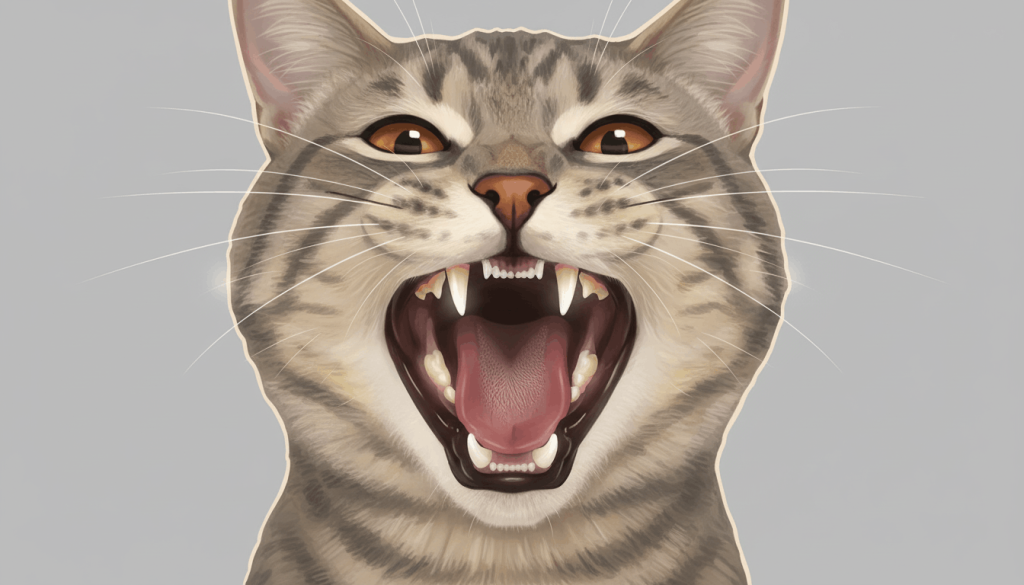
Cats are prone to several oral health challenges:
- Gingivitis: Early inflammation of the gums, often reversible with proper care
- Periodontitis: Advanced gum disease that can cause tooth loss and infection
- Resorptive lesions: Painful dental breakdown affecting tooth structure
- Plaque and tartar accumulation: Leads to chronic inflammation and discomfort
Quick Tip Box – Why Dental Issues Often Go Unnoticed:
- Cats rarely vocalize pain until it becomes severe
- Subtle behavioral changes may indicate oral discomfort
- Bad breath is often dismissed as normal feline odor
Early Signs to Watch For
Monitoring behavior and routine can help identify dental issues early:
- Dropping food or difficulty chewing
- Pawing at the mouth or rubbing the face
- Excessive drooling or bad breath
- Reduced appetite or preference for soft food
- Irritability or hiding behaviors

Quick Tip Box – At-Home Oral Checks:
- Lift lips to inspect gums and teeth weekly
- Look for tartar buildup along the gumline
- Observe chewing habits and play behavior
- Note any drooling or swelling around the jaw
Dental Health and Overall Wellbeing
Oral health affects multiple systems:
- Immune system: Chronic inflammation can stress immune defenses
- Digestive health: Pain may reduce food intake and nutrient absorption
- Systemic impact: Oral bacteria can enter the bloodstream, affecting heart and kidney health
Maintaining dental hygiene supports comfort and overall vitality.
Preventive Care and Hygiene
Preventive strategies are essential for long-term oral health:
- Regular brushing: Use cat-safe toothpaste and brushes
- Dental chews and toys: Promote plaque removal and gum stimulation
- Routine veterinary check-ups: Professional cleanings and monitoring
- Dietary support: Dry food, specially formulated diets, or added dental supplements may help reduce tartar
Quick Tip Box – Supporting Cat Dental Health:
- Start brushing early to establish the habit
- Rotate toys and dental treats to encourage chewing
- Maintain regular veterinary oral assessments
- Avoid sudden changes in diet that may disrupt chewing habits

References
- Harvey, C. E., et al. (2002). Periodontal disease in cats: Etiology, prevention, and management. Veterinary Clinics of North America: Small Animal Practice, 32(5), 1053–1068.
- Niemiec, B. A. (2013). Veterinary Dental Techniques for Dogs and Cats. Wiley-Blackwell.
- Glickman, L. T., et al. (1999). Oral health and systemic disease in cats. Journal of the American Veterinary Medical Association, 215(4), 520–525.
- Reiter, A. M., et al. (2004). Prevalence and severity of periodontal disease in cats. Journal of Veterinary Dentistry, 21(2), 55–60.
Conclusion
Dental health is a vital yet often overlooked aspect of feline wellbeing. Early recognition of signs, consistent at-home care, regular veterinary assessments, and preventive hygiene practices help prevent pain, maintain comfort, and support overall health. By understanding and addressing oral health needs, cat owners can ensure their feline companions remain healthy, comfortable, and thriving throughout life.