How Circadian Rhythms Influence Your Pet’s Appetite, Energy, and Sleep
Written by MyCern Research & Editorial Team
Have you ever noticed your pet becoming hungry, playful, or sleepy at the same times each day—almost like clockwork? This predictability isn’t coincidence. Dogs and cats, like humans, operate on circadian rhythms: internal biological clocks that regulate sleep, appetite, hormone release, and energy levels over a 24-hour cycle.
When daily routines align with these natural rhythms, pets tend to eat better, sleep more soundly, and maintain steadier energy. When rhythms are disrupted, subtle changes in behavior and health may follow.
This article explores:
- What circadian rhythms are and how they work in pets
- How internal clocks influence appetite, energy, and sleep
- Differences between dogs’ and cats’ circadian patterns
- Common disruptors of healthy rhythms
- Practical ways to support your pet’s natural daily cycle
What Are Circadian Rhythms?
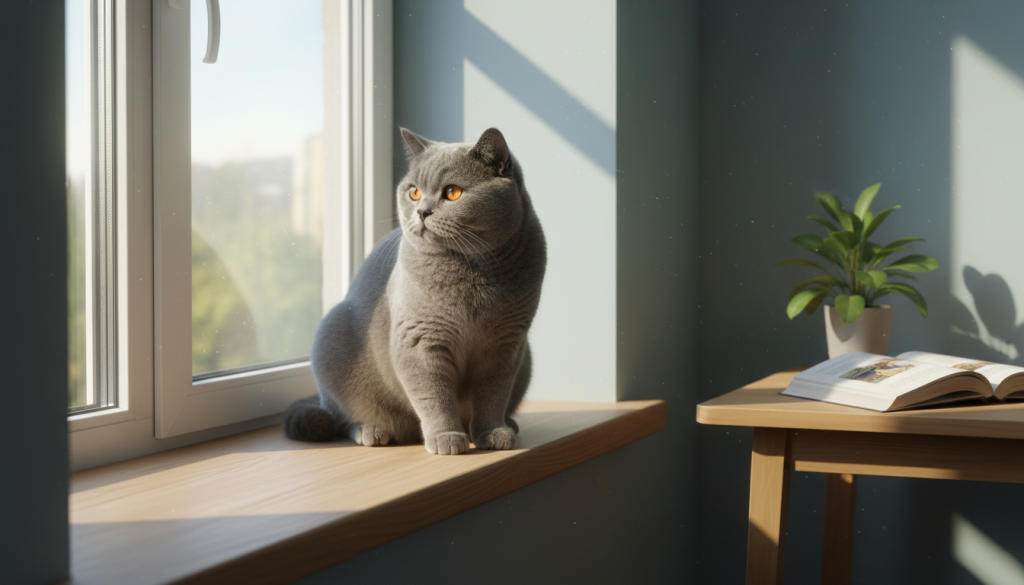
Circadian rhythms are biological timing systems regulated by the brain and influenced primarily by light and darkness. They coordinate:
- Sleep–wake cycles
- Hunger and digestion
- Hormone release (including cortisol and melatonin)
- Body temperature and metabolism
In pets, these rhythms evolved to support hunting, foraging, rest, and recovery in predictable environmental patterns.
How Circadian Rhythms Affect Appetite

Hunger Isn’t Random
Pets often feel hungry at the same times each day because circadian signals regulate:
- Digestive enzyme release
- Gut motility
- Insulin sensitivity and nutrient utilization
Feeding at consistent times helps synchronize digestion and metabolism.
Quick Tip Box – Appetite Rhythm Clues:
- Anticipatory behavior before meals
- Improved digestion with routine feeding
- Less begging or scavenging when meals are predictable
Irregular feeding schedules can confuse hunger signals, sometimes leading to overeating or disinterest in food.
Energy Levels and Daily Activity Patterns

Circadian rhythms influence when pets feel most alert or active.
Dogs
- Tend to be more diurnal, aligning activity with household routines
- Energy peaks often occur in the morning and early evening
Cats
- Naturally crepuscular, with activity spikes at dawn and dusk
- Energy bursts reflect hunting instincts and sensory readiness
When activity opportunities don’t match these peaks, energy may spill over as restlessness or nighttime disruption.
Sleep Quality and Internal Timing
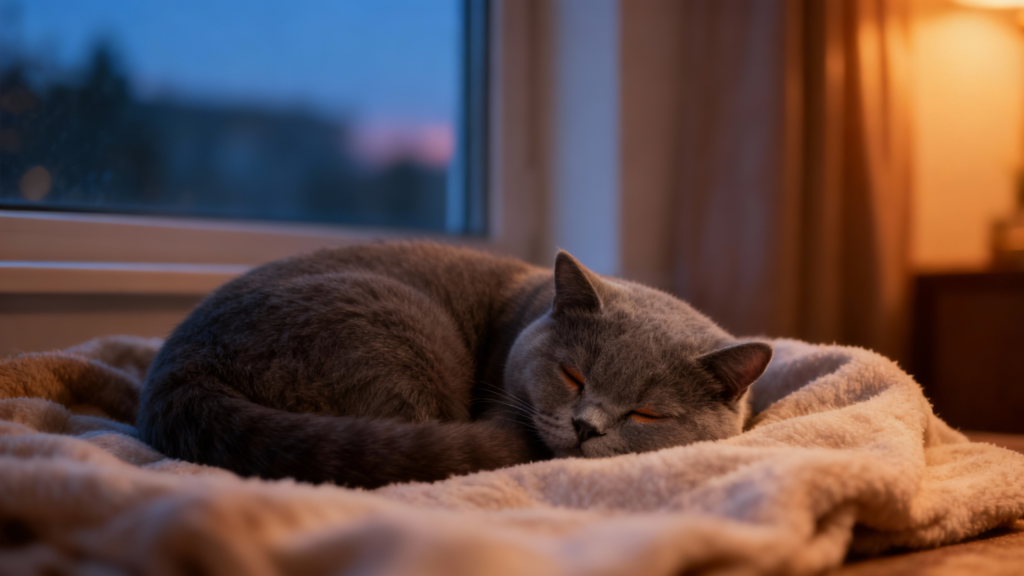
Sleep isn’t just about duration, it’s about timing and consistency.
Circadian rhythms regulate:
- When pets feel ready to sleep
- Depth and cycling of sleep stages
- Transitions between rest and alertness
Disruptions—such as late-night activity, irregular lighting, or inconsistent routines—can fragment sleep and reduce its restorative value.
Quick Tip Box – Signs of Rhythm-Disrupted Sleep:
- Difficulty settling at night
- Frequent nighttime waking
- Daytime lethargy paired with evening restlessness
Light Exposure: The Primary Time Signal

Light is the strongest environmental cue for circadian rhythms.
- Natural daylight reinforces healthy timing
- Artificial light at night can suppress melatonin
- Constant indoor lighting may blur day–night signals
For indoor pets, especially cats, limited exposure to natural light can exaggerate sleep and energy irregularities.
Quick Tip Box – Supporting Healthy Light Cues:
- Open curtains during daylight hours
- Dim lights in the evening
- Keep sleeping areas dark and quiet at night
Stress, Hormones, and Rhythm Disruption
Stress can interfere with circadian regulation by altering hormone release.
- Elevated cortisol can delay sleep readiness
- Anxiety may shift appetite timing
- Chronic stress can flatten normal energy peaks
Pets experiencing frequent routine changes, noise exposure, or social tension may show disrupted rhythms as a result.
Aligning Daily Care With Natural Rhythms
Supporting circadian health doesn’t require strict schedules consistency and awareness matter most.

Practical Daily Habits
- Feed meals at roughly the same times each day
- Schedule walks or play during natural energy peaks
- Encourage calm routines before bedtime
- Maintain predictable sleep environments
- Avoid overstimulation late in the evening
Small, repeatable habits help reinforce the internal clock.
When Rhythm Changes May Signal a Problem
Consult a veterinarian if you notice:
- Sudden changes in sleep–wake patterns
- Appetite shifts paired with weight loss or gain
- Disorientation at night, especially in senior pets
- Persistent lethargy or hyperactivity
Circadian disruption can sometimes reflect underlying medical or cognitive issues.
References
- Refinetti, R. (2016). Circadian Physiology. 3rd Edition. CRC Press.
- Piccione, G., et al. (2010). Daily rhythms of activity and rest in dogs and cats. Journal of Veterinary Behavior, 5(1), 1–7.
- Opp, M. R. (2009). Sleep and circadian regulation of immune function. Immunology and Allergy Clinics of North America, 29(2), 269–285.
- Landsberg, G. M., et al. (2012). Behavioral and circadian changes in aging pets. Journal of Veterinary Behavior, 7(4), 202–213.
Conclusion
Circadian rhythms quietly shape your pet’s appetite, energy, and sleep every day. When daily routines align with these internal clocks, pets tend to eat more consistently, rest more deeply, and maintain balanced energy levels. By supporting predictable feeding times, appropriate activity windows, natural light exposure, and calming evenings, owners can work with biology, not against it, to promote long-term comfort and wellbeing.