Supporting Recovery in Active Dogs: Beyond Rest and Water
Written by MyCern Research & Editorial Team
After a long hike, an agility session, or an enthusiastic game of fetch, most dog owners assume that rest and water are all their dog needs to recover. While these basics are essential, recovery is a complex biological process involving muscles, joints, metabolism, and the nervous system. How well a dog recovers influences not only next-day energy, but also long-term mobility, resilience, and injury risk.
Understanding recovery beyond rest helps owners support active dogs, whether weekend adventurers, working dogs, or energetic companions, in a way that promotes comfort and longevity.
This article explores:
- What “recovery” really means in an active dog’s body
- How muscles, joints, and metabolism repair after activity
- Common factors that slow recovery
- Nutrition and movement strategies that support repair
- Practical daily habits to help dogs recover naturally
What Happens Inside an Active Dog’s Body After Exercise
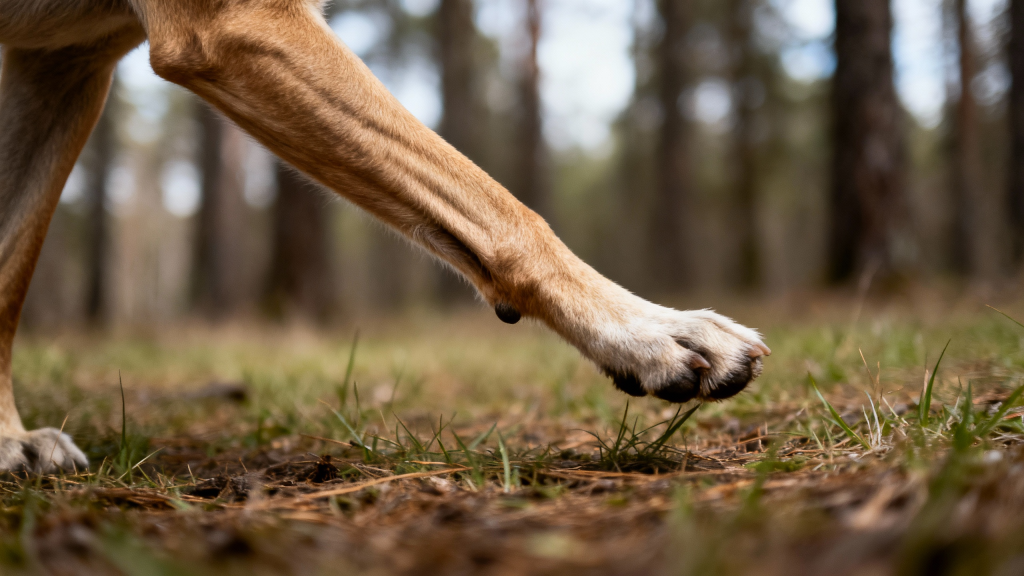
Physical activity places controlled stress on the body. During movement:
- Muscle fibers experience microscopic strain
- Joints absorb repeated impact and load
- Energy stores (glycogen) are depleted
- Heat and metabolic byproducts increase
Recovery is the phase where the body repairs tissue, restores energy, and adapts, making the dog stronger and more efficient for future activity.
Without proper recovery support, this stress can accumulate.
Muscle and Joint Recovery: More Than “Sleeping It Off”
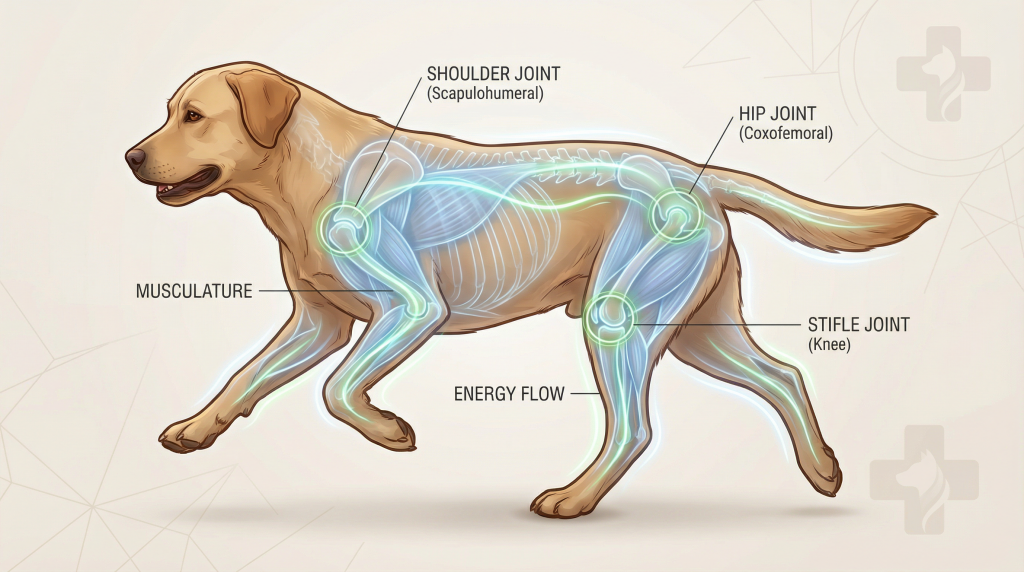
Muscle Repair
After activity, muscles require:
- Protein availability to rebuild fibers
- Adequate circulation to deliver nutrients
- Time in low-stress states to complete repair
Stiffness the next day often reflects incomplete recovery rather than “normal soreness.”
Joint Recovery
Joints rely on:
- Synovial fluid movement for lubrication
- Balanced load distribution
- Reduced inflammation after activity
High-impact play without recovery increases long-term joint strain.
Quick Tip Box – Signs Recovery May Be Incomplete:
- Stiffness when standing up
- Slower movement the day after activity
- Hesitation with stairs or jumping
- Reduced enthusiasm for exercise
Active Recovery: Why Gentle Movement Matters
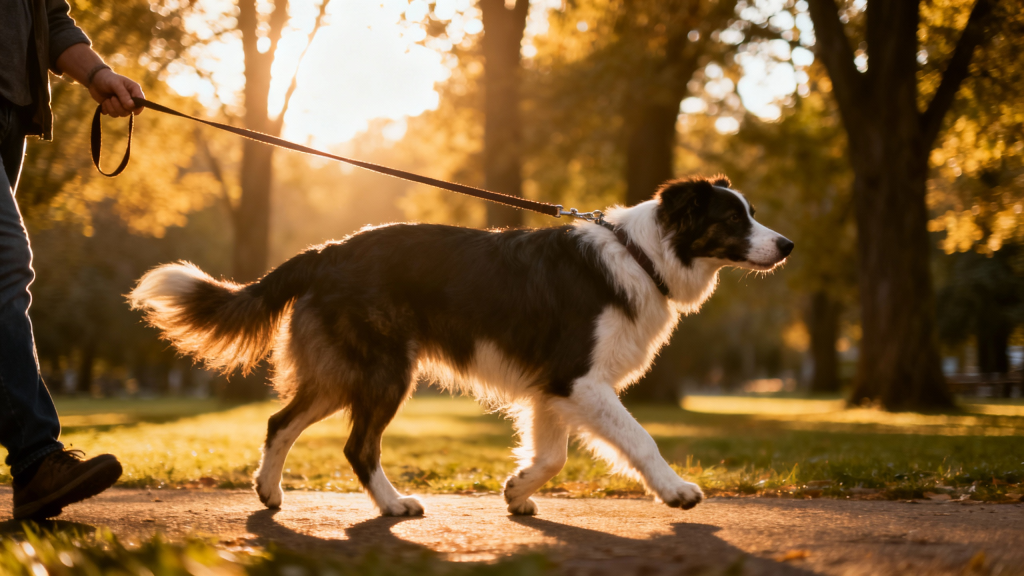
Complete inactivity isn’t always ideal. Active recovery helps the body reset:
- Short, slow walks increase blood flow
- Gentle movement supports joint lubrication
- Light activity reduces muscle tightness
This is especially important for dogs that engage in:
- Agility or sport training
- Long hikes or running
- Repetitive fetch or ball play
Quick Tip Box – Active Recovery Ideas:
- 10–15 minute leash walks at an easy pace
- Sniffing walks for mental engagement without strain
- Controlled stretching through natural movements (no forced stretching)
Nutrition’s Role in Recovery
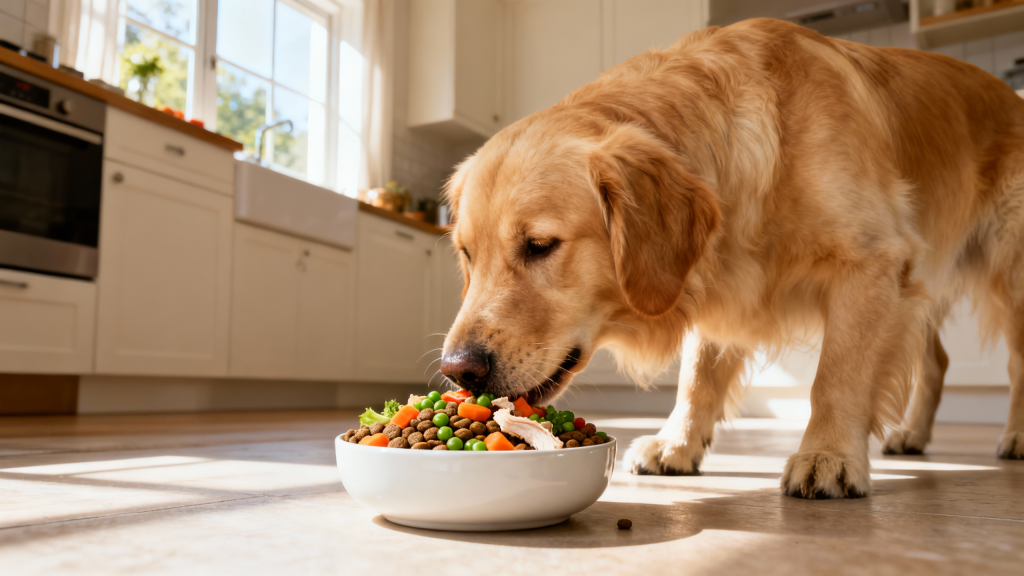
Food provides the building blocks for repair.
Key Nutritional Factors
- Protein quality: Supports muscle repair
- Balanced fats: Help manage post-activity inflammation
- Micronutrients: Minerals and antioxidants support cellular recovery
- Hydration + electrolytes: Support circulation and muscle function
Feeding timing matters—meals too close to intense activity can disrupt digestion, while long delays may slow replenishment.
The Nervous System and Recovery
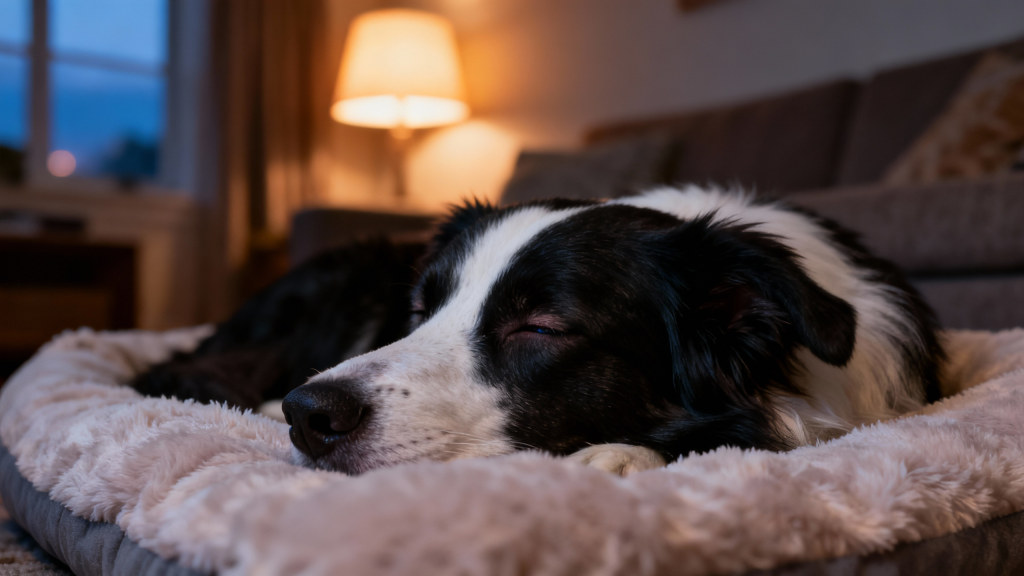
Recovery isn’t just physical, it’s neurological.
- High-arousal activities elevate stress hormones
- Dogs need calm periods to shift into recovery mode
- Overstimulation can delay physical repair
Dogs that seem “wired” after exercise may benefit from structured calm, not more activity.
Quick Tip Box – Encouraging Calm After Activity:
- Quiet rest areas away from noise
- Calm voice and predictable routines
- Chewing or licking activities that promote relaxation
Daily Habits That Support Faster Recovery
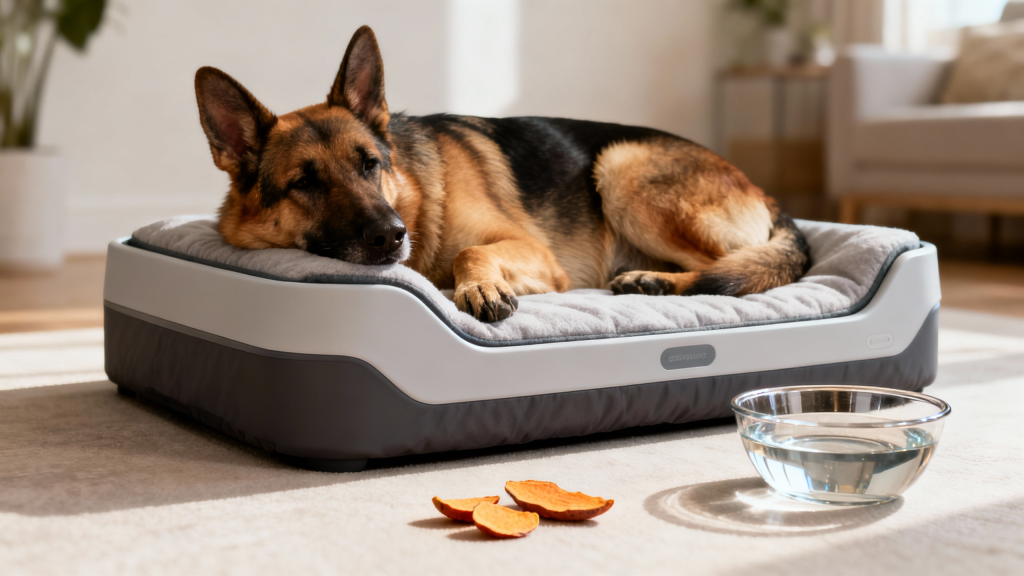
- Consistent routines: Predictability supports hormonal balance
- Comfortable resting surfaces: Support joints and pressure points
- Temperature management: Avoid overheating during and after activity
- Weight management: Reduces joint and muscle load
- Regular health checks: Identify mobility or pain issues early
Recovery quality often reflects how well daily habits align with a dog’s activity level.
When Recovery Needs Extra Attention
Consult a veterinarian if you notice:
- Persistent limping or stiffness
- Declining performance or endurance
- Pain responses during normal movement
- Behavioral changes after activity
Early intervention helps prevent minor strain from becoming chronic injury.
References
- Millis, D. L., & Levine, D. (2014). Canine Rehabilitation and Physical Therapy. Elsevier.
- McGowan, C. M., et al. (2019). Exercise physiology and recovery in working dogs. Veterinary Journal, 247, 1–7.
- Tipton, K. D. (2015). Nutritional support for muscle recovery. Journal of Sports Sciences, 33(1), 1–10.
- Bockstahler, B., et al. (2016). Influence of activity and rest on joint health in dogs. Veterinary Clinics of North America: Small Animal Practice, 46(5), 893–908.
Conclusion
Supporting recovery in active dogs goes far beyond rest and water. Muscle repair, joint comfort, metabolic balance, and nervous system calm all play a role in how well a dog bounces back after activity. By combining thoughtful nutrition, gentle movement, calm environments, and consistent routines, owners can help their dogs stay active, comfortable, and resilient for years to come.