
Chronic Ear Infections in Dogs: Why They Keep Coming Back
Written by MyCern Research & Editorial Team
Ear infections are one of the most frequent and frustrating issues faced by dog owners. While a single episode may resolve with treatment, some dogs experience infections that return again and again. These recurrent cases are rarely caused by a single factor. Instead, they reflect a combination of anatomical, environmental, microbial, and immune-related influences that create a cycle of irritation and inflammation.
Understanding why ear infections recur requires looking beyond surface symptoms. Chronic ear disease often signals deeper imbalances that affect how the ear canal responds to moisture, allergens, and normal microbial populations.
This article explores:
- Why some dogs are prone to repeated ear infections
- The role of allergies and immune sensitivity
- How yeast and bacteria contribute to chronic inflammation
- Why moisture and ear anatomy matter
- Long-term considerations for reducing recurrence
Why Some Ear Infections Become Chronic
Acute ear infections typically arise when the ear canal environment becomes favorable for microbial overgrowth. Chronic ear infections develop when underlying predisposing factors remain unaddressed, allowing inflammation and infection to re-establish repeatedly.
Each episode can alter the ear canal’s structure, making it thicker, less ventilated, and more vulnerable to future flare-ups. Over time, this creates a self-perpetuating cycle.
The Influence of Ear Anatomy and Moisture
Dogs with long, floppy ears or narrow ear canals often have reduced airflow, which traps moisture and warmth. This environment supports the growth of yeast and bacteria that are normally present in small, balanced amounts.
Frequent swimming, bathing, or humid climates can further increase moisture levels, especially if ears do not dry fully. Moisture alone does not cause infection, but it significantly lowers the threshold for microbial imbalance.
Allergies as a Major Underlying Trigger

Allergies are one of the most common drivers of chronic ear disease in dogs. Environmental allergens such as pollen, dust mites, or molds can trigger inflammatory responses in the skin lining the ear canal.
Food sensitivities may also contribute by promoting systemic inflammation that affects the ears as part of the skin system. In allergic dogs, even minor microbial changes can provoke disproportionate inflammation.
Yeast and Bacterial Overgrowth
The canine ear naturally hosts microorganisms that coexist without causing disease. Problems arise when inflammation alters the ear canal environment, allowing yeast or bacteria to proliferate excessively.
Yeast-related infections often produce thick discharge and a characteristic odor, while bacterial infections may cause more pronounced pain and swelling. In chronic cases, mixed infections are common, complicating management.
Immune Factors and Inflammatory Persistence
The immune system plays a central role in determining whether an ear infection resolves or recurs. Dogs with heightened immune reactivity may respond excessively to normal stimuli, sustaining inflammation even after microbes are reduced.
Repeated inflammation can damage the ear canal lining, impairing its natural barrier function and making future infections more likely.
Why Repeated Treatment Alone May Not Solve the Problem
Treating each infection as an isolated event often provides temporary relief without addressing the underlying cause. Without managing allergies, moisture exposure, or immune imbalance, infections tend to return.
Additionally, repeated inflammation can lead to structural changes that reduce treatment effectiveness over time.
Supporting Long-Term Ear Health
Reducing recurrence focuses on environmental management, routine monitoring, and addressing predisposing factors. This may include controlling allergen exposure, maintaining appropriate ear hygiene, and minimizing excess moisture.
Consistency and early intervention at the first signs of irritation help prevent minor flare-ups from progressing into full infections.
When Veterinary Evaluation Is Essential
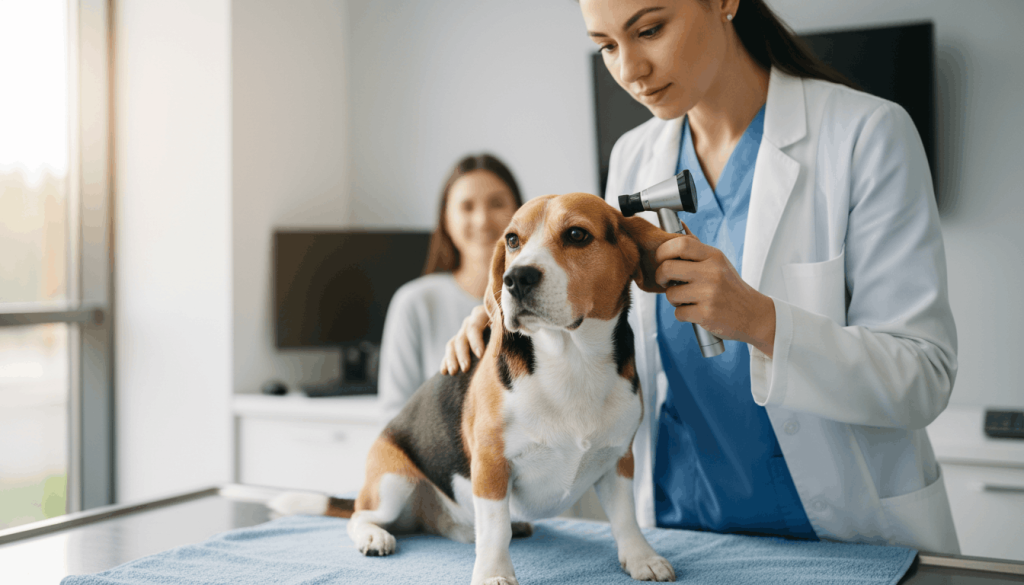
Chronic or recurrent ear infections always warrant veterinary involvement. Persistent inflammation may require diagnostic testing to identify underlying allergies, resistant organisms, or structural changes within the ear canal.
Early and thorough evaluation supports better long-term outcomes and helps protect hearing and comfort.
Conclusion
Chronic ear infections in dogs are rarely the result of bad luck or incomplete treatment. They are usually the outward expression of deeper factors such as allergies, immune sensitivity, moisture retention, and microbial imbalance. By understanding why infections recur and addressing these root contributors, pet owners can better support lasting ear comfort and reduce the cycle of repeated flare-ups.
References
- Rosser, E. J. (2004). Causes of otitis externa in dogs. Veterinary Clinics of North America: Small Animal Practice, 34(2), 459–468.
- Nuttall, T. (2023). Managing recurrent otitis externa in dogs: what have we learned and what can we do better?. Journal of the American Veterinary Medical Association, 261(S1), S10-S22.
- Marsella, R., Sousa, C. A., Gonzales, A. J., & Fadok, V. A. (2012). Current understanding of the pathophysiologic mechanisms of canine atopic dermatitis. Journal of the American Veterinary Medical Association, 241(2), 194-207.
- Externa, B. O. Otitis Externa: A Practical Guide to Treatment and Prevention.
- Colombini, S. A. R. A. H., Merchant, S. R., & Hosgood, G. I. S. E. L. L. E. (2000). Microbial flora and antimicrobial susceptibility patterns from dogs with otitis media. Veterinary Dermatology, 11(4), 235-239.

