

Why Does My Dog Chew His Nails? Stress, Skin Irritation, and Grooming Clues
Written by MyCern Research & Editorial Team
Dogs have many quirky habits, but one that often puzzles owners is nail chewing. Whether it’s occasional or persistent, biting their nails can indicate anything from grooming needs to emotional stress. Understanding why dogs chew their nails can help you support their health, comfort, and overall well-being.
This article explores:
- the most common dog nail chewing causes
- how stress and anxiety influence nail-biting
- signs of skin irritation or infection
- grooming tips and behavioral strategies
Understanding Why Dogs Chew Their Nails
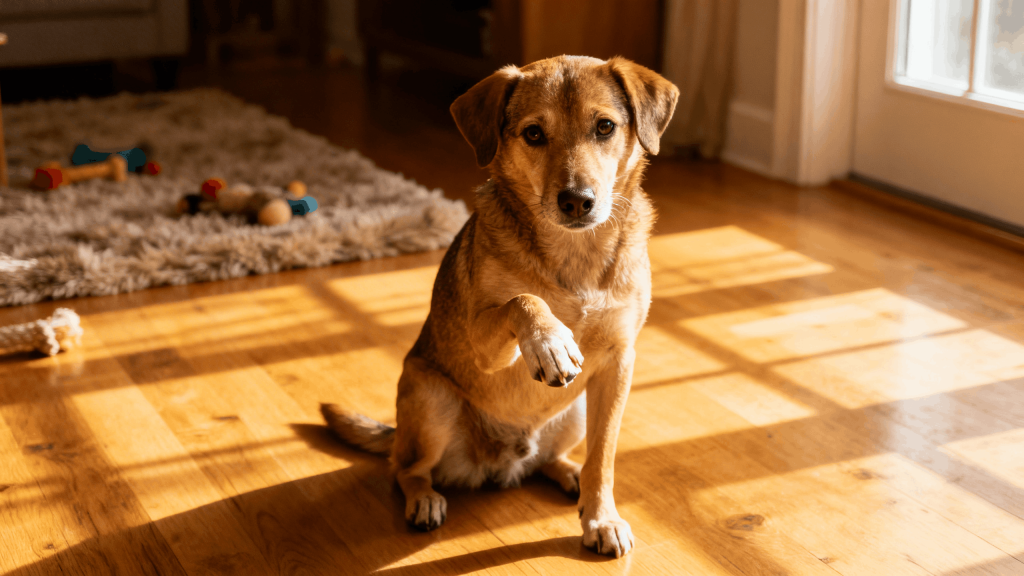
Dogs often chew their nails for a combination of physical and emotional reasons. Unlike humans, nail biting in dogs can be a signal that something is off either physically, mentally, or environmentally.
Some common explanations include:
- Stress or anxiety
- Skin irritation or allergies
- Overgrown nails or grooming discomfort
Recognizing the underlying cause is the first step to helping your dog feel comfortable and secure.
1. Stress and Anxiety
Nail chewing can be a coping mechanism for stress or boredom. Dogs experiencing anxiety may engage in repetitive behaviors like nail chewing, licking, or pacing.
Signs that nail biting is stress-related include:
- Chewing multiple paws or nails
- Restlessness or pacing
- Shyness or withdrawal in new environments
Addressing stress through play, exercise, enrichment toys, and positive routines can reduce anxiety-driven nail chewing.
2. Skin Irritation or Allergies
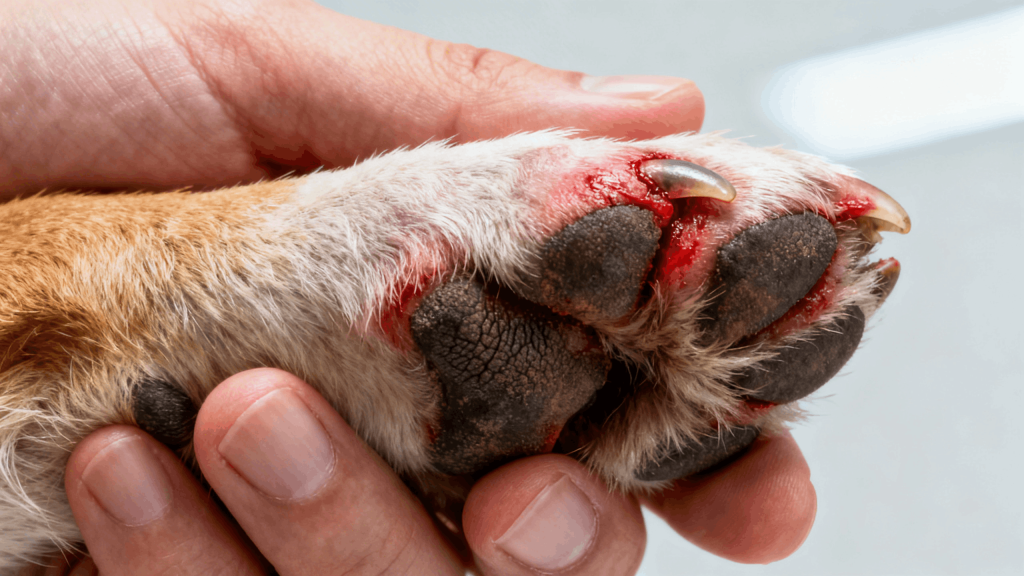
Sometimes nail chewing is not behavioral, it’s medical. Dogs may chew their nails or paws due to:
- Allergic reactions (food, pollen, or environmental allergens)
- Infections (bacterial or fungal)
- Dry or irritated skin around the nails
If nail chewing is accompanied by redness, swelling, or odor, a veterinary check-up is recommended to rule out infection or skin conditions.
3. Grooming and Nail Length
Overgrown nails can cause discomfort when walking or running, prompting dogs to chew them. Regular trimming and paw care help prevent:
- Pain or pressure on the nail bed
- Splitting or cracking of nails
- Secondary skin irritation
Providing regular grooming sessions can reduce nail chewing and promote healthy paw hygiene.
4. Attention-Seeking or Habitual Behavior
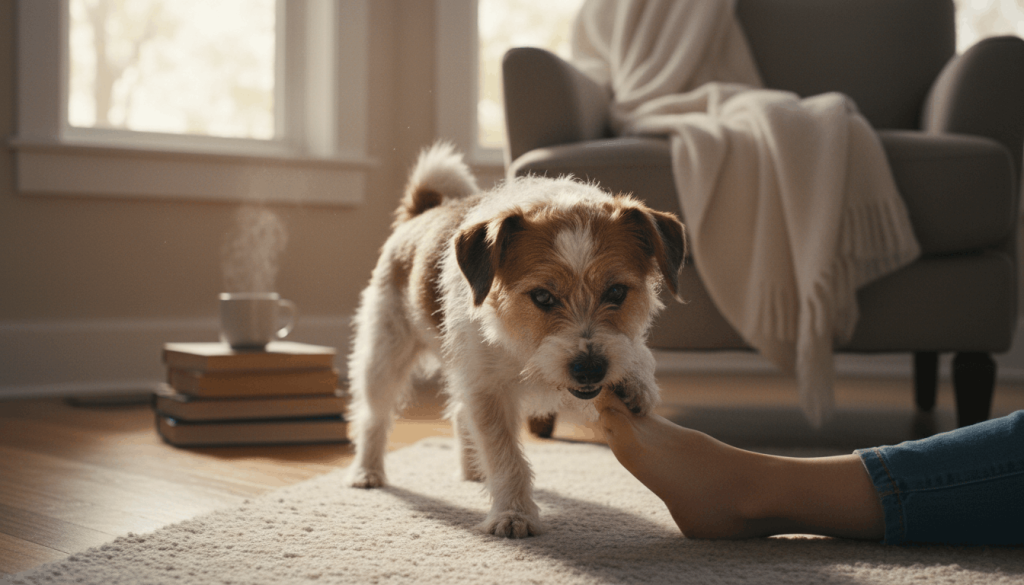
Dogs quickly learn that chewing nails may get a reaction from their owners whether it’s laughter, petting, or scolding. Over time, it can become a habitual or attention-seeking behavior, especially in puppies or young dogs.
How to Respond to Nail Chewing
- Observe the behavior to determine if it’s stress, medical, or grooming-related
- Provide mental stimulation and exercise to reduce stress-related chewing
- Keep nails trimmed and clean to minimize discomfort
- Consult a veterinarian if chewing is frequent, excessive, or accompanied by signs of infection
Frequently Asked Questions
1. Why does my dog chew his nails?
Dogs chew their nails due to stress, anxiety, irritation, overgrown nails, or skin conditions. Observation is key to identifying the cause.
2. Is nail chewing a sign of stress?
Yes. Stress and boredom can trigger repetitive behaviors, including nail chewing. Signs include pacing, restlessness, and chewing multiple paws.
3. Can allergies cause my dog to bite his nails?
Absolutely. Allergies, infections, or dry skin can make nails and paws itchy, prompting dogs to chew them.
4. How do I stop my dog from chewing his nails?
Address the underlying cause: trim nails regularly, provide enrichment and exercise, reduce stress, and consult a vet if medical issues are suspected.
5. Is it normal for puppies to chew their nails?
Yes. Puppies often explore their paws and nails as part of normal grooming and teething behavior, but excessive chewing should be monitored.

Key Takeaways
Nail chewing in dogs can indicate stress, skin irritation, or grooming needs. Observing your dog’s behavior, maintaining proper nail care, and addressing emotional or medical triggers can help reduce nail chewing. Regular attention, enrichment, and veterinary guidance ensure your dog stays comfortable, healthy, and happy.
References
- Quinn, R., Masters, S., Starling, M., White, P. J., Mills, K., Raubenheimer, D., & McGreevy, P. (2025). Functional significance and welfare implications of chewing in dogs (Canis familiaris). Frontiers in Veterinary Science, 12, 1499933.
- Arhant, C., Winkelmann, R., & Troxler, J. (2021). Chewing behaviour in dogs–A survey-based exploratory study. Applied Animal Behaviour Science, 241, 105372.
- Lenkei, R., Faragó, T., Bakos, V., & Pongrácz, P. (2021). Separation-related behavior of dogs shows association with their reactions to everyday situations that may elicit frustration or fear. Scientific Reports, 11(1), 19207.
- Krichbaum, S., Ramey, C., Cox, E., & Lazarowski, L. (2023). No bones about it: the effect of chewing on cognition in dogs. Applied Animal Behaviour Science, 268, 106078.

