Periodontal Disease in Pets: How Oral Health Impacts the Whole Body
Written by MyCern Research & Editorial Team
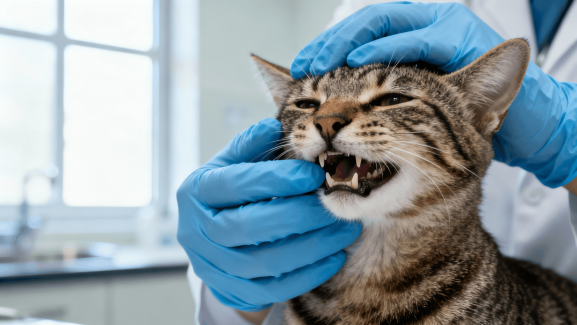
Oral health in pets is often viewed as a localized issue bad breath, plaque buildup, or gum irritation. However, periodontal disease extends far beyond the mouth. Chronic inflammation in the gums can influence systemic immune responses, affecting organs such as the heart and kidneys over time.
Periodontal disease is one of the most common chronic conditions in adult dogs and cats. Its significance lies not only in local discomfort, but in the way oral inflammation contributes to whole-body physiological stress. Understanding this connection highlights why oral health plays a central role in long-term wellness.
This article explores:
- What periodontal disease involves at a biological level
- How oral bacteria and inflammation spread systemically
- The connection between periodontal disease and heart health
- How kidney function may be affected by chronic oral inflammation
- Why managing oral health supports overall resilience
What Is Periodontal Disease?
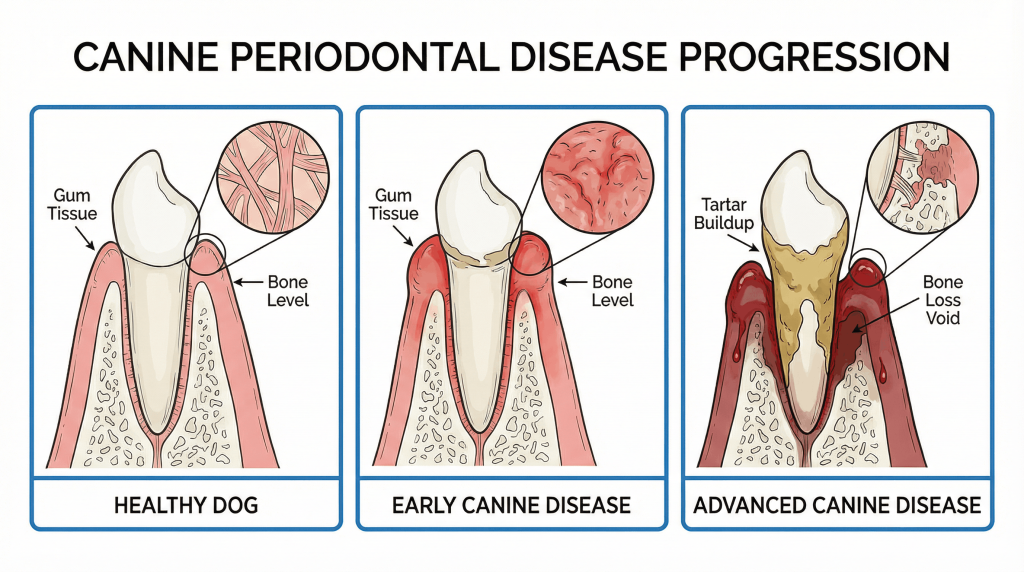
Periodontal disease refers to the progressive inflammation and destruction of the tissues that support the teeth, including gums, ligaments, and bone. It begins with plaque accumulation and advances as bacteria trigger an immune response in the gum tissue.
Over time, this chronic inflammatory state leads to tissue breakdown, tooth instability, and ongoing bacterial exposure.
Oral Bacteria and the Inflammatory Response
The mouth contains a complex microbial community. When plaque accumulates, harmful bacteria proliferate and stimulate immune cells within the gums.
This immune activation produces inflammatory mediators that:
- Damage local tissue
- Increase gum permeability
- Allow bacteria and toxins to enter the bloodstream
This process, known as transient bacteremia, links oral health to systemic exposure.
Systemic Inflammation and Immune Activation

Once inflammatory signals enter circulation, they do not remain confined to the mouth. Chronic immune activation places sustained stress on the body’s regulatory systems.
Low-grade systemic inflammation is increasingly recognized as a contributor to age-related disease processes in pets, including cardiovascular and renal dysfunction.
The Connection Between Periodontal Disease and Heart Health
The cardiovascular system is particularly sensitive to inflammatory burden. Inflammatory mediators originating from periodontal tissue can influence vascular function and cardiac workload.
In dogs especially, studies have associated severe periodontal disease with changes in heart structure and function, suggesting that chronic oral inflammation may exacerbate existing cardiac vulnerabilities.
Kidney Health and Oral Inflammation
The kidneys continuously filter blood, making them susceptible to circulating bacteria and inflammatory byproducts. Repeated exposure can place additional strain on renal tissue over time.
In cats, where chronic kidney disease is common, minimizing systemic inflammatory sources including oral disease, may help reduce cumulative renal stress.

Why Periodontal Disease Often Goes Unnoticed
Pets rarely show obvious signs of oral discomfort. They continue to eat despite gum pain, allowing disease to progress silently.
Because periodontal disease advances gradually, owners may not recognize the systemic implications until secondary organ effects emerge.
Long-Term Health Implications
Periodontal disease represents a chronic inflammatory load that compounds with other age-related changes. Left unmanaged, it may influence multiple systems simultaneously, accelerating physiological decline.
Maintaining oral health therefore supports more than comfort, it contributes to systemic balance.
Monitoring and Veterinary Evaluation
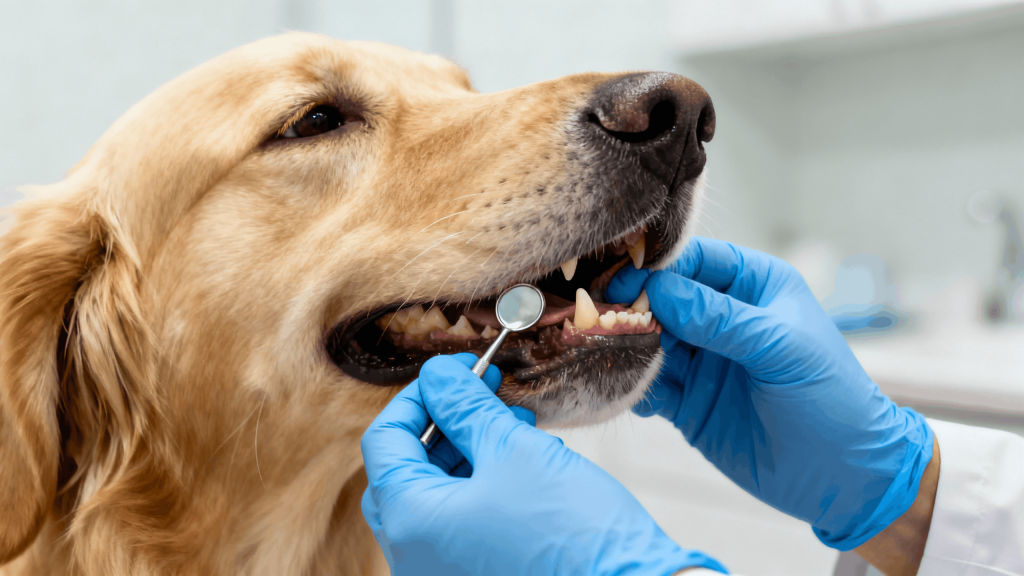
Routine oral examinations allow for early detection of gum inflammation and tissue changes. Identifying periodontal disease early reduces the duration and intensity of systemic exposure.
Ongoing assessment is particularly important for senior pets and those with pre-existing heart or kidney conditions.
Conclusion
Periodontal disease is not confined to the mouth. Through systemic inflammation and bacterial exposure, oral disease can influence heart function, kidney health, and overall immune balance. Recognizing oral health as a whole-body issue reframes its importance in long-term pet wellness. By addressing periodontal disease proactively, pet owners help support not only dental comfort, but broader physiological resilience.
References
- Glickman, Lawrence T., et al. “Evaluation of the risk of endocarditis and other cardiovascular events on the basis of the severity of periodontal disease in dogs.” Journal of the American Veterinary Medical Association 234.4 (2009): 486-494.
- DeBowes, Linda J., et al. “Association of periodontal disease and histologic lesions in multiple organs from 45 dogs.” Journal of veterinary dentistry 13.2 (1996): 57-60.
- Pavlica, Zlatko, et al. “Periodontal disease burden and pathological changes in organs of dogs.” Journal of veterinary dentistry 25.2 (2008): 97-105.
- Hall, Jean A., et al. “The impact of periodontal disease and dental cleaning procedures on serum and urine kidney biomarkers in dogs and cats.” Plos one 16.7 (2021): e0255310.
- Niemiec, Brook A. “Periodontal disease.” Topics in companion animal medicine 23.2 (2008): 72-80.