
Cat Litter Box Problems: 5 Reasons Your Cat is Avoiding the Box (and How to Fix It)
Written by MyCern Research & Editorial Team
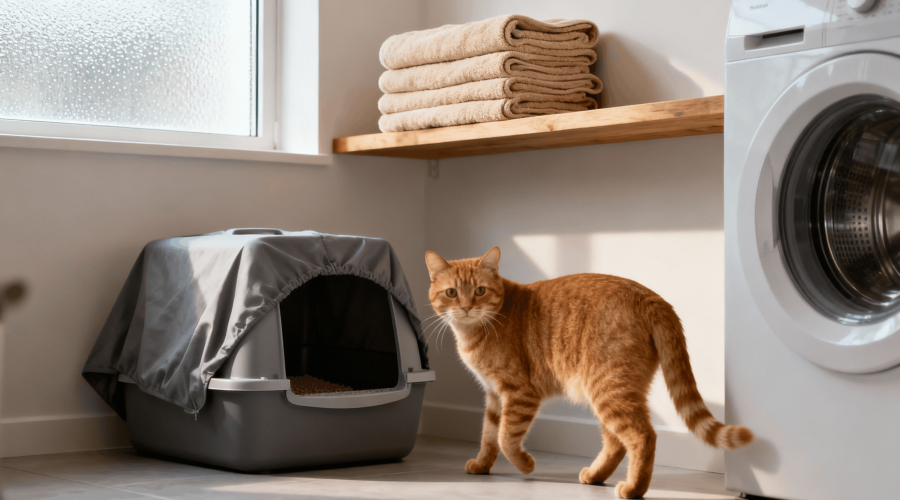
Finding issues outside the box is one of the most annoying things that can happen to cat owners. Cat litter box problems are one of the most prevalent health and behavior issues that pet owners tell their vets about. They are almost never caused by “bad behavior.”
When a cat is not using the litter box, it’s usually because of stress, pain, or a litter box that isn’t set up correctly. Owners may fix problems early and protect their cats’ mental and physical health by knowing what really causes cat litter box difficulties.
This article talks about:
- how stress changes how people normally litter
- health problems that come from not using the litter box
- typical blunders that make cats stressed out in the litter box
- how to stop cat litter problems from happening over and over again at home
Why cat litter box problems deserve medical attention
Cats really like to use a clean, pleasant place to go to the bathroom. If your cat suddenly stops using the box, it’s usually because the box or the process of going to the bathroom has become unpleasant.
It’s important to note that many medical disorders might initially show up as problems with the cat litter box, long before any other signs of disease show up. This is why you should always treat cat litter box problems seriously.
Stress and emotional triggers
One of the most prominent contributors of litter box stress in cats is change within the surroundings.
Cats rely significantly on predictability. Even modest interruptions might impact elimination behavior, including:
- relocating furniture or modifying room access
- new pets or household members
- loud noises or nearby construction
- disrupted daily habits
Stress increases the feline stress response, which can affect urine and feces patterns and diminish a cat’s propensity to use tight places.
In multi-cat families, competition for resources typically plays a hidden role. Blocking access, silent intimidation, or territorial tension may cause a cat not using the litter box simply because approaching the box feels risky.
Health conditions linked to litter box avoidance
Many owners assume accidents are behavioral, although medical conditions are a prevalent source of cat litter issues.
Pain or pain during urination or feces can quickly build unpleasant connections with the box. Conditions typically connected with cat litter box problems include:
- feline lower urinary tract disease
- bladder irritation
- constipation and megacolon
- arthritis and restricted mobility
- gastrointestinal discomfort
For example, cats with joint pain may struggle to step into high-sided boxes, while cats with urinary discomfort may avoid the box where pain occurred.
If you see a cat not using the litter box alongside straining, vocalization, frequent excursions to the box, or reduced appetite, veterinary evaluation is strongly indicated.
Setup mistakes that trigger cat litter box issues
Even healthy, relaxed cats may have cat litter box issues when the box configuration does not fulfill their physical and sensory needs.
Box size and design
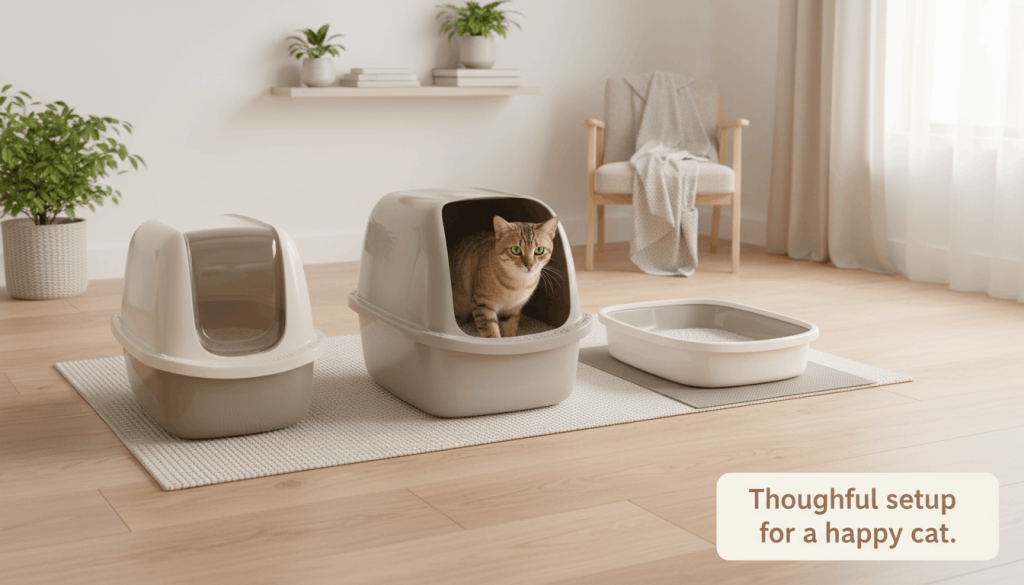
Many commercial boxes are too small. Cats require space to spin, dig, and position themselves comfortably. Small boxes enhance discomfort and raise the likelihood of elimination outside the box.
High entry walls can also contribute to cat litter issues in geriatric or mobility-limited cats.
Location and privacy
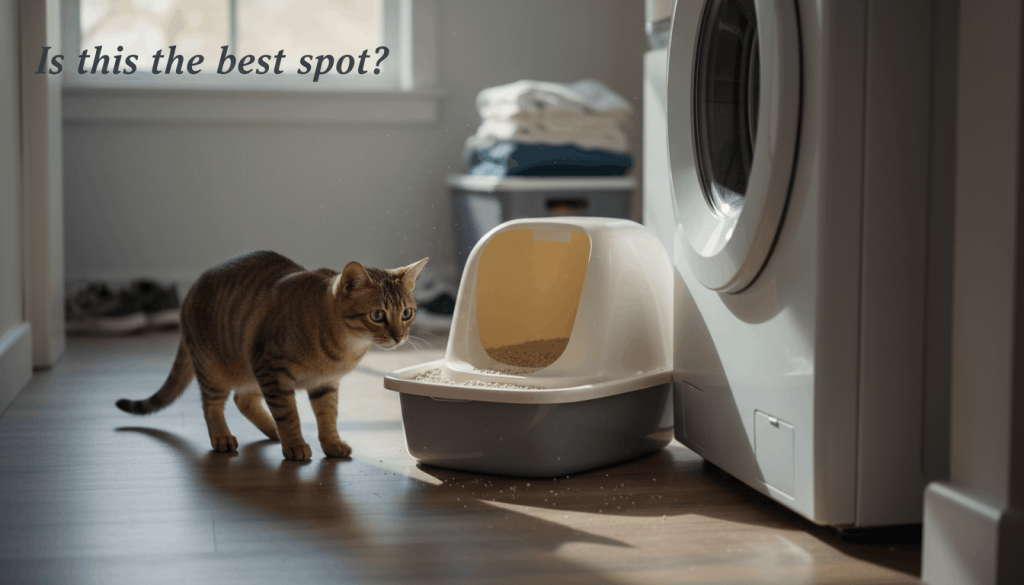
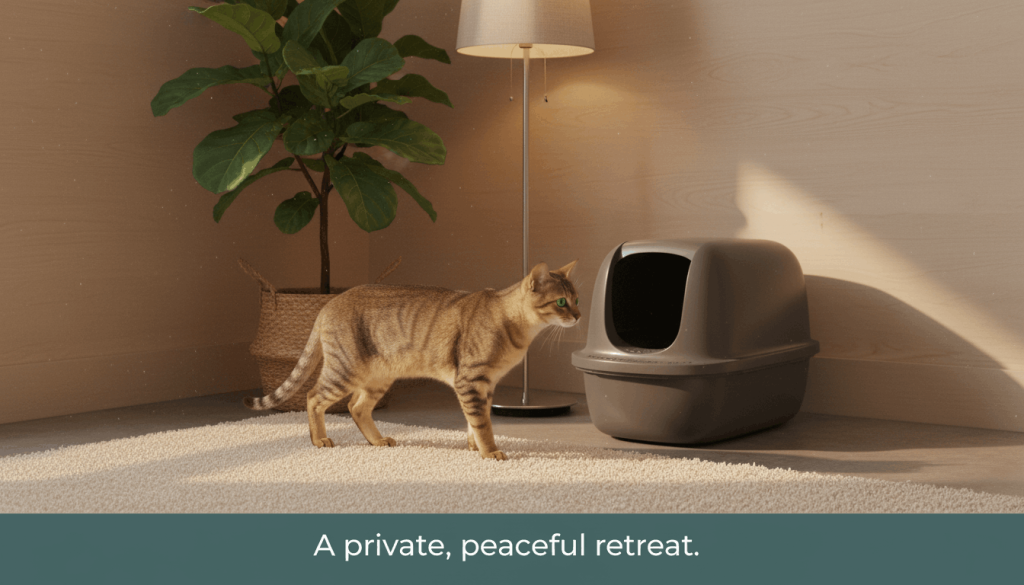
Placing the box in noisy, high-traffic places might produce severe litter box stress in cats. Cats enjoy quiet, predictable settings where they may approach and go without being shocked.
Boxes located near loud appliances, doors, or feeding stations may discourage continuous use.
Cleaning frequency
Cats are particularly sensitive to odor. Infrequent scooping or total litter replacement can promote rapid development of cat litter box problems, especially in multi-cat households.
Litter texture and sensory comfort
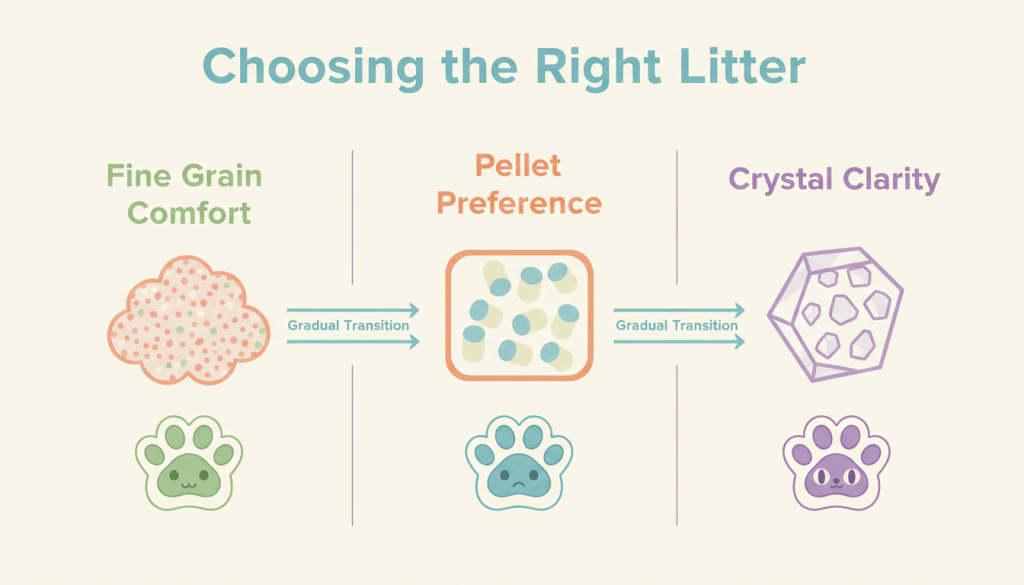
Beyond cleanliness, trash texture strongly determines acceptability. Some cats reject specific textures because of paw sensitivity, past unpleasant experiences, or smell additions.
Abrupt litter changes are a common trigger for cat litter issues. Gradual transitions are more likely to maintain consistent use.
How MyCern supports emotional and physical balance
At MyCern, our wellness philosophy acknowledges that elimination practices reflect both physical and mental systems. Stress signaling, immunological balance, and digestive comfort all interact with litter patterns.
Supporting internal resilience and daily balance may help lessen the impact of environmental stresses that contribute to litter box stress in cats, while maintaining comfort supports healthy elimination behavior.
Practical steps to reduce cat litter box problems
To prevent ongoing cat litter box problems, focus on:
- supplying one box per cat plus one additional
- using large, open boxes whenever possible
- placing boxes in peaceful, accessible locations
- keeping constant daily scoops
- shifting litter types gradually
- ensuring easy entry for older cats
Small adjustments can significantly reduce recurring cat litter box issues when combined with health screening.
Frequently Asked Questions
Why is my cat not using the litter box all of a sudden?
Sudden avoidance often signals discomfort, stress, or an environmental shift. Medical issues should always be ruled out first when a cat is not utilizing the litter box.
Can stress alone create cat litter box problems?
Yes. Environmental and social stress can promote incorrect elimination and contribute to recurrent litter box stress in cats.
Are cat litter box problems usual during aging?
Aging itself does not cause litter avoidance, but arthritis, cognitive changes, and less mobility might lead to cat litter box troubles if the setup is not modified.
How many litter boxes should I have?
The standard advice is one box per cat plus one extra to reduce competition and cat litter difficulties.
Conclusion
Cat litter box problems are rarely about stubbornness. They are often early symptoms of discomfort, tension, or improper setting. Whether a cat is not using the litter box due to health challenges, environmental pressures, or design faults, understanding the fundamental cause is vital for long-term success.
By addressing medical comfort, minimizing litter box stress in cats, and correcting common setup errors, owners can resolve most cat litter box issues and restore healthy, predictable elimination habits.
References
- Buffington, C. A. T. (2011). Idiopathic cystitis in domestic cats—Beyond the lower urinary tract. Journal of Veterinary Internal Medicine, 25(4), 784–796.
- Ellis, S. L. H., Rodan, I., Carney, H. C., Heath, S., Rochlitz, I., Shearburn, L. D., Sundahl, E., & Westropp, J. L. (2013). AAFP and ISFM feline environmental needs guidelines. Journal of Feline Medicine and Surgery, 15(3), 219–230.
- Siracusa, C. (Ed.). (2023). Canine and Feline Behavior, An Issue of Veterinary Clinics of North America: Small Animal Practice, E-Book: Canine and Feline Behavior, An Issue of Veterinary Clinics of North America: Small Animal Practice, E-Book (Vol. 54, No. 1). Elsevier Health Sciences.
- Osborne, C. A., John, M. K., & Jody, P. L. (1996). Feline lower urinary tract disorders: definition of terms and concepts. Veterinary Clinics: Small Animal Practice, 26(2), 169-179.
- Stella, J., Croney, C., & Buffington, T. (2013). Effects of stressors on the behavior and physiology of domestic cats. Applied animal behaviour science, 143(2-4), 157-163.

