

Best Senior Cat Food: Supporting Health, Comfort, and Vitality in Aging Cats
Written by MyCern Research & Editorial Team
As cats grow older, their nutritional needs change in subtle but important ways. What worked well during adulthood may no longer fully support metabolism, digestion, mobility, or overall comfort in the senior years. Choosing the best senior cat food is not about chasing trends, it’s about understanding how aging affects a cat’s body and selecting nutrition that aligns with those changes.
Senior cats are generally considered to be seven years and older, though individual aging rates vary. During this stage, diet plays a central role in maintaining muscle mass, supporting organ function, and preserving quality of life. Food choices can also influence behavior, litter box habits, and hydration status, all of which become more sensitive with age.
This article explores:
- What defines senior cat food and how it differs from adult formulas
- Key nutritional priorities for aging cats
- The role of senior wet cat food in hydration and appetite
- How feeding choices connect to comfort, including senior cat litter box habits
What Makes Senior Cat Food Different?
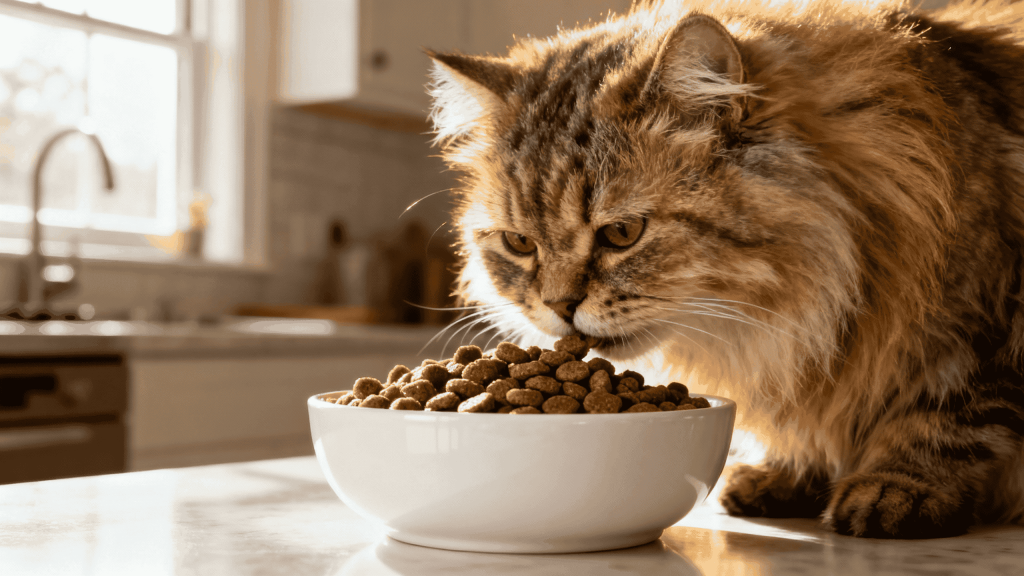
Senior cat food is designed to support physiological changes associated with aging, not simply to reduce calories. While energy needs may decrease slightly, nutrient density and digestibility become more important.
High-quality cat food for senior cats typically focuses on:
- Easily digestible proteins to maintain lean muscle
- Balanced fat levels for sustained energy without excess weight gain
- Adjusted mineral content to support kidney and urinary health
- Added nutrients that support joints, cognition, and immune function
The goal is to provide nutrition that works with the aging body, not against it.
Protein Quality Matters More With Age
Muscle loss can occur more quickly in senior cats, even when body weight appears stable. Adequate, highly bioavailable protein helps slow age-related muscle decline and supports overall strength and mobility.
When evaluating senior cat food, look for:
- Clearly identified animal protein sources
- Moderate to high protein levels from digestible ingredients
- Balanced amino acid profiles
Lower protein is not automatically better for older cats unless specifically advised by a veterinarian for medical reasons.
Digestive Support and Nutrient Absorption
As cats age, digestive efficiency may decline. This can affect how well nutrients are absorbed, even if intake remains the same. High-quality senior diets often include ingredients that are gentler on the gastrointestinal system.
Helpful features include:
- Limited, simple ingredient lists
- Added fiber in controlled amounts to support regular digestion
- Nutrients that promote gut health and nutrient uptake
Improved digestion can also influence litter box consistency, which becomes increasingly important for senior comfort.
Senior Wet Cat Food and Hydration
Hydration is a common challenge for aging cats, particularly those who rely heavily on dry food. Senior wet cat food can play a valuable role by increasing daily moisture intake without requiring changes in drinking behavior.
Benefits of wet food for senior cats include:
- Higher water content to support kidney and urinary health
- Softer texture for cats with dental sensitivity
- Enhanced aroma and palatability, which may help with reduced appetite
Many households use a combination of dry and wet senior cat food to balance convenience, dental considerations, and hydration support.
Weight, Mobility, and Comfort
Maintaining a healthy body condition is especially important in senior cats. Excess weight can place additional strain on joints, while being underweight may signal muscle loss or inadequate nutrition.
Proper senior cat food supports:
- Stable energy levels
- Muscle maintenance without unnecessary fat gain
- Joint comfort through balanced nutrition
When mobility decreases, even small environmental challenges—like accessing a litter box—can become stressful.
Nutrition and Senior Cat Litter Box Habits
Diet choices can indirectly affect litter box use, which is often one of the first areas owners notice changes in senior cats. Digestive tolerance, hydration, and stool quality are all influenced by food selection.
Additionally, aging cats may benefit from adjustments beyond food alone, such as:
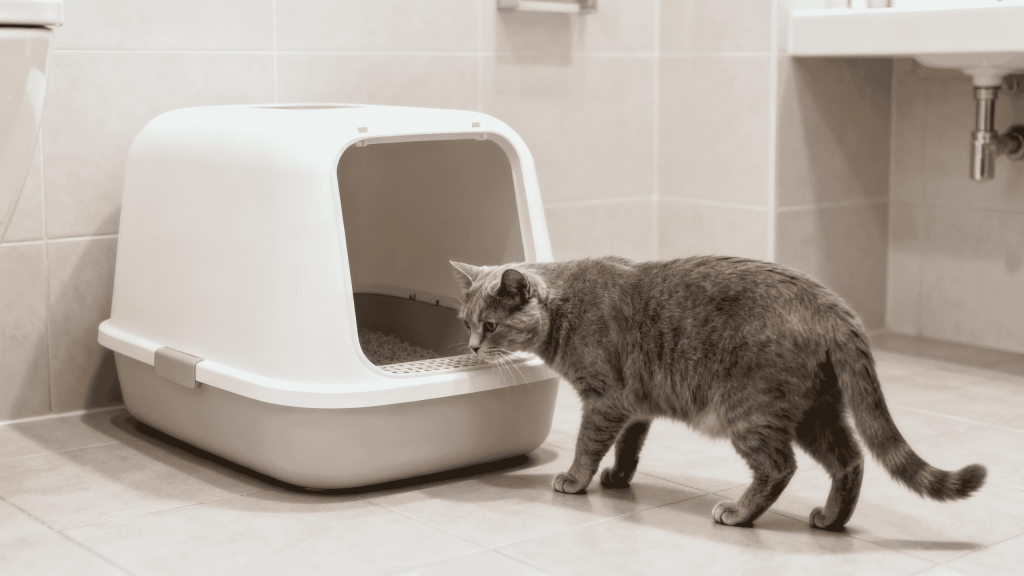
- A senior cat litter box with lower sides for easier entry
- Softer or dust-free litter for sensitive paws
- Placement that minimizes the need to climb or navigate stairs
While litter box setup is environmental, proper nutrition helps support regular digestion and comfort, making these adjustments more effective.
Transitioning to Senior Cat Food
Switching to senior cat food should be gradual. Sudden changes can upset digestion and reduce acceptance.
A slow transition over 7–10 days allows:
- The digestive system to adapt
- Cats to adjust to new flavors and textures
- Owners to observe tolerance and appetite
Pay attention to energy levels, coat condition, stool quality, and litter box habits during the transition period.
Individual Needs Still Matter
No single formula is the best senior cat food for every cat. Age, activity level, dental health, and medical history all influence ideal nutrition. Some senior cats thrive on dry formulas, others benefit more from senior wet cat food, and many do best with a combination approach.
Regular veterinary checkups help ensure that dietary choices continue to align with your cat’s changing needs.
Conclusion
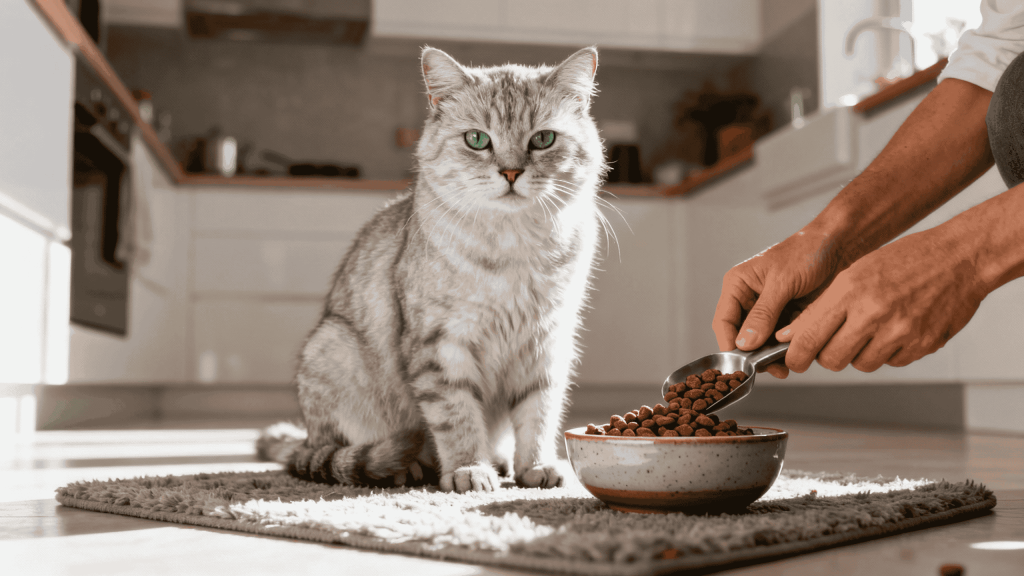
Choosing the best senior cat food is about more than age labels—it’s about supporting digestion, hydration, muscle maintenance, and daily comfort as cats grow older. High-quality cat food for senior cats, thoughtful use of senior wet cat food, and attention to lifestyle factors like a well-designed senior cat litter box all work together to promote well-being.
With informed nutrition choices and small environmental adjustments, senior cats can remain comfortable, engaged, and well-supported throughout their later years.
References
- Laflamme, D. (2012). Nutrition for aging cats and dogs. Veterinary Clinics of North America: Small Animal Practice, 42(4), 769–791.
- Taylor, Samantha, et al. “2022 ISFM consensus guidelines on management of the inappetent hospitalised cat.” Journal of feline medicine and surgery 24.7 (2022): 614-640.
- Bellows, Jan, et al. “Aging in cats: common physical and functional changes.” Journal of Feline medicine and surgery 18.7 (2016): 533-550.
- Ray, Michael, et al. “2021 AAFP feline senior care guidelines.” Journal of Feline Medicine and Surgery 23.7 (2021): 613-638.

