

Building a Strong Immune System in Pets Naturally
Written by MyCern Research & Editorial Team
A robust immune system is essential for pets to fight off infections, recover from minor illnesses, and maintain overall vitality. Nutrition, lifestyle, and environmental factors all play a role in supporting immune function naturally. By understanding how the immune system works and implementing practical strategies, pet owners can help their companions stay healthy and resilient throughout their lives.
This article explores:
- How the immune system functions in pets
- Nutritional strategies to support immunity
- Lifestyle and environmental factors that strengthen immune defenses
- Practical daily routines to maintain immune health
- Monitoring for signs of immune imbalance
How the Immune System Works in Pets

The immune system is a network of cells, tissues, and organs that defend the body against pathogens:
- Innate immunity: The first line of defense, including skin, mucous membranes, and white blood cells
- Adaptive immunity: Responds to specific threats with targeted antibodies
- Gut-associated immunity: A significant portion of immune function is linked to digestive health
Healthy immune function relies on balanced nutrition, proper hydration, regular activity, and low stress.
Quick Tip Box – Signs of Immune Imbalance:
- Frequent infections or slow recovery from illness
- Lethargy or reduced activity levels
- Poor coat quality or flaky skin
- Digestive issues, such as diarrhea or decreased appetite
Nutritional Strategies to Support Immunity
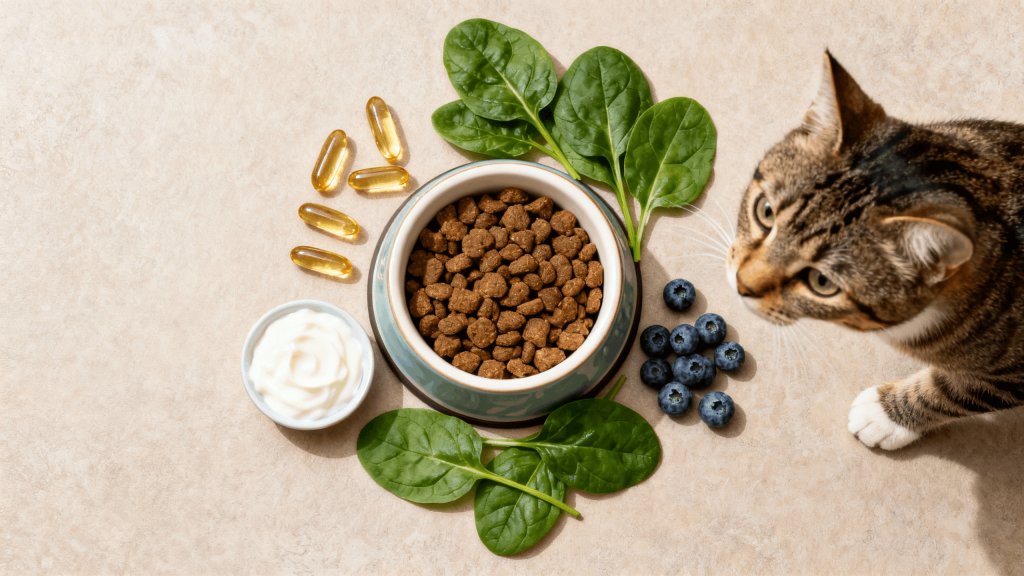
Diet provides the building blocks for immune function:
- High-quality protein: Essential for producing antibodies and immune cells
- Vitamins A, C, and E: Support cellular defense mechanisms and antioxidant protection
- Minerals like zinc and selenium: Crucial for immune cell development and function
- Omega-3 fatty acids: Help regulate inflammation and maintain immune balance
- Prebiotics and probiotics: Promote a healthy gut microbiome, which is central to immunity
Quick Tip Box – Immune-Supporting Nutrition:
- Provide a balanced, nutrient-rich diet appropriate for your pet’s age and activity level
- Introduce foods that support gut health, such as fiber-rich vegetables or vet-approved probiotics
- Avoid excessive treats or table scraps that can disrupt nutritional balance
- Monitor body weight and energy to ensure dietary adequacy
Lifestyle and Environmental Factors
Beyond nutrition, lifestyle choices play a significant role in immune resilience:
- Regular physical activity: Promotes circulation and overall health
- Stress reduction: Calm environments and predictable routines reduce stress hormones that can suppress immunity
- Adequate rest: Sleep and quiet time support cellular repair and immune regulation
- Clean environment: Regular grooming, dental care, and sanitation reduce exposure to pathogens
Quick Tip Box – Daily Wellness Routine:
- Morning: Short walk or play session to stimulate circulation
- Mid-day: Quiet time in a safe and comfortable environment
- Evening: Balanced meal and hydration to support metabolic and immune function
- Weekly: Basic grooming and environmental checks to reduce pathogen exposure

References
- Day, M. J., et al. (2016). Immunosenescence in dogs and cats. Veterinary Immunology and Immunopathology, 169(1–2), 17–27.
- Freeman, L. M., et al. (2013). Nutrition and immune function in companion animals. Journal of Animal Physiology and Animal Nutrition, 97(6), 1021–1030.
- Case, L. P., et al. (2011). Canine and Feline Nutrition: A Resource for Companion Animal Professionals. Elsevier Health Sciences.
- Landsberg, G., et al. (2013). Behavioral and environmental factors affecting pet immunity. Journal of Veterinary Behavior, 8(6), 394–402.
Conclusion
A strong immune system is foundational for pets’ long-term health and vitality. By providing a nutrient-rich diet, encouraging physical activity, reducing stress, and maintaining a clean, safe environment, owners can naturally support their pets’ immunity. Consistent, science-informed care ensures pets remain resilient, healthy, and active throughout their lives.

