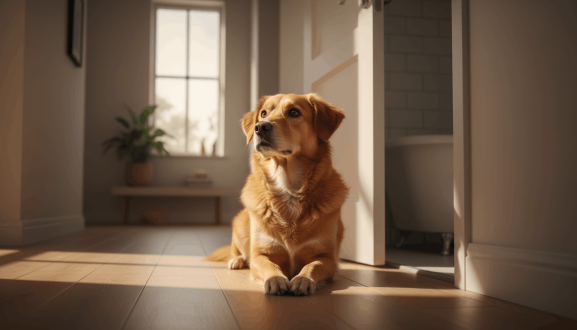
Canine Anxiety Explained: Noise Phobias, Separation Stress, and Calming Support
Written by MyCern Research & Editorial Team
Anxiety is a common behavioral concern in dogs, often triggered by environmental stressors such as loud noises, separation from caregivers, or changes in routine. While anxiety itself is a normal emotional response, chronic stress can affect wellbeing, behavior, and even physical health. Understanding the causes of anxiety and supportive strategies can help dogs feel calmer and more confident in everyday life.
This article explores:
- Common types of canine anxiety
- Behavioral and physical signs of nervousness
- How loud noises and separation trigger stress
- Environmental, behavioral, and nutritional support strategies
- Daily routines to promote calm and confidence
Recognizing Canine Anxiety
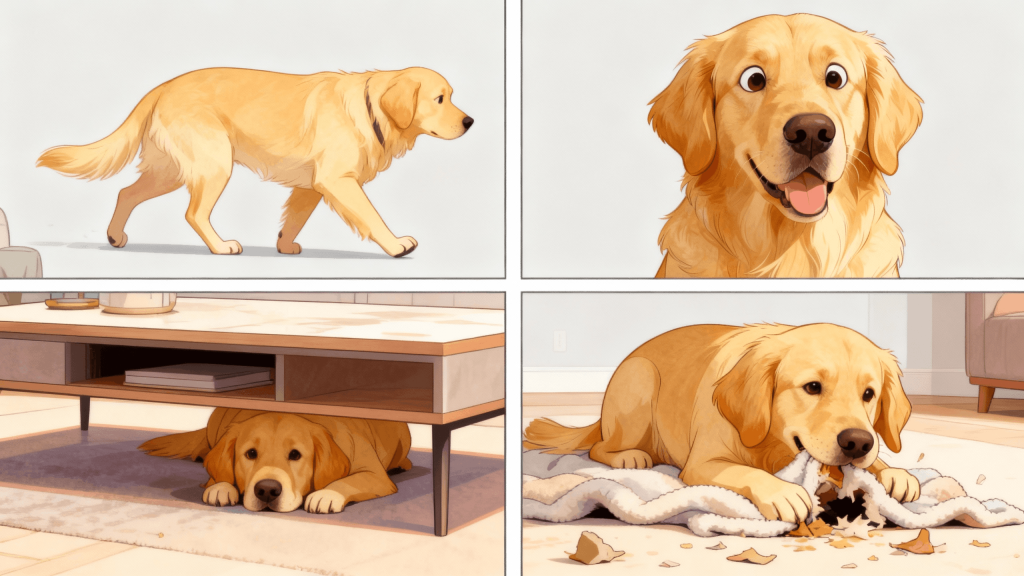
Dogs cannot describe their feelings, so anxiety is often expressed through behavior and body language. Signs include:
- Excessive barking, whining, or howling
- Pacing, panting, or trembling
- Hiding or seeking constant reassurance
- Chewing or scratching furniture or bedding
Quick Tip Box – Behavioral Observations:
- Note when anxious behaviors occur (time, environment, triggers)
- Differentiate between short-term stress and chronic anxiety
- Monitor changes in appetite or sleep patterns
- Keep a simple log to track patterns over time
Noise Phobias: Thunderstorms and Fireworks

Loud, sudden noises can trigger intense fear in dogs:
- Thunderstorms, fireworks, or construction sounds can activate the fight-or-flight response
- Dogs may display trembling, hiding, pacing, or vocalization
- Some dogs develop long-term associations, heightening future anxiety
Quick Tip Box – Noise Phobia Support:
- Provide a safe, quiet space with familiar bedding
- Avoid forcing the dog to face the noise
- Use background white noise or calming music
- Gradually desensitize with controlled, low-level exposure if recommended by a professional
Separation Anxiety
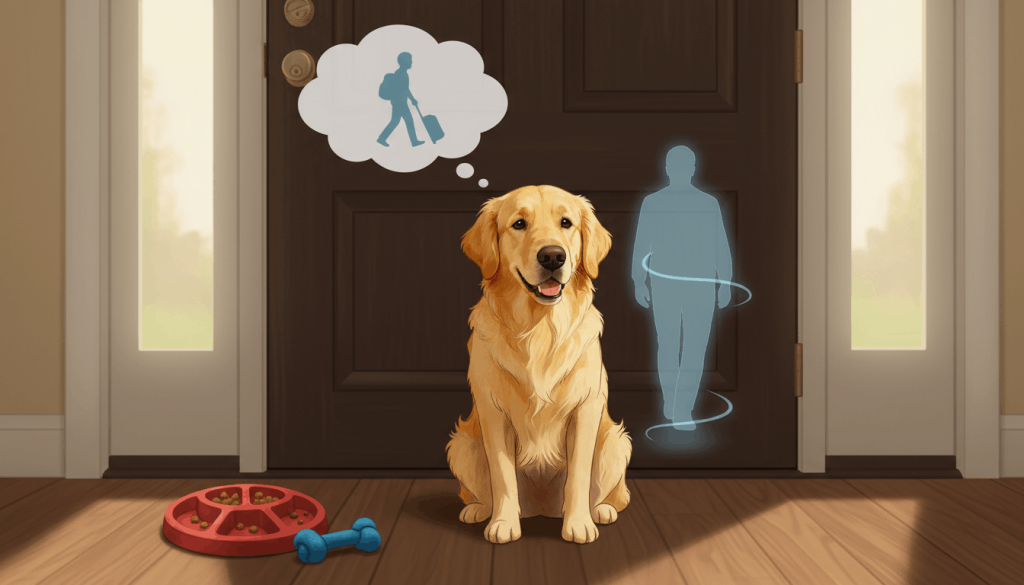
Separation anxiety occurs when dogs become stressed upon being left alone:
- May manifest as barking, destructive chewing, or accidents indoors
- Often worsens with sudden routine changes
- Can impact both dog and household wellbeing
Quick Tip Box – Separation Support:
- Gradually increase time apart to build tolerance
- Maintain predictable routines for feeding and walks
- Provide puzzle feeders or safe chew toys during absences
- Avoid dramatic departures or greetings that reinforce stress
Crate Anxiety and Nervous Behaviors

Some dogs associate crates with confinement stress rather than security:
- Excessive barking or scratching inside a crate
- Hesitation to enter a crate even voluntarily
- Nervous behaviors may include pacing, lip licking, or yawning
Quick Tip Box – Crate Training Tips:
- Introduce the crate gradually with positive reinforcement
- Use toys or treats to create a pleasant association
- Ensure the crate is appropriately sized and comfortable
- Keep crate sessions short initially and extend gradually
Supporting Calm Through Environment and Nutrition
Certain lifestyle and nutritional strategies can help promote calm:
- Regular exercise and mental enrichment reduce stress
- Consistent daily routines provide predictability
- Balanced diets support overall physiological stress responses
- Omega fatty acids and antioxidants may help maintain neural function and resilience
Quick Tip Box – Daily Calming Support:
- Short, frequent walks and play sessions
- Interactive toys or puzzle feeders for mental stimulation
- Safe retreat areas for rest
- Avoid sudden changes in routine or environment

References
- Overall, K. L. (2013). Manual of Clinical Behavioral Medicine for Dogs and Cats. Elsevier.
- McMillan, F. D. (2017). Mental health and behavior in companion animals. Journal of Veterinary Behavior, 19, 1–8.
- Herron, M. E., et al. (2008). Noise phobia in dogs: Behavioral responses and treatment approaches. Journal of the American Veterinary Medical Association, 233(11), 1745–1752.
- Blackwell, E. J., et al. (2013). Separation-related behavior in dogs: Prevalence, risk factors, and behavioral management. Applied Animal Behaviour Science, 148(1–2), 150–162.
Conclusion
Canine anxiety can arise from loud noises, separation, confinement, or environmental stressors. Recognizing early signs, supporting dogs with predictable routines, and providing environmental and nutritional support can reduce stress and improve wellbeing. A proactive, science-informed approach allows dogs to navigate stressful situations with confidence and comfort, promoting both emotional and physical health.