
Heart Health in Dogs: Supporting Cardiovascular Function as Dogs Age
Written by MyCern Research & Editorial Team
The heart is central to a dog’s overall health, supplying oxygen and nutrients to every tissue. As dogs age, changes in cardiovascular function can affect energy, exercise tolerance, and long-term wellbeing. Understanding breed predispositions, early signs of reduced heart performance, and supportive lifestyle strategies helps dog owners promote heart health naturally and proactively.
This article explores:
- Common cardiovascular challenges in aging dogs
- Breeds that are predisposed to heart conditions
- How exercise tolerance reflects heart health
- Nutritional and antioxidant support for the heart
- Daily habits that help maintain cardiovascular function
How the Canine Heart Changes With Age

As dogs age, the heart and blood vessels may experience subtle changes:
- Reduced elasticity of arteries and veins
- Gradual thickening of the heart muscle in some breeds
- Decreased efficiency in pumping blood
- Increased susceptibility to oxidative stress
These changes can impact stamina, energy, and exercise tolerance, even in otherwise healthy dogs.
Quick Tip Box – Subtle Signs of Heart Strain:
- Reduced interest in long walks or play
- Fatigue after minimal activity
- Mild coughing or labored breathing during exercise
- Restlessness at night or unusual pacing
Breed Predispositions to Heart Conditions

Certain breeds are more prone to cardiovascular issues, including:
- Large and giant breeds: Dilated cardiomyopathy (e.g., Doberman, Great Dane)
- Small breeds: Mitral valve disease (e.g., Cavalier King Charles Spaniel, Miniature Schnauzer)
- Mixed breeds: Can exhibit variable risk depending on genetics
Quick Tip Box – Breed Awareness:
- Discuss breed-specific risks with a veterinarian
- Monitor weight, activity levels, and breathing regularly
- Schedule regular wellness check-ups including cardiovascular assessment
- Track subtle behavioral changes that may indicate reduced heart function
Exercise Tolerance and Heart Health
Exercise tolerance is an important indicator of cardiovascular function:
- Healthy hearts support sustained activity without excessive fatigue
- Dogs with early heart issues may tire quickly or show labored breathing
- Low-impact activities like walking or swimming are ideal for supporting cardiovascular fitness
Quick Tip Box – Monitoring Activity:
- Observe energy levels during and after walks
- Gradually increase activity intensity over time
- Avoid sudden, strenuous exercise in senior dogs or predisposed breeds
- Encourage interactive play that promotes gentle movement
Nutritional and Antioxidant Support
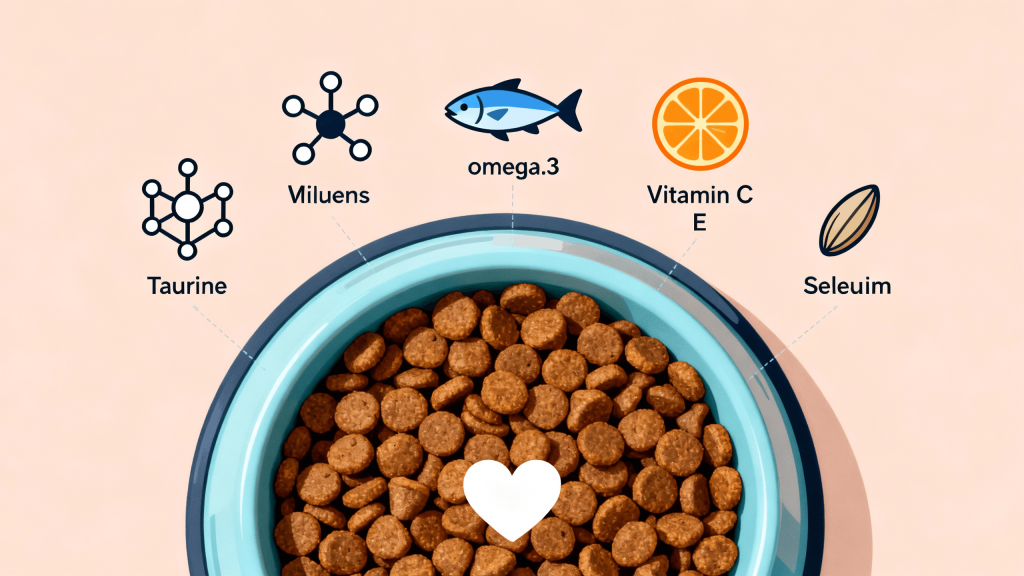
Nutrition and targeted nutrients play a supportive role in heart health:
- Taurine: Supports cardiac muscle function, particularly in certain breeds
- Omega-3 fatty acids: Help maintain normal inflammation and vascular function
- Antioxidants (vitamins C & E, selenium): Protect heart tissues from oxidative stress
- Balanced nutrition: Maintains healthy weight, reducing cardiovascular strain
Quick Tip Box – Feeding for Heart Support:
- Maintain lean body condition to reduce cardiac workload
- Ensure diets meet breed and life-stage nutritional requirements
- Avoid sudden dietary changes that stress metabolism
- Support hydration to maintain optimal blood flow
Daily Habits to Support Heart Function
- Provide regular, moderate physical activity tailored to your dog’s energy level
- Monitor resting heart rate and breathing patterns
- Keep weight within a healthy range
- Provide stress-reducing routines to avoid elevated heart rates
- Encourage mental stimulation alongside physical exercise

References
- Atkins, C. E., et al. (2009). Diagnosis and management of canine cardiovascular disease. Journal of Veterinary Internal Medicine, 23(6), 1143–1152.
- Keene, B. W., et al. (2019). Canine heart disease: Breed predispositions and clinical management. Veterinary Clinics of North America: Small Animal Practice, 49(4), 757–776.
- Freeman, L. M., et al. (2010). Nutritional support for dogs with cardiac disease. Veterinary Clinics of North America: Small Animal Practice, 40(5), 1073–1084.
- Bonagura, J. D., & Schober, K. E. (2009). Diseases of the cardiovascular system in dogs. Journal of Small Animal Practice, 50(6), 302–314.
Conclusion
Cardiovascular health is a critical aspect of canine wellbeing, especially as dogs age. By recognizing breed-specific risks, monitoring exercise tolerance, providing balanced nutrition with antioxidants and supportive nutrients, and maintaining daily habits that encourage gentle activity, dog owners can help support heart function and long-term vitality. A science-informed, preventive approach ensures dogs remain active, comfortable, and healthy throughout their lives.