Canine Digestive Disorders Explained: From Food Sensitivities to Chronic Diarrhea
Written by MyCern Research & Editorial Team
Digestive issues are among the most common reasons dogs are brought to veterinary clinics, yet many chronic cases remain frustratingly difficult to explain. Dogs may experience recurring loose stools, gas, mucus, or irregular bowel habits despite eating “high-quality” diets and appearing otherwise healthy. These patterns often resemble functional digestive disorders, similar in presentation—though not identical, to irritable bowel, type conditions in humans.
Rather than being caused by a single trigger, chronic digestive disturbances in dogs usually reflect gut imbalance involving the microbiome, intestinal barrier, immune signaling, and motility regulation. Understanding these deeper mechanisms helps explain why symptoms can persist, fluctuate, or worsen under stress.
This article explores:
- What chronic digestive disorders look like in dogs
- How IBS-like patterns differ from acute digestive upset
- The role of gut imbalance and immune activation
- Why food sensitivities are not always true “allergies”
- Long-term strategies for digestive stability and resilience
When Digestive Symptoms Become “Chronic”

Occasional digestive upset is normal in dogs. Chronic digestive disorders are different. They are typically defined by recurrent or persistent symptoms lasting weeks to months, often without a clear infectious cause.
Common patterns include irregular stool consistency, increased stool frequency, gas, abdominal sounds, or urgency. Importantly, symptoms may improve temporarily and then return, creating a cycle that is difficult to manage without addressing underlying physiology.
IBS-Like Symptoms in Dogs: What That Really Means
In veterinary medicine, there is no direct equivalent to human irritable bowel syndrome. However, some dogs exhibit functional gastrointestinal disorders where structural disease is minimal, yet gut function is disrupted.
These cases often involve altered gut motility, visceral hypersensitivity, and abnormal communication between the gut and nervous system. Stress, routine changes, or dietary shifts can amplify symptoms even when no new pathology is present.
The Central Role of Gut Imbalance
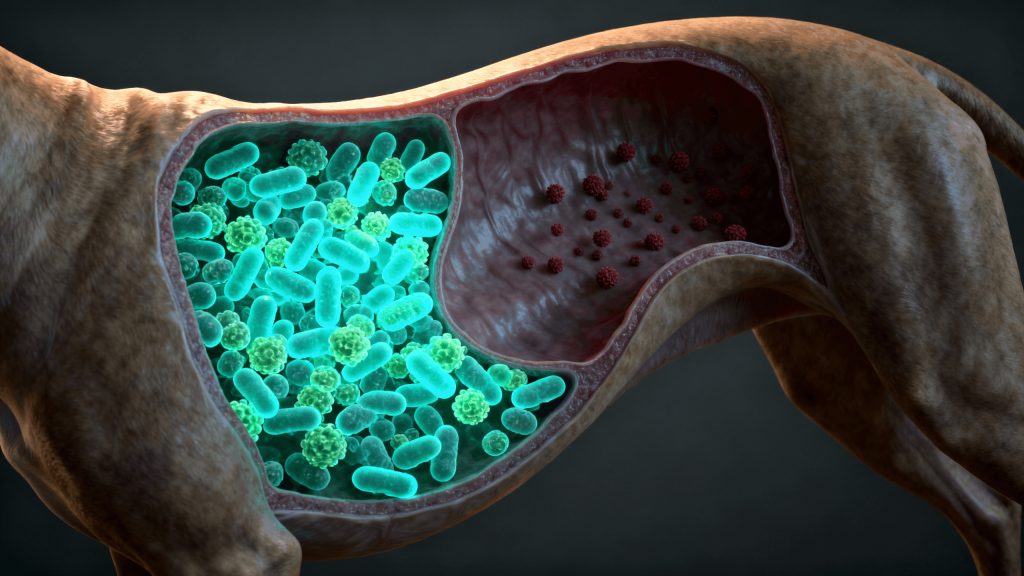
The canine gut is home to a complex microbial ecosystem that plays a critical role in digestion, immune regulation, and intestinal integrity. When this ecosystem becomes imbalanced, digestive stability can be compromised.
Gut imbalance may involve reduced microbial diversity, shifts in bacterial populations, or altered fermentation patterns. These changes can influence stool consistency, gas production, and inflammatory signaling without causing obvious infection.
Intestinal Barrier Function and Immune Activation
The intestinal lining acts as a selective barrier, allowing nutrients to pass while keeping irritants and pathogens out. Chronic digestive disorders are often associated with increased intestinal permeability, which can stimulate low-grade immune activation.
This immune response does not always produce dramatic illness but can alter motility, sensitivity, and nutrient handling. Over time, the gut becomes more reactive, making symptoms more persistent and less predictable.
Food Sensitivities vs. True Food Allergies
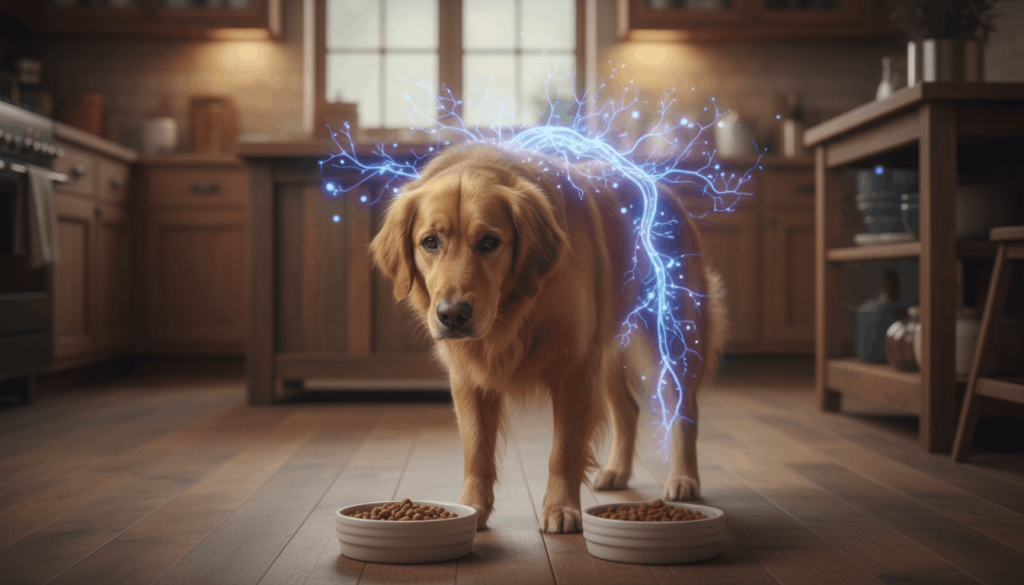
Food sensitivities are frequently implicated in chronic digestive issues, but they differ from classic food allergies. True allergies involve a specific immune response, whereas sensitivities often reflect difficulty tolerating certain proteins, fats, or additives.
In dogs with gut imbalance, even previously tolerated foods may begin to cause symptoms due to impaired digestion or heightened immune reactivity. This explains why diet changes sometimes help temporarily but fail to resolve the issue long term.
The Gut–Brain Connection in Dogs
The canine digestive system is closely linked to the nervous system through the gut–brain axis. Stress hormones can alter gut motility, secretion, and microbial composition, while gut inflammation can influence behavior and stress tolerance.
Dogs with chronic digestive disorders may therefore show increased anxiety, restlessness, or behavioral changes during flare-ups signs that reflect neurological involvement rather than purely digestive dysfunction.
Why Chronic Diarrhea Is So Persistent
Chronic diarrhea often persists because multiple systems are involved simultaneously. Altered motility, microbial imbalance, immune activation, and nervous system input can reinforce one another.
Without addressing these interconnected factors, treatment may reduce symptoms temporarily without restoring long-term balance.

Supporting Long-Term Digestive Stability
Managing chronic digestive disorders requires patience and consistency. Long-term support focuses on reducing gut reactivity, supporting microbial balance, and maintaining routine stability.
Key considerations include consistent feeding schedules, careful diet selection, minimizing unnecessary dietary changes, managing stress, and regular veterinary monitoring to rule out progressive disease.
When Further Evaluation Is Needed
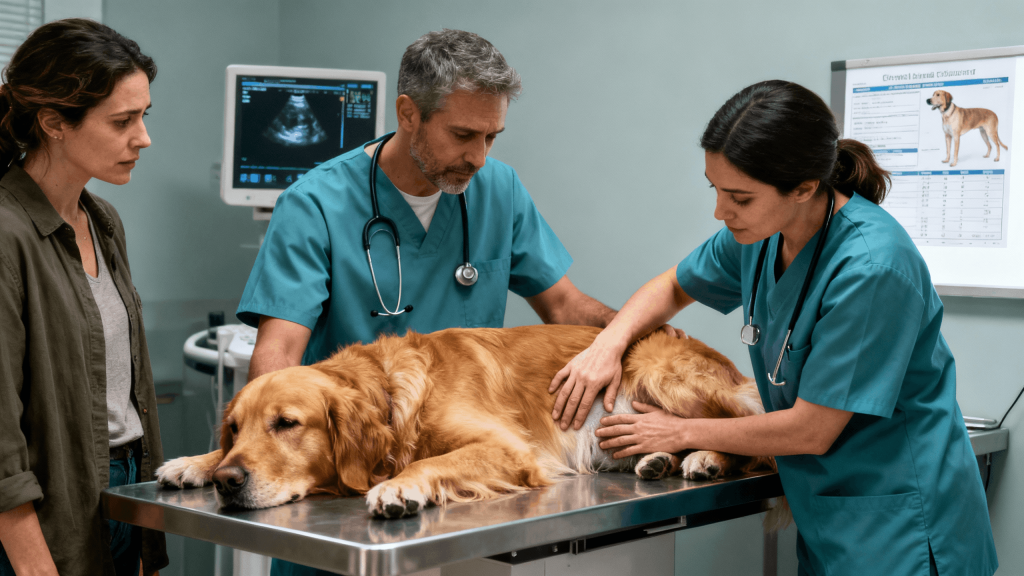
Persistent digestive symptoms, weight loss, blood or mucus in stools, or changes in appetite should always prompt veterinary assessment. Chronic digestive disorders are diagnoses of exclusion, meaning other conditions must be ruled out before functional imbalance is assumed.
Early evaluation helps prevent prolonged discomfort and supports better outcomes.
Conclusion
Chronic digestive disorders in dogs are rarely simple or isolated problems. IBS-like symptoms often reflect complex interactions between the gut microbiome, immune system, nervous system, and intestinal barrier. By understanding these deeper mechanisms, pet owners can better interpret recurring symptoms and support a more stable, resilient digestive environment over time.
References
- Jergens, A. E. (2012). Clinical assessment of chronic gastrointestinal disease in dogs and cats. Journal of the American Veterinary Medical Association, 241(5), 593–601.
- Suchodolski, J. S. (2011). Intestinal microbiota of dogs and cats: A bigger world than we thought. Veterinary Clinics of North America: Small Animal Practice, 41(2), 261–272.
- Hall, E. J., & German, A. J. (2010). Diseases of the small intestine. Textbook of Veterinary Internal Medicine, 2, 1322–1378.
- Simpson, K. W., & Jergens, A. E. (2011). Pitfalls and progress in the diagnosis and management of canine inflammatory bowel disease. Veterinary Clinics of North America: Small Animal Practice, 41(2), 381–398.
- Cryan, J. F., & Dinan, T. G. (2012). Mind-altering microorganisms: The impact of the gut microbiota on brain and behaviour. Nature Reviews Neuroscience, 13(10), 701–712.