
Digestive Enzymes vs. Probiotics for Dogs: When Each Makes Sense
Written by MyCern Research & Editorial Team
Digestive issues are one of the most common concerns for dog owners. From occasional loose stools to slower nutrient absorption, many pets experience challenges in processing food efficiently. Two tools often recommended for digestive support are digestive enzymes and probiotics—but they work very differently and are useful in different scenarios.
Understanding how each functions, and when they may be appropriate, helps owners support gut health effectively without guesswork.
This article explores:
- How digestive enzymes and probiotics work in dogs
- Differences in their mechanisms and benefits
- Situations when each approach is most appropriate
- Signs that your dog’s digestive system may need support
- Practical strategies for supporting overall gut health
How Digestion Works in Dogs
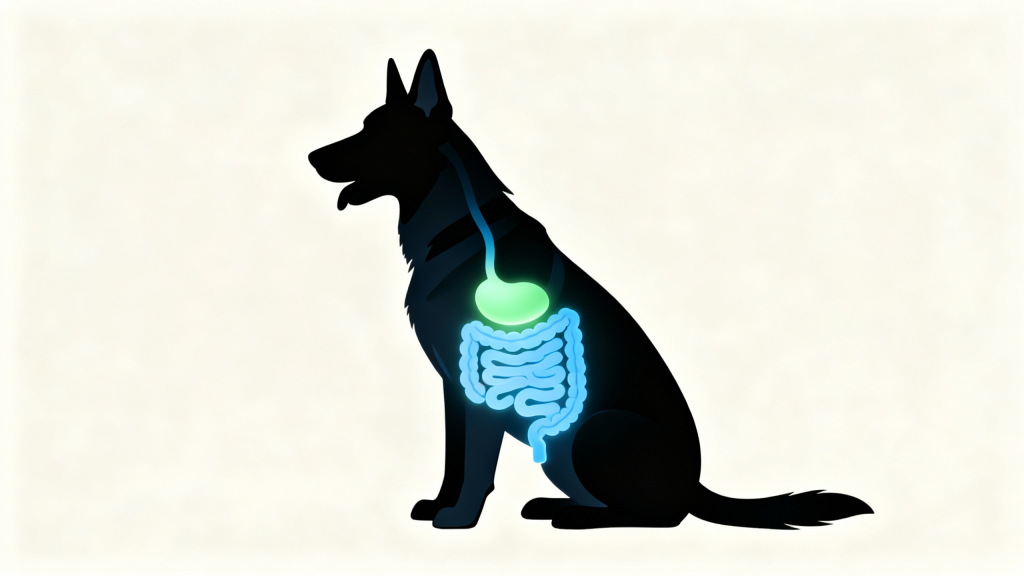
A dog’s digestive system is designed to break down nutrients from food into molecules the body can absorb. Key processes include:
- Mechanical digestion: Chewing and stomach contractions break down food physically
- Enzymatic digestion: Proteins, fats, and carbohydrates are broken down into absorbable components
- Microbial activity: Beneficial gut bacteria aid in fermenting fibers and supporting overall gut balance
When any part of this process is less efficient, it can result in gas, bloating, loose stools, or nutrient loss.
Digestive Enzymes: Breaking Down Nutrients
Digestive enzymes are naturally produced by the pancreas and other digestive organs. They help convert food into usable nutrients:
- Proteases: Break down proteins into amino acids
- Lipases: Break down fats into fatty acids
- Amylases: Break down carbohydrates into sugars

Supplemental digestive enzymes can support dogs who:
- Eat quickly or have digestive sensitivity
- Experience occasional bloating or undigested food in stools
- Have enzyme insufficiency due to age, illness, or pancreatic conditions
Quick Tip Box – When Digestive Enzymes Make Sense:
- Occasional loose stools after new foods
- Difficulty digesting high-protein or high-fat meals
- Senior dogs with naturally reduced enzyme production
Probiotics: Supporting the Gut Microbiome
Probiotics are beneficial bacteria that help maintain a healthy balance of gut flora. They influence:
- Immune system modulation
- Digestive consistency and stool quality
- Short-chain fatty acid production for gut lining health
- Resistance to opportunistic or harmful bacteria

Probiotics are especially helpful for dogs experiencing:
- Digestive upset after antibiotics or dietary changes
- Occasional diarrhea or irregular bowel movements
- Sensitivity to stress or environmental changes affecting gut health
Quick Tip Box – When Probiotics Make Sense:
- Post-antibiotic recovery
- Stress-related gut upset
- Chronic but mild digestive disturbances
Digestive Enzymes vs. Probiotics: Key Differences
| Feature | Digestive Enzymes | Probiotics |
|---|---|---|
| Primary function | Break down food for absorption | Maintain healthy gut microbiome |
| Action site | Stomach & small intestine | Colon & small intestine |
| Immediate effect | Often noticeable within hours | Gradual effect over days/weeks |
| Best for | Occasional digestion challenges | Microbiome support and ongoing gut health |
| Typical forms | Powders, capsules added to food | Chewables, powders, treats |
Signs Your Dog May Benefit From Support
Subtle indicators can guide owners toward enzyme or probiotic support:
- Digestive enzyme hints: Undigested food in stool, occasional bloating, mild gas
- Probiotic hints: Loose stools after stress, post-medication recovery, recurring mild diarrhea
Observing patterns rather than isolated incidents is key to identifying the right approach.
Supporting Digestive Health Naturally
In addition to targeted enzyme or probiotic support, everyday habits strengthen digestion:
- Balanced diet: High-quality proteins, fiber, and moderate fats
- Consistent feeding schedule: Helps regulate digestive rhythms
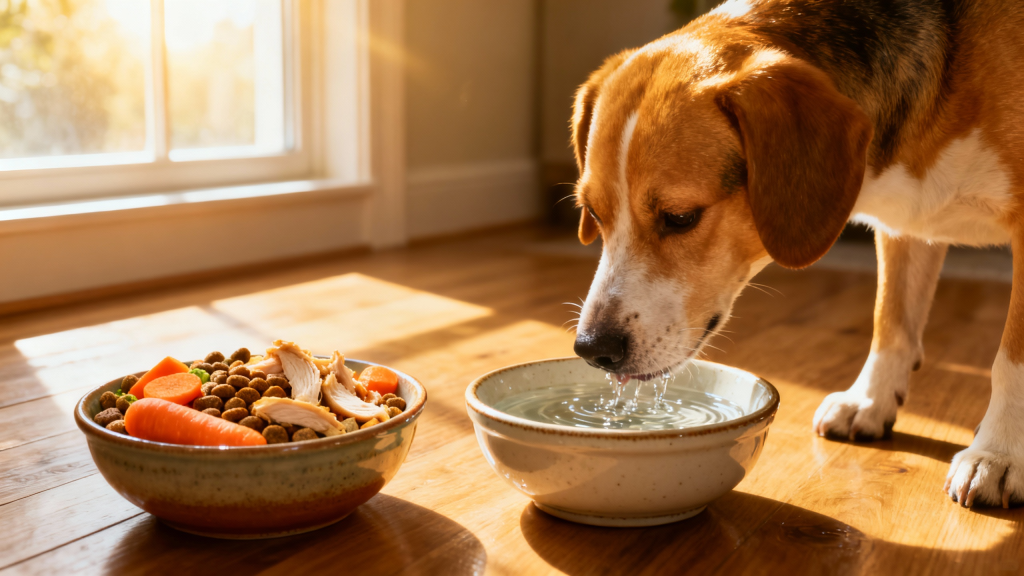
- Hydration: Adequate water supports enzymatic and microbial function
- Gradual diet transitions: Reduces stress on digestive processes
- Mental and physical activity: Supports healthy gut motility
When to Seek Veterinary Guidance
Persistent or severe digestive issues may indicate underlying conditions such as pancreatic insufficiency, inflammatory bowel disease, or food sensitivities. Consult a veterinarian if you notice:
- Chronic diarrhea or vomiting
- Significant weight loss
- Blood in stool or repeated undigested food
- Changes in appetite or energy levels
Early guidance ensures safe and effective support.

References
- Swanson, K. S., et al. (2002). Nutritional influences on canine gastrointestinal health. Journal of Nutrition, 132(5), 1259S–1265S.
- Suchodolski, J. S. (2016). Microbiome–gut–immune axis in dogs. Veterinary Clinics of North America: Small Animal Practice, 46(6), 1075–1086.
- Steiner, J. M. (2003). Enzyme supplementation in canine digestive disorders. Journal of the American Veterinary Medical Association, 222(3), 387–392.
- Heinritz, S. N., et al. (2016). Probiotic interventions in companion animals. Animal Nutrition, 2(1), 1–7.
Conclusion
Digestive enzymes and probiotics each play distinct roles in supporting a dog’s gut health. Enzymes help break down food efficiently, while probiotics maintain a healthy microbiome for long-term digestive balance. By understanding the differences and observing your dog’s unique needs, owners can choose targeted strategies that promote comfort, nutrient absorption, and overall wellness.