
Why Large-Breed Dogs Need Different Mineral Balance Than Small Breeds
Written by MyCern Research & Editorial Team
Large-breed dogs grow fast, carry more weight, and experience unique mechanical stress on their bones and joints. Unlike small breeds, their nutritional needs, particularly minerals like calcium, phosphorus, and magnesium, require careful balance. Too much or too little can affect skeletal development, mobility, and long-term wellness.
Understanding why large breeds are different and how mineral balance influences growth and health can help owners make informed choices about feeding and supplementation.
This article explores:
- How growth patterns differ between large and small breeds
- The role of key minerals in skeletal and joint health
- Risks associated with imbalanced mineral intake
- Practical tips for supporting large-breed wellness naturally
- Signs that mineral intake may need adjustment
Growth Patterns in Large-Breed Dogs
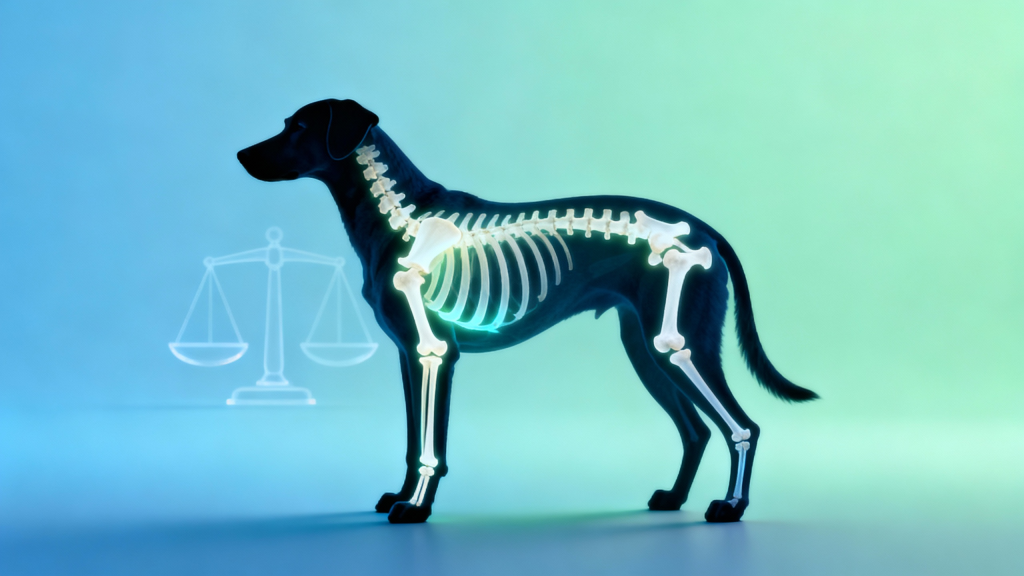
Large breeds (e.g., Great Danes, Labradors, Mastiffs) grow rapidly in the first year of life. This rapid growth increases the demand for structural nutrients, including:
- Calcium for bone formation
- Phosphorus for energy and skeletal development
- Magnesium for muscle and nerve function
Small breeds grow more slowly and mature earlier, so their mineral requirements differ both in quantity and proportion.
Quick Tip Box – Growth Comparison:
| Feature | Large Breeds | Small Breeds |
|---|---|---|
| Growth rate | Rapid first 12 months | Slower, steadier |
| Skeletal stress | High due to weight | Lower |
| Nutrient sensitivity | Sensitive to calcium/phosphorus imbalance | More tolerant |
Why Mineral Balance Matters
Minerals are crucial for:
- Bone strength: Calcium and phosphorus form the structural matrix
- Joint health: Proper mineral levels support cartilage and connective tissue
- Muscle function: Magnesium and potassium help with contraction and recovery
- Metabolic efficiency: Phosphorus aids energy utilization from food
Too much calcium in large breeds can lead to abnormal bone growth or joint issues.
Too little calcium can result in fragile bones and delayed skeletal development.
The calcium-to-phosphorus ratio is particularly important: the ideal ratio for large breeds is typically around 1.1–1.3:1.
Common Risks from Imbalanced Mineral Intake

Large-breed puppies are especially vulnerable to:
- Hip and elbow dysplasia
- Osteochondritis dissecans (OCD)
- Growth plate abnormalities
- Joint pain and reduced mobility in adulthood
Over-supplementation or unbalanced diets, especially with homemade or “free-feeding” approaches, can unintentionally create these problems.
Supporting Mineral Balance Through Diet
- Breed-specific diets: Large-breed puppy formulas are formulated with controlled calcium, phosphorus, and energy density
- Moderate growth: Avoid overfeeding; rapid weight gain increases joint stress
- Whole-food variety: Lean proteins, vegetables, and controlled grains provide trace minerals
- Hydration: Proper fluid intake supports joint lubrication and overall metabolism
- Routine veterinary checks: Monitor growth rate, weight, and skeletal development

Quick Tip Box – Feeding Guidelines for Large Breeds:
- Measure food according to breed, age, and activity
- Avoid excessive high-calcium human foods or supplements
- Maintain regular meal schedules for steady growth
- Include safe sources of Omega-3s for joint support
Exercise Considerations for Large Breeds
Large breeds need low-impact, controlled exercise during growth stages:
- Avoid high-impact activities (jumping, long running) in puppies
- Short, frequent walks or swimming are ideal
- Mental stimulation and gentle play support development without stressing bones
Signs Your Dog’s Mineral Balance May Need Adjustment
- Rapid weight gain beyond breed standard
- Joint stiffness or reluctance to move
- Unusual posture or difficulty climbing stairs
- Growth plate tenderness or limping
Prompt veterinary consultation can guide diet or supplement adjustments safely.

References
- NRC (2006). Nutrient Requirements of Dogs and Cats. National Academies Press.
- Laflamme, D. P. (2008). Nutrition for large-breed puppies: Bone and joint health considerations. Veterinary Clinics of North America: Small Animal Practice, 38(6), 1323–1336.
- Fascetti, A. J., & Delaney, S. J. (2012). Applied Veterinary Clinical Nutrition. Wiley-Blackwell.
- Morgan, J. P., et al. (1995). Dietary influences on the incidence of developmental orthopedic disease in large-breed puppies. Journal of Nutrition, 125(9), 2277S–2280S.
Conclusion
Large-breed dogs aren’t just “big small dogs” their rapid growth and increased skeletal stress make mineral balance critical for lifelong health. By feeding breed-appropriate diets, monitoring growth, and supporting joint and bone health through controlled exercise, owners can help prevent common developmental problems and promote comfort, mobility, and long-term wellness.