

Dog Food Allergies Explained: Common Triggers, Warning Signs, and Diet Adjustments That Help
Written by MyCern Research & Editorial Team
Food plays a central role in a dog’s health, but for some dogs, certain ingredients can quietly trigger immune and inflammatory reactions. Dog food allergies are often misunderstood and frequently confused with environmental sensitivities or temporary digestive upset. In reality, food-related reactions tend to develop slowly, creating chronic symptoms that can be difficult to trace without understanding how they work.
This article explores how dog food allergies develop, the most common dietary triggers, subtle warning signs, and why thoughtful diet adjustments not quick fixes, are key to long-term comfort.
What Are Dog Food Allergies?
Dog food allergies occur when the immune system mistakenly identifies a specific dietary protein as harmful. Instead of tolerating the ingredient, the body mounts an inflammatory response, leading to symptoms that often affect the skin, ears, and digestive system.
It’s important to distinguish allergies from intolerances. While allergies involve immune activation, signs of food intolerance in dogs may stem from poor digestion or sensitivity rather than immune dysfunction. Both can look similar on the surface, which is why persistent symptoms require careful evaluation.
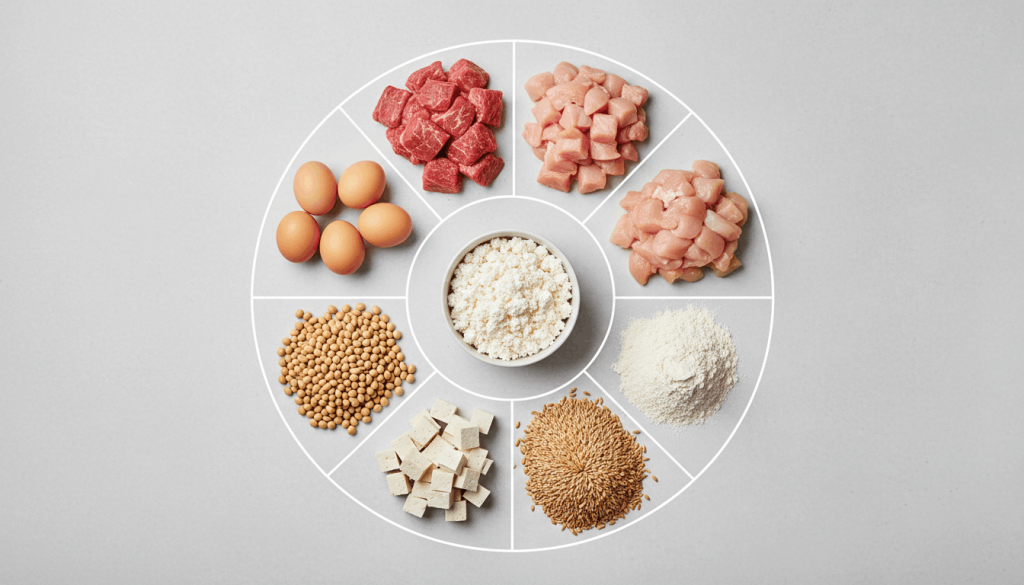
Common Dog Food Allergens
Most food allergies in dogs are linked to proteins rather than grains or additives. Repeated exposure over time increases the likelihood of sensitization, even to ingredients a dog has eaten for years.
Common dog food allergens include:
- Beef
- Chicken
- Dairy products
- Eggs
- Lamb
- Soy
- Wheat and gluten-containing grains
Contrary to popular belief, grain-free diets do not automatically prevent allergies. Many dogs react to animal proteins, not carbohydrates. Novel or hydrolyzed protein sources are often used in dietary trials because they reduce immune recognition.
Subtle Warning Signs Often Overlooked
The symptoms of dog food allergies are rarely dramatic at first. Instead, they tend to be chronic, low-grade, and easy to misinterpret.
Skin-related signs are the most common. Persistent itching especially around the face, paws, ears, and belly, can signal a dietary trigger. Recurrent ear infections, head shaking, or redness inside the ears are also classic indicators.
Digestive symptoms may include intermittent loose stools, gas, or occasional vomiting. These signs of food intolerance in dogs often fluctuate, making them harder to link directly to diet.
Some dogs show behavioral changes such as irritability or restlessness, likely due to ongoing discomfort and inflammation rather than temperament issues.
Why Food Allergies Take Time to Identify

Unlike acute reactions, food allergies usually develop after long-term exposure. This delayed onset often leads owners to rule out food as a cause, especially if the diet hasn’t changed recently.
Additionally, symptoms can overlap with environmental allergies, parasites, or infections. This is why elimination diets rather than blood tests alone, remain the gold standard for identifying dietary triggers.
Diet Adjustments That Support Long-Term Relief
Managing dog food allergies is not about switching foods frequently. Instead, it requires structured, consistent dietary adjustments that reduce immune stimulation.
Elimination diets typically involve feeding a limited-ingredient formula using a novel or hydrolyzed protein for several weeks. During this period, all treats, table scraps, and flavored supplements must be avoided to ensure accurate results.
Once triggers are identified, long-term diets focus on simplicity, digestibility, and nutritional completeness. Stability matters more than variety when managing immune-mediated reactions.
The Role of Gut Health and Inflammation
Emerging research highlights the connection between gut integrity and immune tolerance. Chronic inflammation in the digestive tract can increase immune sensitivity, making reactions more likely over time.
Supporting digestive efficiency and minimizing unnecessary dietary stress may help reduce the severity of reactions, even when complete avoidance isn’t possible.

Conclusion
Dog food allergies are complex, gradual, and often misunderstood. By recognizing common dog food allergens and paying attention to subtle, persistent symptoms, owners can better advocate for their dog’s comfort. Thoughtful diet adjustments, guided by patience and consistency, remain one of the most effective ways to reduce inflammation, support immune balance, and improve quality of life for dogs with food-related sensitivities.
References
- Verlinden, A., Hesta, M., Millet, S., & Janssens, G. P. J. (2006). Food allergy in dogs and cats: A review. Critical Reviews in Food Science and Nutrition, 46(3), 259–273.
- Mueller, R. S., Olivry, T., & Prélaud, P. (2016). Critically appraised topic on adverse food reactions of companion animals (2): Common food allergen sources in dogs and cats. BMC Veterinary Research, 12, 9.
- Lakeman, N. (2021). Cutaneous adverse food reactions. The Veterinary Nurse, 12(9), 426-429.
- Suchodolski, J. S. (2016). Diagnosis and interpretation of intestinal dysbiosis in dogs and cats. Veterinary Journal, 215, 30–37.*

