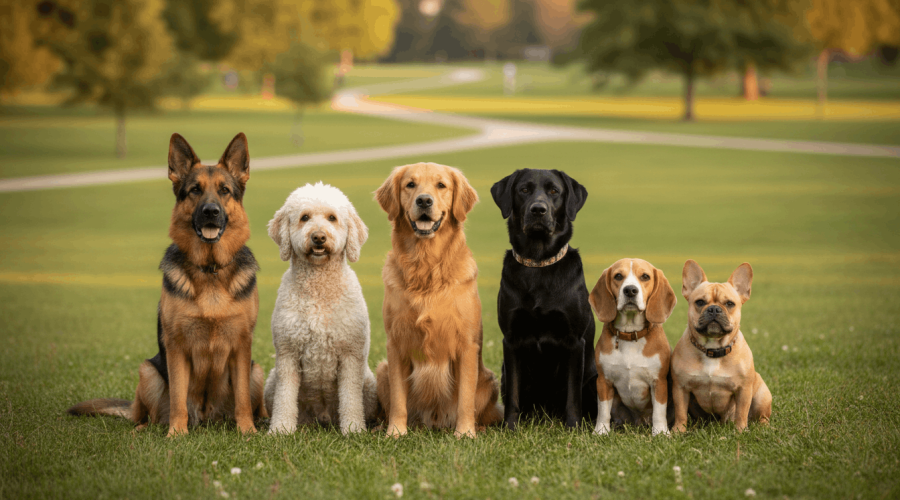
Famous Dog Breeds in the U.S.: Traits That Make Them Great Adoption Companions
Written by MyCern Research & Editorial Team
Dog breeds vary widely in size, temperament, energy levels, and care needs, which is why choosing the right companion is as much about lifestyle compatibility as it is about appearance. In the United States, certain dog breeds consistently rank among the most popular not only because they are well-known, but because their traits often align well with family life, work routines, and long-term companionship.
Understanding breed tendencies can also support more successful adoption outcomes. When adopters choose dogs whose natural behaviors match their home environment, it reduces stress for both the dog and the owner and helps build lasting bonds.
This article explores:
- Why dog breeds matter when considering adoption
- Famous dog breeds in the U.S. and what makes them well-suited for families
- Breed traits that support adaptability, trainability, and companionship
- How lifestyle alignment improves long-term wellness and adoption success
Why Dog Breeds Matter in Adoption Decisions
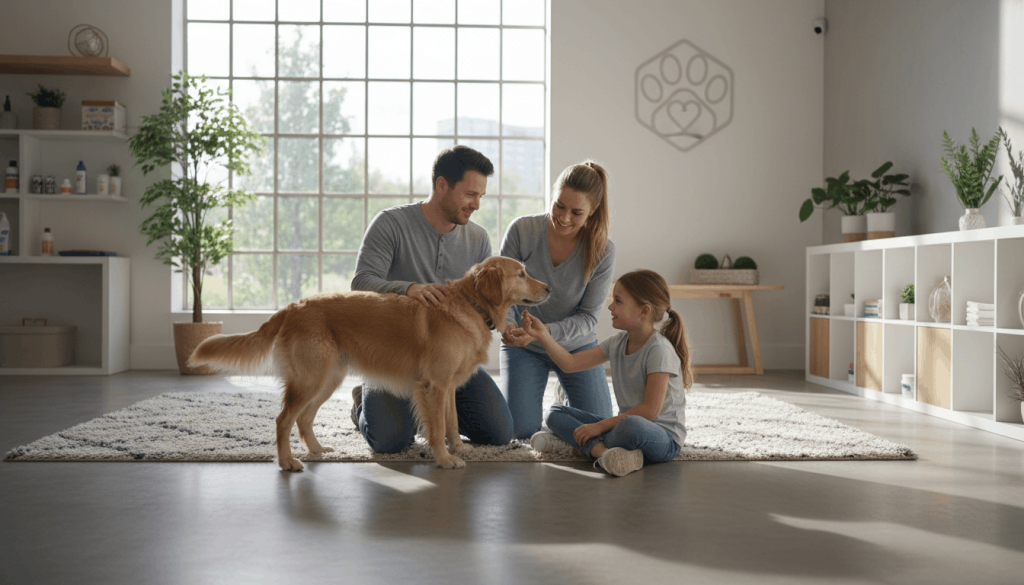
While every dog is an individual, breed history influences behavior, energy requirements, and social needs. These traits developed over generations for specific roles herding, retrieving, guarding, or companionship and they still shape how dogs interact with people today.
Matching breed tendencies with household routines can:
- Reduce behavioral challenges
- Improve training success
- Support mental and physical well-being
- Increase the likelihood of lifelong adoption success
Breed awareness is not about exclusion it is about informed, compassionate choices.
Labrador Retriever
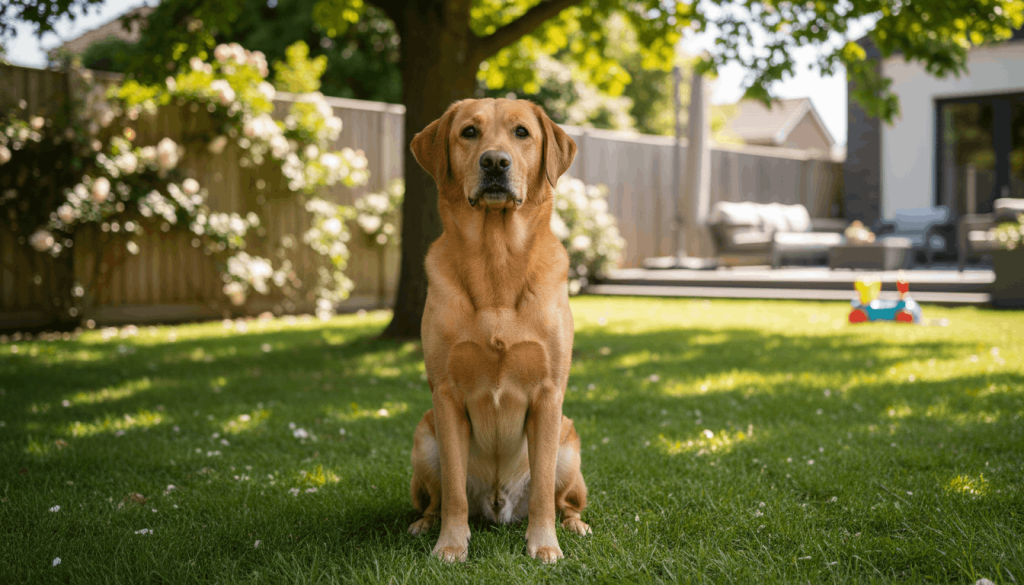
Labrador Retrievers have remained one of the most popular dog breeds in the U.S. for decades.
Known for:
- Friendly and social temperament
- High trainability and intelligence
- Strong compatibility with children and other pets
Labs are adaptable to many environments, from active households to structured family routines. Their eagerness to please makes them excellent candidates for first-time adopters and families seeking a dependable companion.
Golden Retriever

Golden Retrievers are widely recognized for their gentle nature and emotional sensitivity.
Positive adoption traits include:
- Calm, affectionate disposition
- Strong bonding with humans
- Excellent response to positive training
Goldens often thrive in homes that value interaction and routine. Their patient demeanor makes them especially suitable for families, therapy settings, and households with multiple pets.
German Shepherd
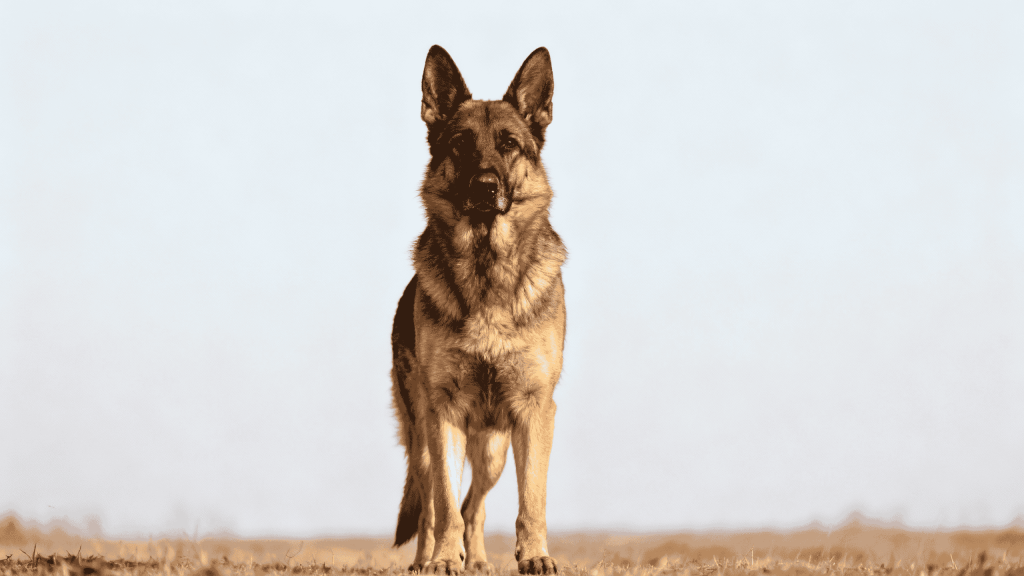
German Shepherds are admired for their intelligence, loyalty, and versatility.
Key strengths:
- High cognitive ability and trainability
- Strong sense of attachment to caregivers
- Natural confidence and awareness
When adopted into structured environments with clear leadership and mental stimulation, German Shepherds form deeply loyal bonds and excel as working or companion dogs.
French Bulldog

French Bulldogs have surged in popularity in urban areas across the U.S.
Why they adapt well:
- Low exercise demands compared to larger breeds
- Affectionate and people-oriented nature
- Comfortable in apartments and smaller homes
Their compact size and social personality make them appealing to individuals or families seeking close companionship without high activity requirements.
Beagle
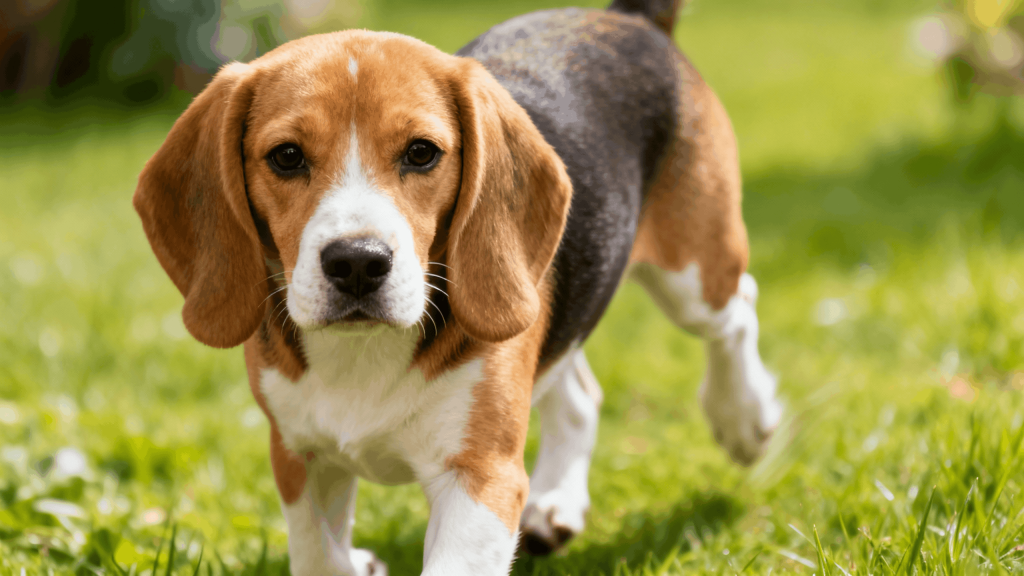
Originally bred for scent work, Beagles bring curiosity and friendliness into the home.
Adoption-friendly traits include:
- Playful and sociable personality
- Strong compatibility with children
- Moderate size and manageable care needs
Beagles thrive in environments that provide mental stimulation and consistent routines, making them a good fit for active families.
Poodle (Standard, Miniature, and Toy)
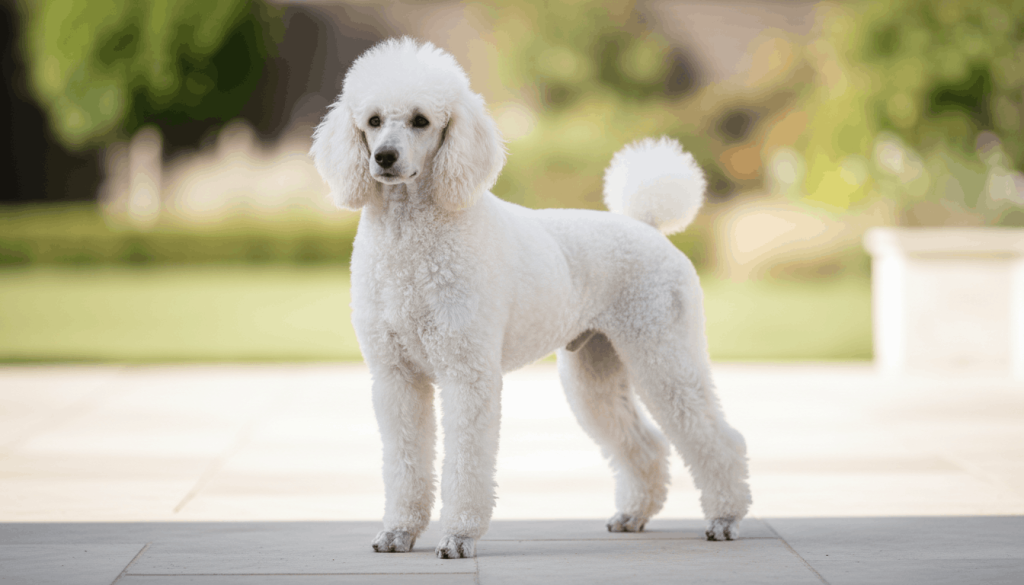
Poodles are known for intelligence and adaptability across all size varieties.
Key advantages:
- High trainability and problem-solving ability
- Low-shedding coats suitable for many households
- Strong emotional awareness
Their versatility allows them to fit into a wide range of living situations, from active homes to quieter lifestyles.
Bulldog

Bulldogs are often chosen for their calm and steady presence.
Supportive adoption qualities:
- Low energy compared to many breeds
- Affectionate, people-focused behavior
- Predictable temperament
They often do well in homes that prioritize relaxed routines and close companionship.
How Breed Traits Support Successful Adoption
Dogs whose natural tendencies align with their environment experience:
- Lower stress levels
- Improved immune and behavioral resilience
- Better long-term physical health
- Stronger human–animal bonds
Understanding dog breeds helps adopters create realistic expectations, which is one of the strongest predictors of adoption success.
Lifestyle Matching Matters More Than Popularity
Famous dog breeds are popular for good reason, but popularity alone should not drive adoption decisions. Factors such as activity level, grooming needs, social preferences, and training capacity play a greater role in long-term harmony.
Responsible adoption begins with education, patience, and a willingness to meet a dog’s biological and emotional needs.
Conclusion
Dog breeds offer valuable insight into behavior, adaptability, and care requirements, helping adopters make informed and compassionate choices. Many of the most famous dog breeds in the U.S., from Labradors to Bulldogs are beloved not just for their looks, but for the traits that make them loyal, adaptable, and deeply connected companions.
By understanding breed characteristics and aligning them with lifestyle needs, adoption becomes more than welcoming a pet, it becomes the foundation for a healthy, lifelong partnership.
References
- Ray, A. G., & Gulley, H. E. (1996). The place of the dog: AKC breeds in American culture. Journal of Cultural Geography, 16(1), 89-106.
- Serpell, J. A., & Duffy, D. L. (2014). Dog breeds and their behavior. Applied Animal Behaviour Science, 155, 1–8.
- Mehrkam, L. R., & Wynne, C. D. (2014). Behavioral differences among breeds of domestic dogs (Canis lupus familiaris): Current status of the science. Applied Animal Behaviour Science, 155, 12-27.
- Hsu, Y., & Serpell, J. A. (2003). Development and validation of a questionnaire for canine behavior. Journal of the American Veterinary Medical Association, 223(9), 1293–1300.
- Patronek, G. J., et al. (1996). Risk factors for relinquishment of dogs to shelters. Journal of the American Veterinary Medical Association, 209(3), 572–581.