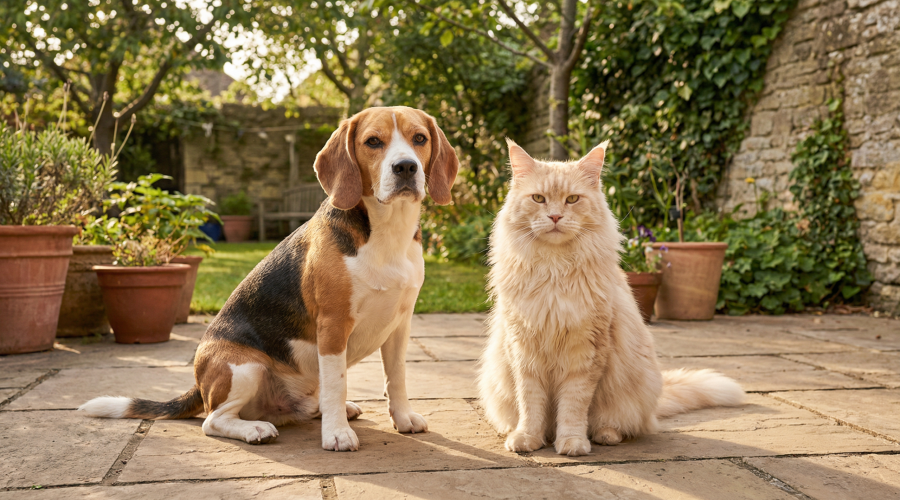
Healthy Tummies, Happy Pets: Digestive Support Tips
Written by MyCern Research & Editorial Team
Digestive health is central to your pet’s overall wellbeing. A healthy digestive system supports nutrient absorption, immune function, energy levels, and even mood-related behaviors. When digestion is balanced, pets are more comfortable, active, and resilient. Understanding how the gut works and how daily habits influence digestion allows pet owners to support healthy tummies naturally.
This article explores:
- How the digestive system functions in pets
- Common factors that affect gut health
- Nutritional strategies to support digestion
- Lifestyle habits that promote a healthy gut
- Practical tips to maintain digestive balance
How the Digestive System Works in Pets

The digestive system breaks down food into nutrients that fuel the body:
- Mouth and stomach: Begin mechanical and chemical digestion
- Small intestine: Absorbs proteins, fats, vitamins, and minerals
- Large intestine: Supports water absorption and stool formation
- Gut microbiome: Beneficial bacteria that aid digestion and immune defense
A balanced digestive system depends on enzyme activity, gut motility, and a healthy microbial environment.
Quick Tip Box – Signs of Digestive Imbalance:
- Gas, bloating, or frequent stomach noises
- Loose stools or constipation
- Vomiting or reduced appetite
- Changes in stool color or consistency
Nutrition That Supports Healthy Digestion
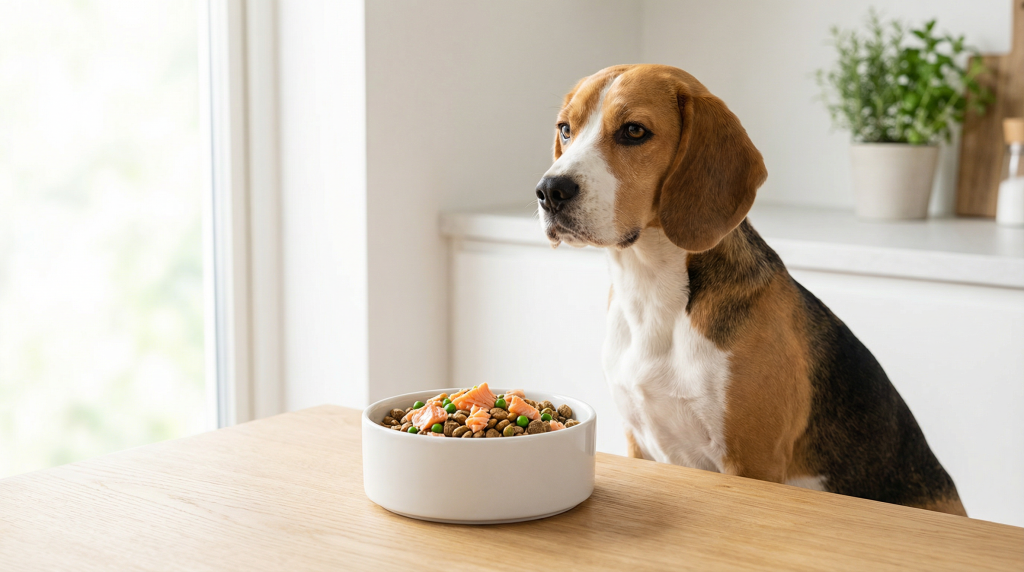
Diet plays a major role in gut comfort and efficiency:
- High-quality protein: Easier to digest and supports muscle and tissue repair
- Dietary fiber: Promotes healthy bowel movements and feeds beneficial gut bacteria
- Prebiotics and probiotics: Support microbial balance in the gut
- Moderate fat levels: Provide energy without overwhelming digestion
- Adequate hydration: Helps move food smoothly through the digestive tract
Quick Tip Box – Feeding for Gut Health:
- Feed consistent meals at the same times each day
- Introduce new foods gradually over 7–10 days
- Avoid frequent diet switching unless advised
- Limit table scraps and highly processed treats
Natural Ways to Support Digestive Balance

- Routine feeding schedules: Help regulate digestive enzymes
- Portion control: Prevents overeating and digestive strain
- Gentle activity after meals: Supports gut motility
- Stress reduction: Calm environments help maintain healthy digestion
Quick Tip Box – Daily Digestive-Friendly Routine:
- Morning meal followed by light activity
- Fresh water access throughout the day
- Evening feeding at a consistent time
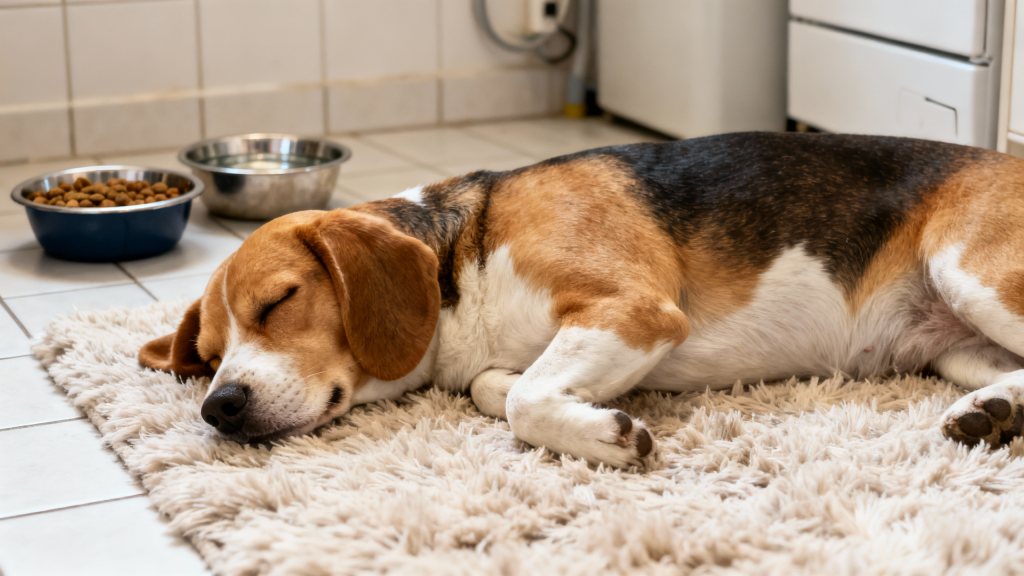
- Quiet rest period after meals
Lifestyle Habits That Promote Gut Health
- Maintain regular exercise to support metabolism and digestion
- Reduce environmental stressors that may affect appetite
- Keep food and water bowls clean to prevent contamination
- Observe stool quality regularly as an indicator of gut health
- Schedule routine veterinary check-ups for digestive monitoring
References
- Suchodolski, J. S. (2016). Diagnosis and interpretation of intestinal dysbiosis in dogs and cats. Veterinary Journal, 215, 30–37.
- Swanson, K. S., et al. (2011). Dietary fiber and gut health in companion animals. Journal of Animal Physiology and Animal Nutrition, 95(4), 501–515.
- German, A. J., et al. (2010). Role of nutrition in gastrointestinal health of dogs and cats. Veterinary Clinics of North America: Small Animal Practice, 40(3), 427–441.
- Case, L. P., et al. (2011). Canine and Feline Nutrition: A Resource for Companion Animal Professionals. Elsevier Health Sciences.
Conclusion
A healthy digestive system is the foundation of a happy, energetic pet. Through balanced nutrition, consistent routines, stress management, and attentive observation, pet owners can naturally support gut health and digestive comfort. A science-informed approach to digestive care helps pets absorb nutrients efficiently, maintain immune resilience, and enjoy daily life with greater comfort and vitality.