Supporting Your Pet’s Eyes Naturally: Nutrients, Lifestyle, and Care Tips
Written by MyCern Research & Editorial Team
Healthy vision plays a vital role in your pet’s quality of life, supporting navigation, play, and interaction with their environment. The eyes are complex organs that rely on proper nutrition, circulation, and protective mechanisms to function optimally. By understanding how eye health works and applying natural, preventive strategies, pet owners can help support clear vision and long-term ocular comfort.
This article explores:
- How the eyes function in pets
- Nutrients that support eye health and vision
- Lifestyle habits that help protect ocular health
- Daily care practices for healthy eyes
- Early signs of eye strain or discomfort
How Pet Eyes Work
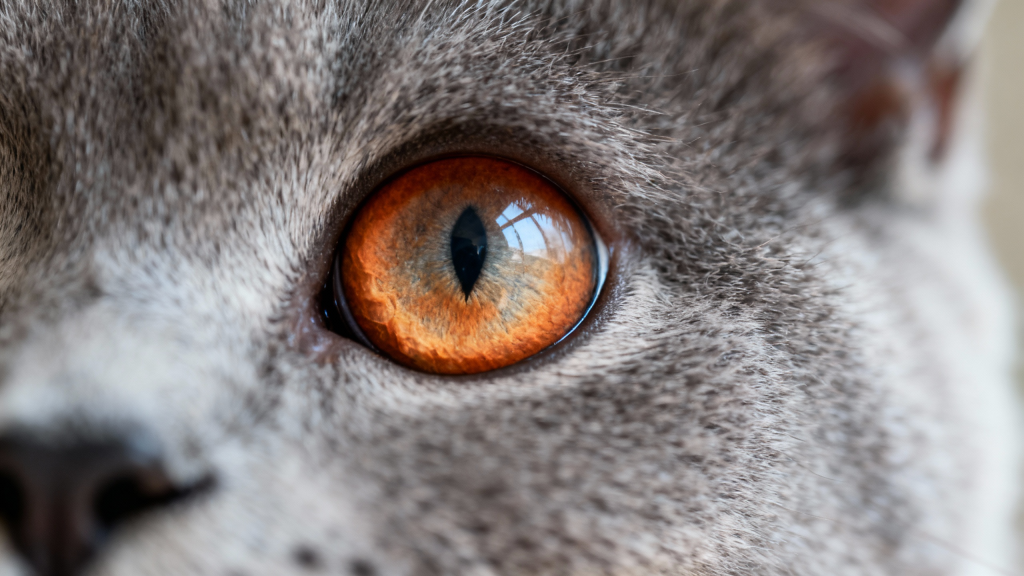
The eyes convert light into signals that the brain interprets as vision. Key structures include:
- Cornea and lens: Focus incoming light
- Retina: Contains photoreceptor cells that detect light and color
- Optic nerve: Transmits visual information to the brain
- Tear film: Protects and lubricates the eye surface
Healthy eye function depends on good circulation, antioxidant protection, and proper tear production.
Quick Tip Box – Factors That Influence Eye Health:
- Age-related changes in the lens and retina
- Breed-specific eye sensitivities
- Environmental exposure (dust, wind, UV light)
- Overall metabolic and immune health
Nutrients That Support Eye Health

Certain nutrients play important roles in maintaining vision and eye tissue integrity:
- Vitamin A: Essential for retinal function and low-light vision
- Lutein and zeaxanthin: Carotenoids that support retinal health and light filtration
- Omega-3 fatty acids: Support tear production and reduce ocular inflammation
- Vitamin E and C: Antioxidants that help protect eye cells from oxidative stress
- Zinc: Supports vitamin A metabolism and retinal signaling
Quick Tip Box – Eye-Friendly Nutrition Tips:
- Provide a complete, balanced diet appropriate for your pet’s life stage
- Include foods rich in antioxidants and healthy fats
- Ensure consistent hydration to support tear film production
- Avoid excessive treats that can displace nutrient-dense meals
Lifestyle Habits That Protect Vision
Daily routines and environments influence long-term eye health:
- Minimize exposure to smoke, dust, and harsh chemicals
- Provide shaded outdoor areas to limit UV exposure
- Keep fur trimmed around the eyes to reduce irritation
- Maintain overall health through regular activity and weight management
Quick Tip Box – Eye Care at Home:
- Gently wipe away discharge with a clean, damp cloth
- Observe eyes daily for redness, cloudiness, or excessive tearing
- Use only veterinarian-approved eye products
- Avoid letting pets stick their heads out of car windows
References
- Gelatt, K. N., et al. (2013). Veterinary Ophthalmology. Wiley-Blackwell.
- Pinheiro, A., et al. (2015). Role of nutrition in ocular health of dogs and cats. Journal of Animal Physiology and Animal Nutrition, 99(1), 1–10.
- Williams, D. L. (2008). Oxidative stress and eye disease in companion animals. Veterinary Ophthalmology, 11(6), 367–372.
- Case, L. P., et al. (2011). Canine and Feline Nutrition: A Resource for Companion Animal Professionals. Elsevier Health Sciences.
Conclusion
Supporting your pet’s eye health naturally involves a combination of balanced nutrition, protective lifestyle habits, and consistent daily care. By prioritizing antioxidant-rich diets, maintaining a clean and safe environment, and observing subtle changes in eye appearance or behavior, pet owners can help preserve vision and ocular comfort. A proactive, science-informed approach ensures pets continue to see, explore, and engage with the world comfortably throughout their lives.