Caring for Senior Dogs: Supporting Comfort, Mobility, and Vitality Naturally
Written by MyCern Research & Editorial Team
As dogs age, their physical and physiological needs change. Senior dogs may experience shifts in mobility, energy levels, digestion, and sensory awareness. Thoughtful daily care, environmental adjustments, and supportive routines can help maintain comfort, independence, and quality of life. Understanding the aging process allows owners to support their dogs with compassion and consistency.
This article explores:
- How aging affects a dog’s body and behavior
- Early signs of age-related changes
- Natural ways to support comfort and mobility
- Lifestyle habits that promote vitality in senior dogs
- Practical strategies for long-term wellbeing
Understanding the Aging Process in Dogs
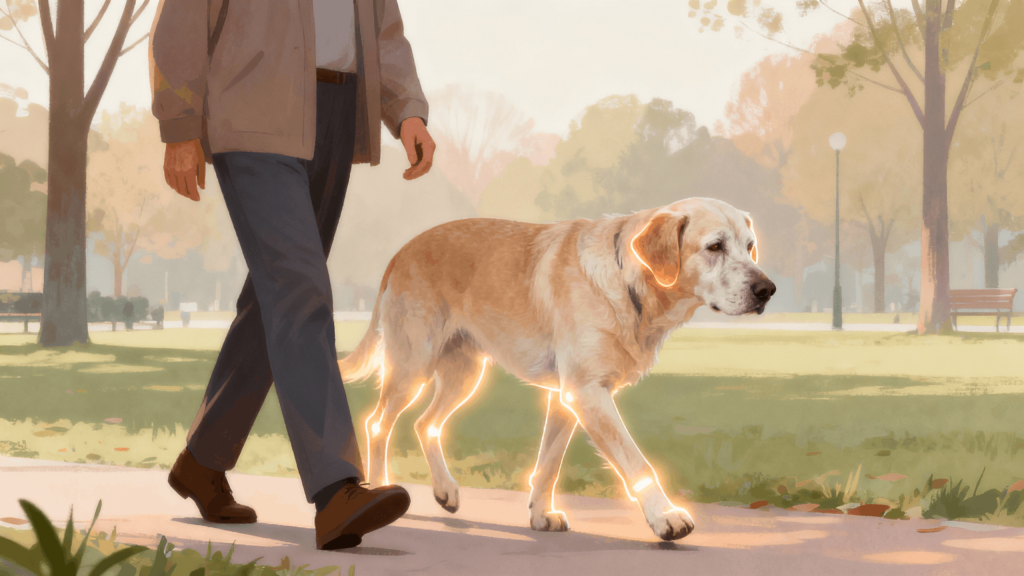
Aging is gradual and affects multiple systems:
- Joint and muscle changes: Reduced cartilage resilience and muscle mass
- Metabolic shifts: Slower energy use and altered nutrient needs
- Sensory changes: Diminished vision, hearing, or smell
- Cognitive changes: Slower learning and altered sleep patterns
Quick Tip Box – Signs Your Dog Is Entering Senior Years:
- Stiffness after rest
- Reduced stamina during walks
- Changes in sleep–wake cycles
- Increased sensitivity to temperature or noise
Supporting Comfort and Mobility

Mobility support helps maintain independence and confidence:
- Gentle, consistent movement maintains joint flexibility
- Low-impact activities reduce strain on aging joints
- Warm, supportive bedding promotes muscle relaxation
Quick Tip Box – Mobility-Friendly Habits:
- Short, frequent walks instead of long sessions
- Non-slip flooring in key areas
- Ramps or steps for furniture and vehicles
- Gentle stretching during calm moments
Supporting Mental and Emotional Vitality
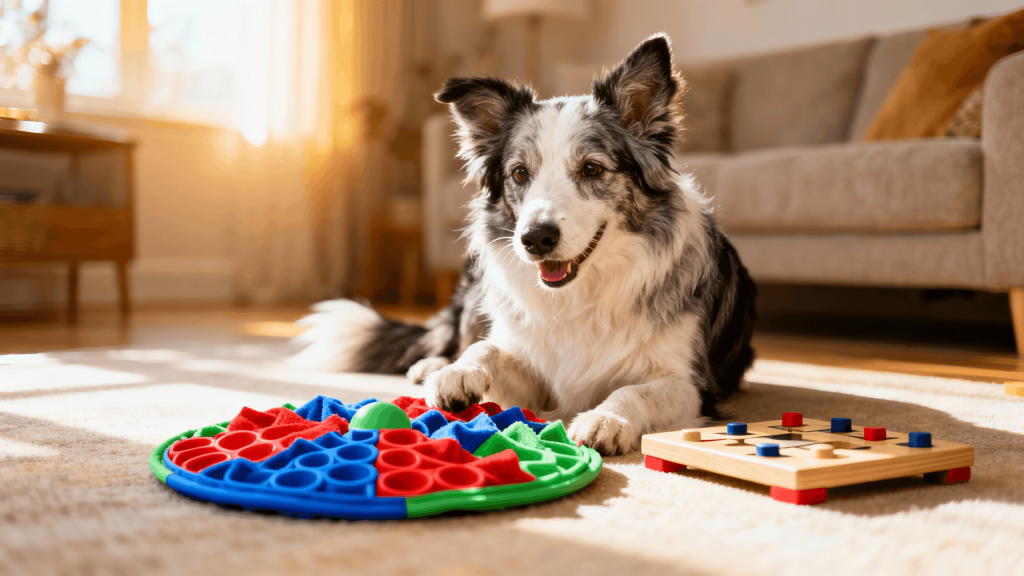
Cognitive and emotional health remain important throughout life:
- Mental enrichment supports brain function
- Predictable routines reduce confusion and stress
- Positive social interaction maintains confidence
Quick Tip Box – Brain and Emotional Support:
- Short training or puzzle activities
- Familiar toys and scents
- Calm reassurance during new situations
- Consistent daily schedules
Nutrition and Daily Care Considerations

Nutrition and routine care adapt with age:
- Easily digestible, balanced meals support metabolism
- Adequate hydration supports kidney and joint health
- Regular grooming helps monitor skin, coat, and comfort
Quick Tip Box – Senior Dog Care Essentials:
- Monitor weight and appetite regularly
- Observe chewing and dental comfort
- Keep feeding and medication routines consistent
- Schedule regular veterinary wellness checks
Creating a Senior-Friendly Environment
Environmental support enhances safety and comfort:
- Quiet resting areas away from household noise
- Easy access to food, water, and resting spots
- Gentle lighting for dogs with reduced vision
- Stable routines to reduce stress

References
- Landsberg, G. M., et al. (2012). Cognitive dysfunction syndrome in senior dogs. Journal of Veterinary Behavior, 7(4), 202–213.
- Johnston, S. A. (1997). Osteoarthritis: Joint anatomy, physiology, and pathobiology. Veterinary Clinics of North America: Small Animal Practice, 27(4), 699–723.
- Case, L. P., et al. (2011). Canine and Feline Nutrition. Elsevier.
- Laflamme, D. P. (2012). Nutrition and management of aging dogs. Veterinary Clinics of North America: Small Animal Practice, 42(4), 769–791.
Conclusion
Caring for senior dogs involves supporting comfort, mobility, and vitality through thoughtful daily habits and environmental adjustments. By recognizing age-related changes early and adapting routines with patience and care, owners can help their dogs maintain independence, confidence, and quality of life. A natural, science-informed approach allows senior dogs to age with dignity and comfort.