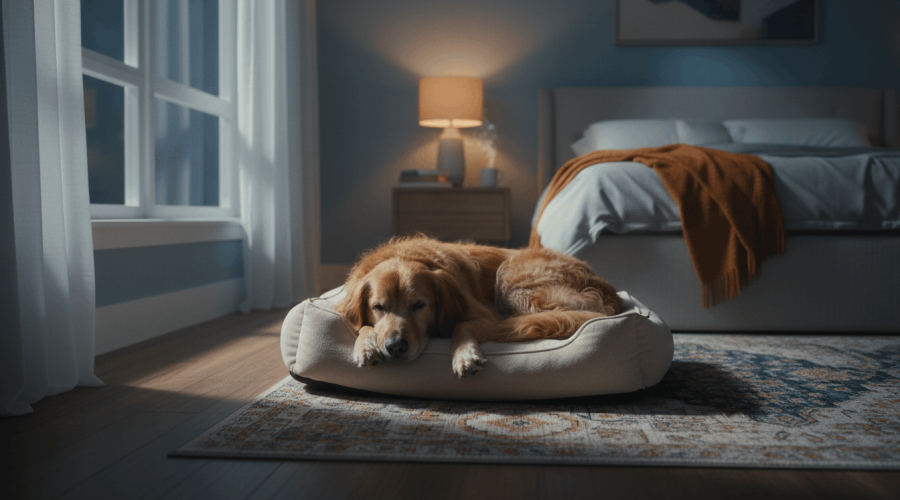
How to Stop Dog Barking at Night: Stressors, Environment, and Calm Strategies
Written by MyCern Research & Editorial Team
If your dog barking at night keeps you awake, you’re not alone. Nighttime barking is one of the most common and frustrating canine behavior challenges. Learning how to stop dog barking at night isn’t just about training, it’s about understanding why your dog barks, addressing stressors, optimizing their environment, and meeting their needs.
Dogs bark to communicate, alert to perceived threats, express anxiety, or signal discomfort. Identifying your dog’s motivation is key to helping them settle. The goal isn’t to eliminate all barking, some alerting is normal but to reduce excessive, disruptive vocalization so your household can rest peacefully while supporting your dog’s emotional wellbeing.
This article covers:
- Common reasons dogs bark at night and what triggers the behavior
- Environmental and routine adjustments to promote a quiet dog at night
- Stress and anxiety factors affecting nighttime behavior
- Training strategies and when to seek professional guidance
Understanding Why Dogs Bark at Night

Communication and Alerting
Dog barking is a form of communication. At night, your dog may bark at noises outside, signal discomfort or the need to go out, seek attention, or respond to changes in temperature or surroundings. Dogs are often more reactive in quiet nighttime environments, where sounds are amplified and potentially threatening.
Under-stimulated dogs may also bark out of restlessness. Dogs who haven’t had enough exercise during the day may struggle to settle and vocalize simply because they are not tired enough.
Age and Health Factors
Puppies often bark at night while adjusting to separation from their littermates or learning crate training. Senior dogs may develop nighttime barking due to cognitive dysfunction, confusion, or anxiety.
Medical issues can also trigger night barking. Arthritis, injuries, or other painful conditions worsen when a dog is lying still. Sensory losses, thyroid imbalances, urinary tract infections, or gastrointestinal discomfort may also lead to increased nighttime vocalization.
Creating an Optimal Sleep Environment
Location and Comfort
Where your dog sleeps affects nighttime behavior. Many dogs are calmest when they can sense their owners nearby without being on the bed. Others may need a quieter, isolated space free from street noise or household activity.
Provide a comfortable bed appropriate for size, age, and health needs. Orthopedic beds help older dogs with joint pain. Keep bedding clean, in a draft-free location, and adjust room temperature for comfort.
Reducing Environmental Triggers
Block sights that trigger barking by closing blinds or curtains. Use white noise or fans to mask sudden sounds. Ensure your dog’s elimination needs are met before bedtime, especially for puppies, senior dogs, or those with medical conditions.
Addressing Stress and Anxiety
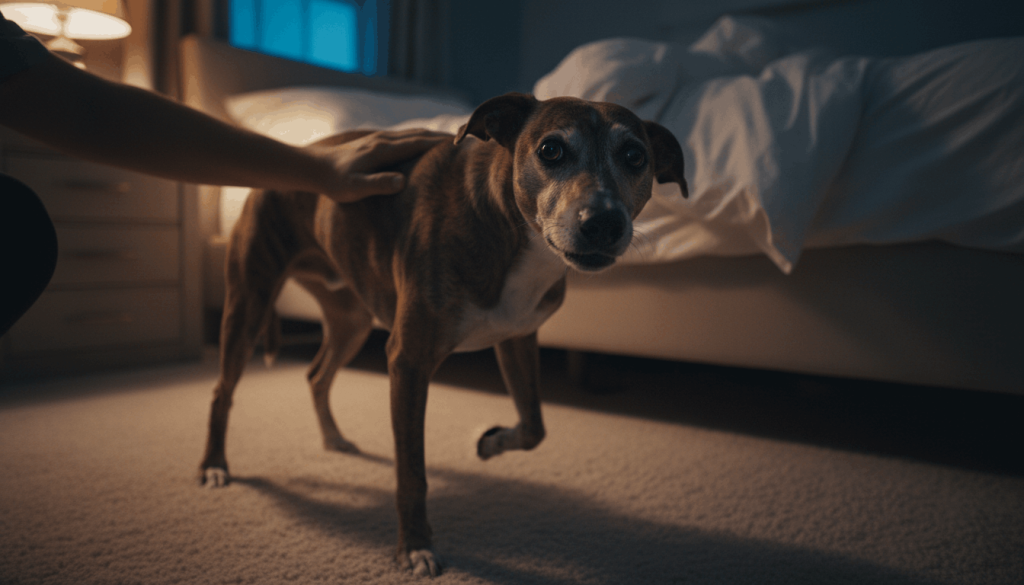
Separation Anxiety and Nighttime Fears
Some dogs bark at night due to separation anxiety. They may bark immediately after you go to bed, pant, drool, or show destructive behaviors. Gradually increasing distance between your bedroom and your dog over time helps them feel secure.
Provide comforting items, like blankets or clothing with your scent, consider calming pheromones under veterinary guidance, and maintain a consistent bedtime routine. Nightlights may help dogs anxious in complete darkness.
Under-Stimulation and Excess Energy
Dogs with insufficient daily exercise or mental engagement may be too alert at night. High-energy breeds, young dogs, and working breeds need 30–60+ minutes of physical activity plus mental enrichment through puzzle toys, scent games, or interactive play. A tired dog is far more likely to be a quiet dog at night.
Training and Behavioral Strategies
Establishing a Calming Bedtime Routine
Set consistent pre-sleep habits. Take your dog for a bathroom break 30–60 minutes before bed, offer calm interaction, feed dinner a few hours prior, and use consistent cues like “settle” to signal it’s bedtime.
Avoid rushing to your dog at the first bark—this reinforces the behavior. Instead, reward calm moments with attention or treats to teach that quiet earns rewards.
Teaching “Quiet” Commands
Train a “quiet” command during calm periods. Reward naturally quiet moments with praise or treats, gradually introducing the verbal cue. Reinforce calm behavior consistently to make silence the default.
What Not to Do
Avoid punishment-based methods yelling, physical corrections, or shock collars. These increase stress, worsen barking, and damage trust. Never ignore barking that signals genuine distress or medical issues; respond with compassionate, appropriate care.
When to Seek Professional Help

Behavioral Consultation
Professional dog trainers or veterinary behaviorists can help if:
- Barking persists despite environmental changes
- Barking is accompanied by aggression or destructive behavior
- You suspect separation anxiety or fear-based behavior
- Neighborhood conflicts arise due to nighttime barking
Medical Evaluation
If sudden barking occurs in previously quiet dogs, especially seniors, consult a veterinarian to rule out pain, cognitive dysfunction, or other health issues. Treating medical problems often resolves nighttime vocalization.
How MyCern Supports Canine Wellbeing
At MyCern, we know that stress and anxiety can influence dog behavior, including barking at night. Supporting your dog’s emotional balance and overall wellness through proper nutrition creates conditions where behavioral strategies work best. A dog who feels comfortable, secure, and stimulated is naturally more likely to sleep quietly, making your training efforts more effective.
Practical Steps to Quiet Dog at Night
- Increase daytime exercise and mental stimulation to reduce nighttime restlessness
- Implement consistent pre-sleep routines and cues
- Optimize the sleep environment with comfortable bedding and minimal triggers
- Address late-night elimination needs
- Reward quiet behavior with praise or treats
- Rule out medical causes for sudden or persistent barking
Conclusion
Understanding how to stop dog barking at night requires patience, consistency, and empathy. Barking is communication, not defiance. By addressing stress, optimizing the environment, providing sufficient exercise, and using positive reinforcement, you can help your dog develop calm, quiet nighttime behavior. Persistent issues may require professional behavioral or veterinary guidance, ensuring your dog’s wellbeing while restoring peace to your household.
References
- Riemer, S. (2023). Therapy and prevention of noise fears in dogs—A review of the current evidence for practitioners. Animals, 13(23), 3664.
- Adams, G. J., & Johnson, K. G. (1994). Behavioural responses to barking and other auditory stimuli during night-time sleeping and waking in the domestic dog (Canis familiaris). Applied Animal Behaviour Science, 39(2), 151-162.
- Tooley, C., & Heath, S. E. (2022). Sleep characteristics in dogs; effect on caregiver-reported problem behaviours. Animals, 12(14), 1753.
- Sargisson, R. J. (2014). Canine separation anxiety: strategies for treatment and management. Veterinary Medicine: Research and Reports, 143-151.