Dog Head Tilt Explained: What It Might Mean and How to Respond
Written by MyCern Research & Editorial Team
The adorable dog head tilt, when your canine companion cocks their head to one side, often while you’re talking to them, is one of the most endearing canine behaviors. While it often signals harmless curiosity or attentiveness, understanding dog head tilt causes helps you distinguish charming communication from potential medical issues. Context, frequency, and accompanying symptoms determine whether a head tilt reflects normal behavior or a concerning condition requiring veterinary care.
Most occasional head tilts simply show your dog trying to hear or understand you better, perfectly normal communication. However, persistent tilting, tilting alongside other symptoms like loss of balance or eye abnormalities, or sudden frequent tilts warrants closer observation. Recognizing the difference protects your dog’s health while letting you appreciate this uniquely canine form of expression.
This article explores why dogs tilt their heads, medical conditions that may cause persistent tilting, how to respond, and when professional evaluation is necessary.
Understanding Normal Dog Head Tilt Behavior

The Curiosity and Attention Hypothesis
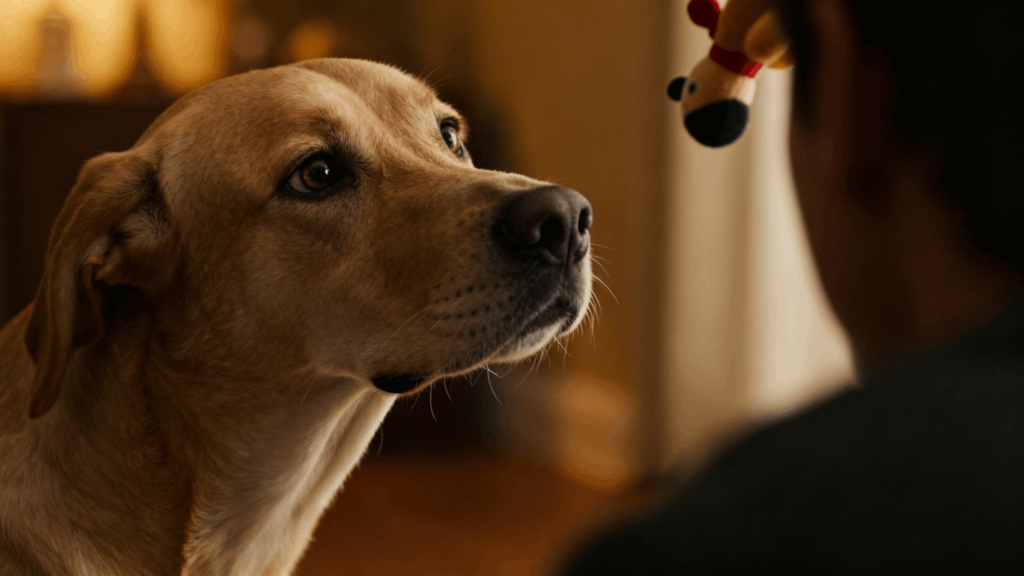
The charming dog head tilt you see when speaking likely serves multiple communication and sensory functions. Dogs tilt their heads to locate sounds more accurately, their ear structures and head shapes can make pinpointing sound origin tricky. Tilting may help triangulate audio location more effectively.
Dogs may also tilt to see your face more clearly, especially breeds with long snouts that obscure parts of their visual field. By tilting, they can better read your facial expressions, particularly your eyes and mouth, helping them understand your intentions and emotions. Head tilts often occur in response to interesting sounds, higher-pitched voices, or familiar words like “treat” or “walk,” reflecting active listening and cognitive processing.
Social Learning and Reinforcement
Humans often respond with delight when dogs tilt their heads, which reinforces the behavior. Attention, petting, or treats make dogs more likely to tilt again in the future. While the tilt is genuinely sensory-driven, social feedback strengthens its frequency, turning it into a mutually rewarding form of communication.
Medical Dog Head Tilt Causes Requiring Attention
Vestibular Disease: The Most Common Medical Cause
Persistent head tilting can indicate vestibular disease, affecting balance and spatial orientation. Dogs with vestibular disease often tilt toward the affected side, stumble, circle, show rapid eye movements (nystagmus), and may experience nausea or vomiting. Peripheral vestibular disease often arises from inner ear infections, inflammatory conditions, or idiopathic vestibular syndrome, which usually improves within days to weeks. Central vestibular disease—less common but more serious—can signal brain tumors, strokes, or inflammatory brain disorders.
Ear Infections and Aural Hematomas
Ear infections, especially in the middle or inner ear, frequently cause dog head tilt causes due to discomfort. Signs include head tilting toward the affected ear, scratching, head shaking, odor, redness, discharge, and pain when ears are touched. Aural hematomas, blood-filled ear flap swellings, can also pull the head to one side, prompting tilting.
Neurological Conditions
Persistent tilting can indicate neurological issues such as brain tumors, strokes, inflammatory brain diseases, or head trauma. Accompanying symptoms may include seizures, behavioral changes, weakness, or altered consciousness, distinguishing these from benign head tilts.
Head Tilt in Dogs Meaning: Reading the Context
Distinguishing Normal from Concerning Tilts
Normal tilts appear in response to specific stimuli, resolve quickly, and occur with otherwise normal behavior—playfulness, good appetite, and normal activity. Concerning tilts are persistent, always favor one side, accompany other symptoms like imbalance or vomiting, or worsen over time.
Age and Breed Considerations
Certain breeds, like Cavalier King Charles Spaniels and Cocker Spaniels, are more prone to medical conditions causing head tilt. Older dogs may develop idiopathic vestibular syndrome, while puppies may show tilting from congenital or developmental issues affecting balance.
When to Seek Veterinary Evaluation
Red Flag Symptoms
Seek immediate attention if head tilting comes with inability to walk, severe loss of balance, rapid eye movements, vomiting, extreme lethargy, seizures, or other neurological symptoms.
What to Expect at the Veterinary Visit
Veterinarians will perform neurological exams, thorough ear inspections, blood work, and possibly imaging (X-rays, CT, MRI). Treatment depends on the cause, ear infections receive antibiotics and anti-inflammatories, vestibular disease may need supportive care, and neurological issues require specialized treatment.
Supporting Dogs With Medical Head Tilting

Home Care During Recovery
Supportive care includes providing safe, padded environments, accessible food and water, assisted bathroom breaks if needed, and maintaining calm routines. Most idiopathic vestibular cases improve within 72 hours, with continued gradual improvement over 1–2 weeks. Some dogs retain a slight tilt without affecting quality of life.
How MyCern Supports Overall Canine Wellness
At MyCern, our wellness philosophy emphasizes informed, observant pet care. Behavioral changes like head tilting can indicate stress or health issues. Supporting your dog’s immune health, digestive balance, and stress resilience through proper nutrition can complement veterinary care and may help reduce risks for some conditions causing medical tilts.
Responding to Dog Head Tilts Appropriately
- Enjoy normal communication tilts as a sign of attentiveness.
- Observe context and duration, temporary versus persistent.
- Check for other symptoms such as balance problems, eye abnormalities, or ear issues.
- Don’t ignore persistent tilting; consult a veterinarian if it continues.
- Avoid home treatments for medical causes without guidance.
- Provide safe environments and follow veterinary instructions during recovery.
- Monitor for recurrence, particularly in breeds prone to ear infections.
Conclusion
Understanding dog head tilt means recognizing the difference between normal communication and potential medical causes. While most tilts reflect curiosity and attentiveness, persistent tilting accompanied by imbalance, eye abnormalities, or other symptoms may indicate vestibular disease, ear infections, or neurological conditions. Observing context, noting symptoms, and seeking timely veterinary care ensures your dog stays healthy while you continue to enjoy this uniquely canine gesture.
References
- Dewey, C. W., & Da Costa, R. C. (Eds.). (2015). Practical guide to canine and feline neurology. John Wiley & Sons.
- Rossmeisl, J. H. (2010). Vestibular disease in dogs and cats. Veterinary Clinics: Small Animal Practice, 40(1), 81-100.
- Mertens, A. M., Schenk, H. C., & Volk, H. A. (2023). Current definition, diagnosis, and treatment of canine and feline idiopathic vestibular syndrome. Frontiers in veterinary science, 10, 1263976.
- Reddy, B. S., Swetha, K., & Sivajothi, S. (2025). Otitis Interna and its Clinical Management. In Common Ear Diseases in Dogs: Diagnosis and Management (pp. 207-224). Bentham Science Publishers.