Maintaining Muscle Tone in Cats: Why Strength Matters Beyond Just Mobility
Written by MyCern Research & Editorial Team
Cats are often admired for their flexibility and graceful movement, but beneath that agility lies an important foundation that is easy to overlook: muscle strength. Cat muscle tone is not only about jumping higher or landing smoothly, it plays a vital role in metabolism, organ support, balance, and long-term health. When muscle mass declines, the effects extend far beyond reduced mobility.
This article explores why maintaining feline strength is essential at every life stage, how muscle loss develops over time, and what daily habits help preserve healthy muscle tone in cats.
Why Cat Muscle Tone Matters More Than You Think
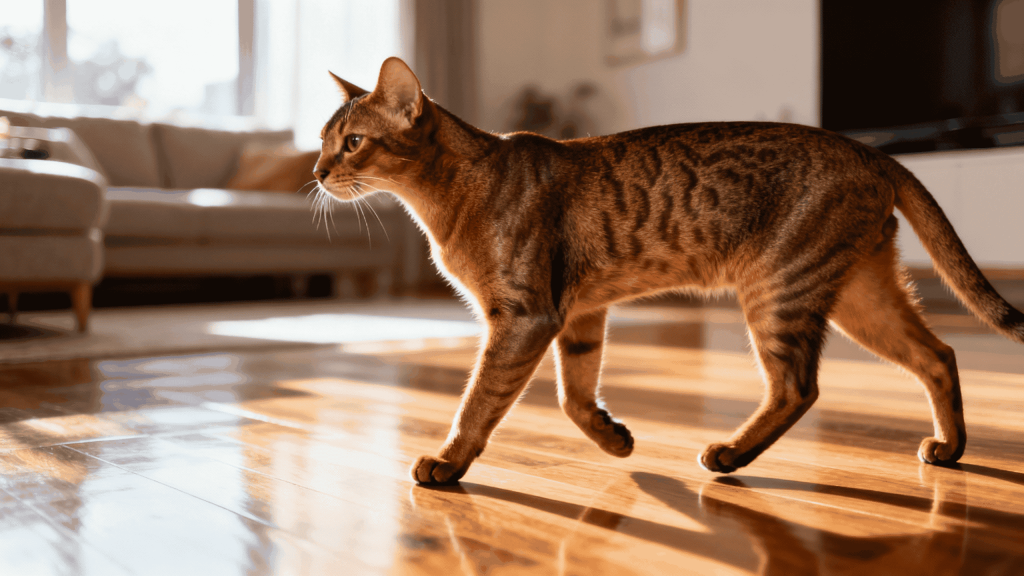
Muscle tissue is metabolically active. In cats, well-maintained muscle supports stable blood glucose regulation, efficient energy use, and proper posture. Strong muscles also help protect joints, absorb impact during movement, and stabilize the spine.
Beyond the musculoskeletal system, muscle tone contributes to internal organ support. The abdominal and core muscles help maintain normal organ positioning and assist with breathing mechanics. Declining muscle mass can subtly affect these systems, even before obvious weakness appears.
Healthy muscle also plays a role in balance and coordination. Cats rely on precise neuromuscular control for climbing, grooming, and navigating their environment. Reduced muscle tone can increase the risk of slips, falls, and hesitation during movement.
Muscle Loss in Senior Cats: A Gradual but Significant Change
Muscle loss in senior cats, also known as age-related sarcopenia, often develops quietly. Unlike sudden injuries, muscle decline happens slowly and may be mistaken for normal aging. Cats may jump less frequently, groom less thoroughly, or appear thinner along the spine and hind limbs despite stable body weight.
This loss is influenced by several factors, including reduced activity, changes in protein metabolism, hormonal shifts, and low-grade inflammation. Senior cats may also experience decreased appetite or altered nutrient absorption, further accelerating muscle breakdown.
Importantly, muscle loss does not only affect elderly cats. Periods of inactivity, illness, or chronic stress at any age can contribute to reduced muscle tone if not addressed early.
Strength and Metabolic Health
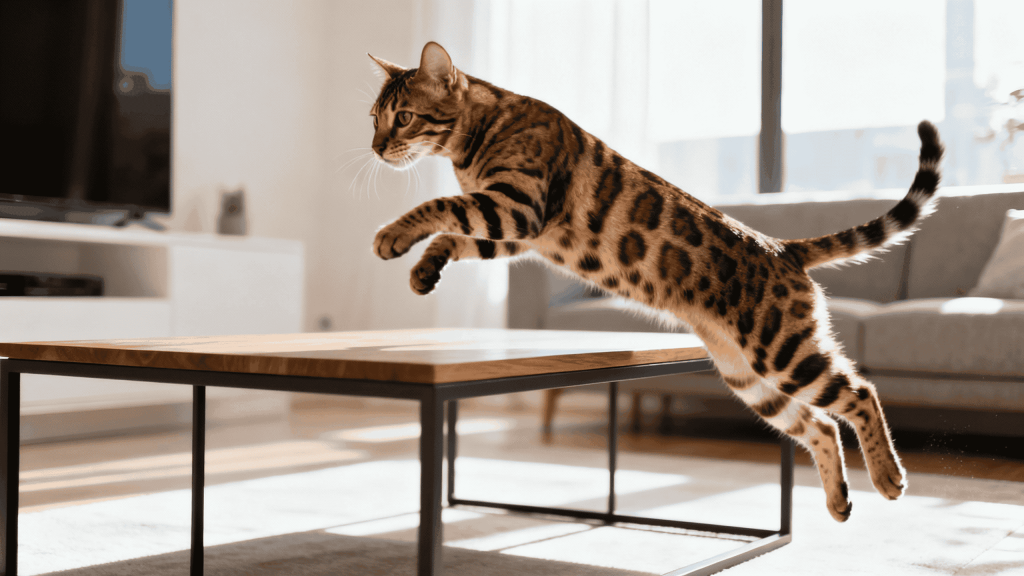
Maintaining feline strength supports more than movement, it helps regulate metabolism. Muscle tissue improves insulin sensitivity and energy balance, making it particularly important for cats prone to weight gain or metabolic changes later in life.
When muscle mass decreases, cats may experience reduced energy efficiency and increased fat accumulation, even if calorie intake remains unchanged. Preserving muscle tone helps maintain a healthier body composition and supports long-term metabolic stability.
Daily Habits That Support Maintaining Feline Strength
Supporting cat muscle tone does not require intense exercise. Consistent, natural movement aligned with feline behavior is most effective.
Interactive play that mimics hunting stalking, pouncing, and climbing, engages multiple muscle groups while also stimulating the nervous system. Short, frequent play sessions are often more beneficial than long, infrequent ones.
Environmental enrichment is equally important. Vertical spaces such as cat trees, shelves, or window perches encourage climbing and controlled jumping, helping maintain strength in the hind limbs and core.
Nutrition also plays a foundational role in maintaining feline strength. Adequate, high-quality protein supports muscle maintenance and repair, particularly in adult and senior cats. Consistent feeding routines help stabilize energy availability for muscle metabolism.
Early Awareness Makes a Difference
Monitoring subtle physical changes can help identify early muscle decline. Reduced jumping ability, visible thinning along the back legs, or changes in posture may signal decreasing muscle tone rather than simple aging.
Addressing these changes early through activity adjustments, environmental support, and nutritional review can slow progression and preserve quality of life.

Conclusion
Cat muscle tone is a cornerstone of feline health that extends far beyond mobility. From metabolic balance to organ support and coordination, muscle strength influences how cats move, rest, and age. Understanding the risks of muscle loss in senior cats and taking proactive steps toward maintaining feline strength, helps ensure that cats remain resilient, confident, and comfortable throughout their lives.
References
- Laflamme, D. P. (2005). Nutrition for aging cats and dogs and the importance of body condition. Veterinary Clinics: Small Animal Practice, 35(3), 713-742.
- Bellows, J., Center, S., Daristotle, L., Estrada, A. H., Flickinger, E. A., Horwitz, D. F., … & Shoveller, A. K. (2016). Aging in cats: common physical and functional changes. Journal of Feline medicine and surgery, 18(7), 533-550.
- Laflamme, D. P. (2005). Nutrition for aging cats and dogs and the importance of body condition. Veterinary Clinics: Small Animal Practice, 35(3), 713-742.
- Fahey Jr, G. C., Barry, K. A., & Swanson, K. S. (2008). Age-related changes in nutrient utilization by companion animals. Annu. Rev. Nutr., 28(1), 425-445.