
Pancreatitis in Dogs: Causes, Symptoms, and Dietary Considerations
Written by MyCern Research & Editorial Team
Pancreatitis in dogs is a condition that often appears suddenly, yet its underlying drivers may have been developing quietly over time. While it is commonly associated with dietary indulgence, pancreatitis is better understood as a state of digestive overload and inflammatory stress, particularly involving fat metabolism and enzyme regulation.
For pet owners, understanding pancreatitis goes beyond recognizing acute illness. It involves appreciating how the pancreas functions, why certain dogs are more sensitive than others, and how nutrition influences both risk and recovery.
This article explores:
- The role of the pancreas in digestion and metabolism
- What happens physiologically during pancreatitis
- Why dietary fat is a major trigger
- Which dogs are more vulnerable to pancreatic stress
- Nutritional considerations during recovery and long-term support
The Pancreas and Its Role in Digestion
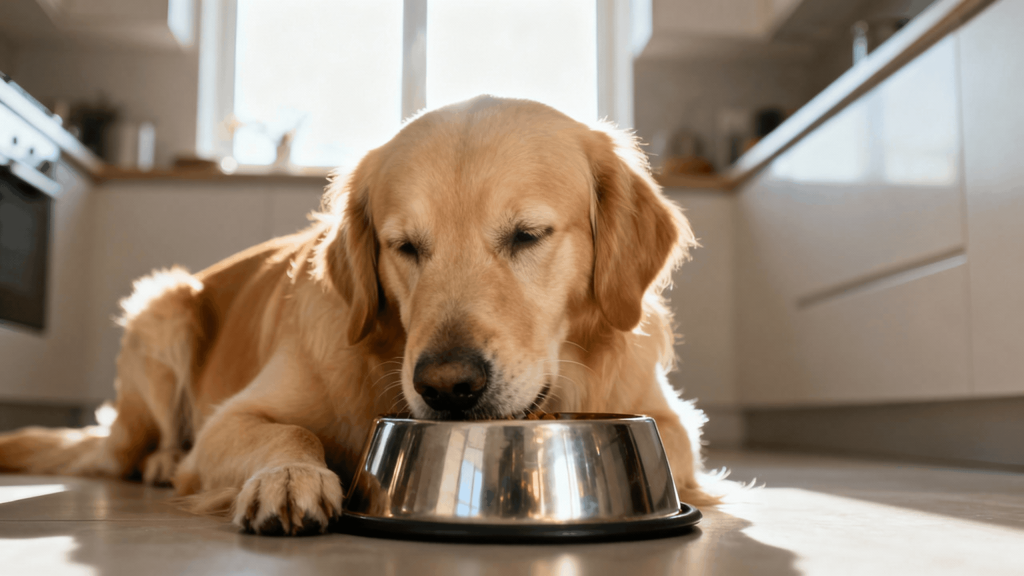
The pancreas plays a dual role in the body. It produces digestive enzymes that help break down fats, proteins, and carbohydrates, and it releases hormones such as insulin that regulate blood sugar.
Under normal conditions, pancreatic enzymes remain inactive until they reach the small intestine. This precise timing prevents damage to pancreatic tissue and allows efficient digestion.
What Is Pancreatitis?
Pancreatitis occurs when digestive enzymes become prematurely activated within the pancreas itself. Instead of digesting food, these enzymes begin to digest pancreatic tissue, triggering inflammation, swelling, and cellular damage.
This inflammatory process can disrupt digestion, alter blood flow to nearby organs, and place significant metabolic stress on the body.
Fat Sensitivity and Pancreatic Stress
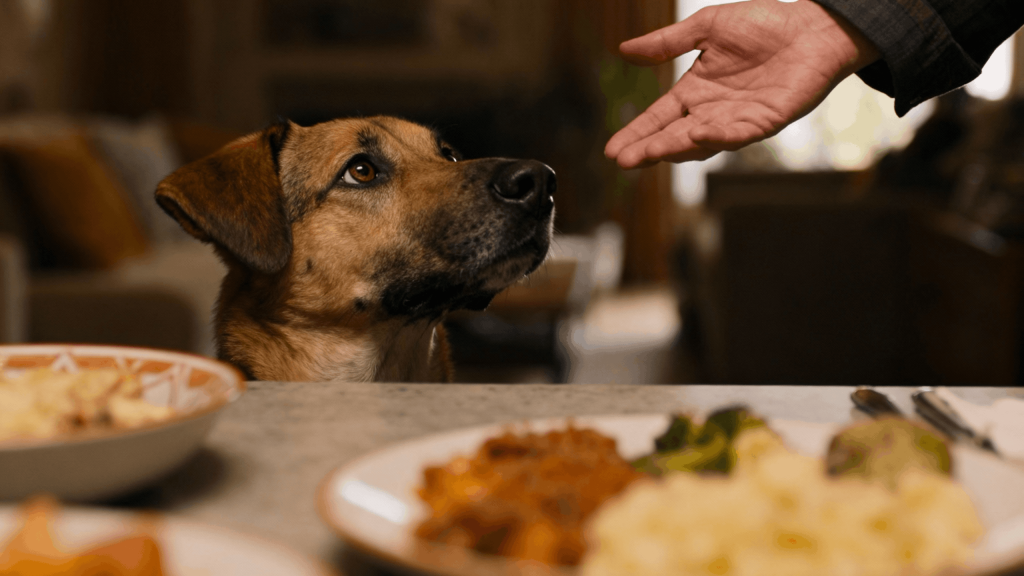
Dietary fat requires substantial pancreatic enzyme output for proper digestion. In dogs with reduced tolerance, excessive or sudden fat intake can overwhelm pancreatic capacity.
High-fat meals may:
- Increase enzyme secretion demands
- Delay gastric emptying
- Prolong digestive workload
When enzyme regulation fails, the risk of pancreatic inflammation rises. This explains why pancreatitis is often linked to table scraps, rich treats, or abrupt dietary changes rather than routine feeding.
Dogs at Higher Risk
Not all dogs respond to fat intake in the same way. Certain factors increase susceptibility to pancreatic stress:
- Small-breed dogs
- Overweight or obese dogs
- Dogs with endocrine disorders
- Dogs with prior pancreatic episodes
In these dogs, pancreatic tissue may be more reactive to metabolic fluctuations, making consistency and moderation especially important.
Digestive Stress Beyond Fat Intake

While fat is a key trigger, pancreatitis is not solely a dietary fat issue. Digestive stress can also arise from irregular feeding patterns, enzyme insufficiency, or concurrent gastrointestinal inflammation.
When the digestive system is under chronic stress, pancreatic enzyme signaling may become dysregulated, increasing vulnerability even to moderate dietary challenges.
Symptoms as Signals of Digestive Overload
Clinical signs of pancreatitis often reflect the body’s response to inflammation and digestive disruption. These may include reduced appetite, abdominal discomfort, lethargy, or altered posture.
Such signs are not merely gastrointestinal—they indicate systemic stress involving inflammation, fluid balance, and metabolic regulation.
Dietary Considerations During Recovery
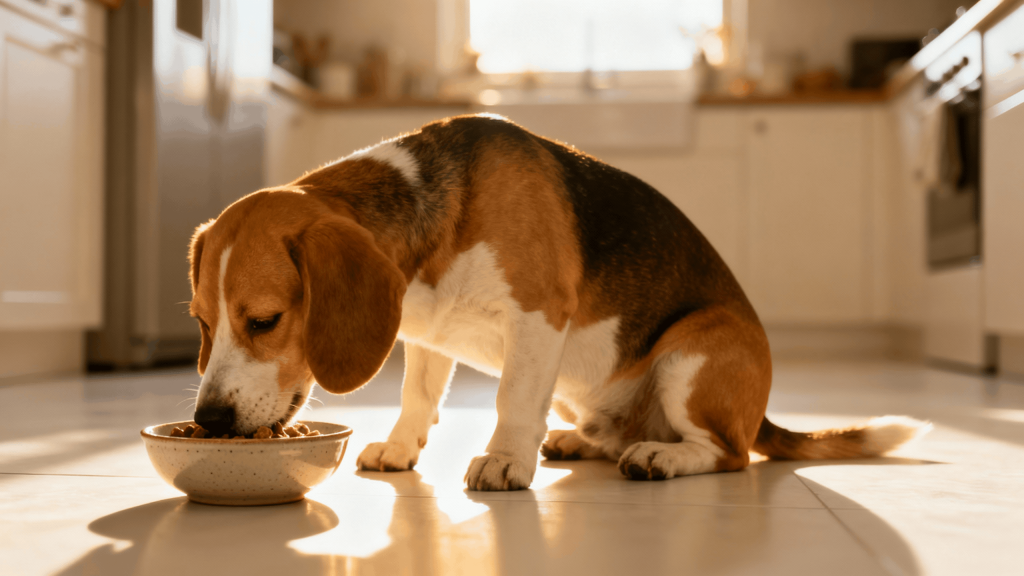
Nutritional strategy is central to pancreatic recovery. The goal is to reduce digestive workload while supporting tissue repair and metabolic balance.
Key principles include:
- Controlled fat intake to limit enzyme demand
- Highly digestible nutrients to reduce digestive effort
- Consistent feeding schedules to stabilize enzyme release
Rather than eliminating fat entirely, dietary balance focuses on appropriate fat levels that match a dog’s individual tolerance.
Supporting Digestive Efficiency Long Term
After an episode of pancreatitis, the pancreas may remain sensitive. Ongoing dietary consistency helps reduce the likelihood of recurrent stress.
Nutrients that support cellular integrity, antioxidant balance, and digestive efficiency may play a supportive role by helping the body manage inflammatory byproducts and metabolic demands without overstimulation.
Veterinary Monitoring and Individualized Care
Pancreatitis varies widely in severity and recurrence risk. Veterinary evaluation is essential for diagnosis, monitoring recovery, and tailoring dietary strategies to the individual dog’s needs.
Long-term management often involves periodic reassessment rather than a one-time dietary adjustment.

Conclusion
Pancreatitis in dogs is best understood as a condition rooted in digestive regulation and metabolic balance, not simply dietary indulgence. Sensitivity to fat, cumulative digestive stress, and individual physiology all influence pancreatic resilience. By understanding these mechanisms and prioritizing consistent, supportive nutrition, dog owners can better protect pancreatic function and support long-term digestive stability.
References
- Mansfield, C. S. (2012). Pathophysiology of acute pancreatitis: Potential application from humans to dogs. Journal of Veterinary Internal Medicine, 26(4), 875–887.
- Xenoulis, P. G. (2015). Diagnosis of pancreatitis in dogs and cats. Journal of small animal practice, 56(1), 13-26.
- Watson, P. (2015). Pancreatitis in dogs and cats: Definitions and pathophysiology. Journal of Small Animal Practice, 56(1), 3–12.
- Xenoulis, P. G., Steiner, J. M., & Monnet, E. (2023). Pancreatitis. Small Animal Soft Tissue Surgery, 230-250.
- German, A. J. (2006). The growing problem of obesity in dogs and cats. The Journal of nutrition, 136(7), 1940S-1946S.