

Chronic Kidney Disease in Cats: Early Warning Signs Every Owner Should Know
Written by MyCern Research & Editorial Team
Chronic kidney disease (CKD) is one of the most common age-related conditions affecting cats, yet it often progresses quietly for months or even years before clear symptoms appear. Because cats are highly adaptive and skilled at masking discomfort, early kidney changes are frequently mistaken for “normal aging.”
Understanding CKD as a gradual loss of filtration efficiency and fluid balance, rather than a sudden illness, allows cat owners to recognize subtle warning signs sooner and support kidney health more effectively throughout aging.
This article explores:
- How feline kidneys function and why they are vulnerable with age
- Why CKD develops slowly and is often missed early
- Subtle signs that may indicate declining kidney function
- The critical role of hydration in kidney workload
- Lifestyle and nutritional considerations for long-term support
The Role of the Kidneys in a Cat’s Body

The kidneys perform continuous, high-demand work. They filter metabolic waste from the bloodstream, regulate electrolyte balance, maintain hydration status, and support blood pressure control.
In cats, kidneys are particularly sensitive to cumulative cellular stress because they have limited regenerative capacity. Once kidney tissue is damaged, remaining nephrons must compensate by working harder, accelerating long-term decline.
What Is Chronic Kidney Disease?
Chronic kidney disease refers to progressive and irreversible loss of kidney function over time. Unlike acute kidney injury, CKD does not resolve; instead, it advances gradually as functional kidney units are lost.
Early in CKD, remaining kidney tissue compensates efficiently. During this stage, blood values may appear normal, even though structural and functional changes are already occurring.
Why Aging Cats Are at Higher Risk

Age is the strongest risk factor for CKD in cats. Over time, kidneys accumulate microscopic damage from oxidative stress, reduced blood flow, and normal metabolic byproducts.
Additional contributors include:
- Long-term low-grade dehydration
- Reduced thirst drive with age
- Increased sensitivity to dietary mineral load
- Declining cellular repair mechanisms
These factors compound gradually, making CKD primarily a disease of senior cats.
Early Warning Signs That Are Often Missed
Because early CKD does not cause obvious pain, signs tend to be subtle and easily overlooked. Common early indicators include:
- Increased water intake
- Larger urine clumps or more frequent urination
- Mild weight loss despite normal appetite
- Reduced grooming or coat quality changes
- Increased sleep or reduced engagement
These changes reflect the kidneys’ reduced ability to concentrate urine and maintain internal balance.
Hydration and Kidney Workload
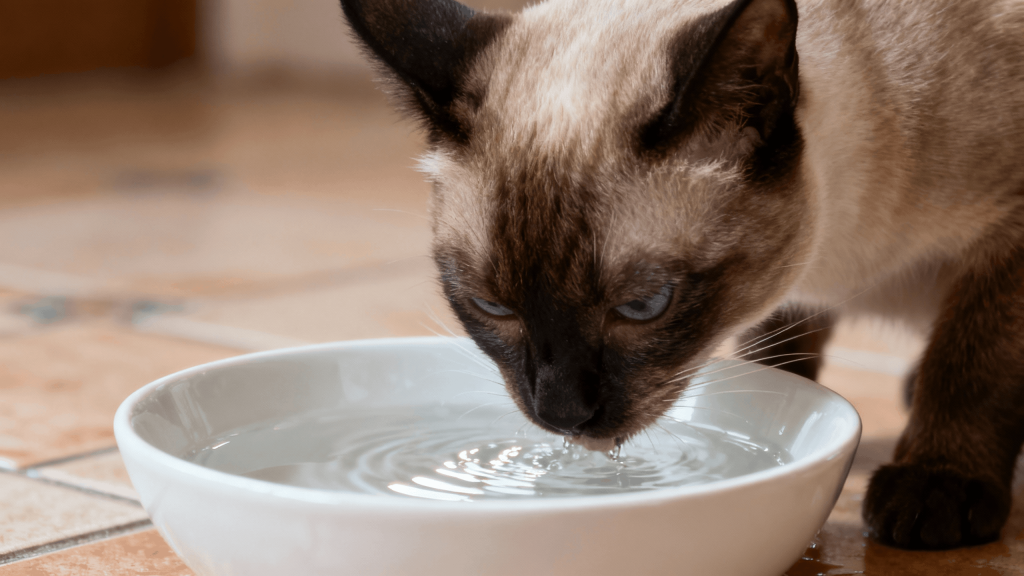
Hydration status has a direct impact on kidney function. Adequate water intake helps dilute waste products and reduces the filtration burden on remaining nephrons.
In cats, hydration challenges are common due to:
- Low thirst drive
- Preference for moisture-rich prey-based diets
- Aversion to stagnant water sources
Supporting hydration is therefore not just about fluid intake, but about reducing chronic filtration stress on kidney tissue.
Metabolic Changes as CKD Progresses
As kidney efficiency declines, metabolic waste products accumulate more easily in the bloodstream. This can influence appetite regulation, energy levels, and gastrointestinal comfort.
Over time, altered mineral balance and acid-base regulation place additional strain on multiple organ systems, which is why CKD often presents with broad, non-specific signs rather than kidney-specific symptoms.
Nutritional Considerations for Long-Term Support

Nutrition plays a central role in managing kidney workload. Rather than focusing on restriction alone, dietary strategies aim to:
- Reduce metabolic waste production
- Support hydration status
- Maintain lean body mass
- Limit excess mineral burden
Consistency and digestibility are key, as abrupt dietary shifts may increase metabolic stress.
Monitoring and Early Veterinary Assessment
Because early CKD changes are subtle, routine wellness screening becomes increasingly important as cats age. Early detection allows for interventions that may slow progression and improve quality of life.
Monitoring trends over time, rather than relying on single measurements, provides a clearer picture of kidney health trajectory.

Conclusion
Chronic kidney disease in cats is not an abrupt condition, but a slow, cumulative process influenced by aging, hydration, and metabolic demand. Recognizing early warning signs and understanding how kidney workload evolves empowers cat owners to support long-term renal resilience. With awareness, consistency, and proactive care, many cats with CKD can maintain comfort and stability well into their senior years.
References
- Brown, C. A., Elliott, J., Schmiedt, C. W., & Brown, S. A. (2016). Chronic kidney disease in aged cats: clinical features, morphology, and proposed pathogeneses. Veterinary pathology, 53(2), 309-326.
- Lawson, J., Elliott, J., Wheeler-Jones, C., Syme, H., & Jepson, R. (2015). Renal fibrosis in feline chronic kidney disease: known mediators and mechanisms of injury. The Veterinary Journal, 203(1), 18-26.
- Polzin, D. J. (2011). Chronic kidney disease in small animals. Veterinary Clinics: Small Animal Practice, 41(1), 15-30.
- Quimby, J. M. (2012). Feline chronic kidney disease: Novel approaches to etiology, specific therapy and supportive care (Doctoral dissertation, Colorado State University).
- Rodrigues Suedde, G. (2024). THE USE OF ANTIEMETICS AND APPETITE STIMULANTS IN DOGS AND CATS WITH CHRONIC KIDNEY DISEASE (Doctoral dissertation).

