Pet Probiotics Explained: How Gut Health Supports Digestion, Immunity, and Mood
Written by MyCern Research & Editorial Team
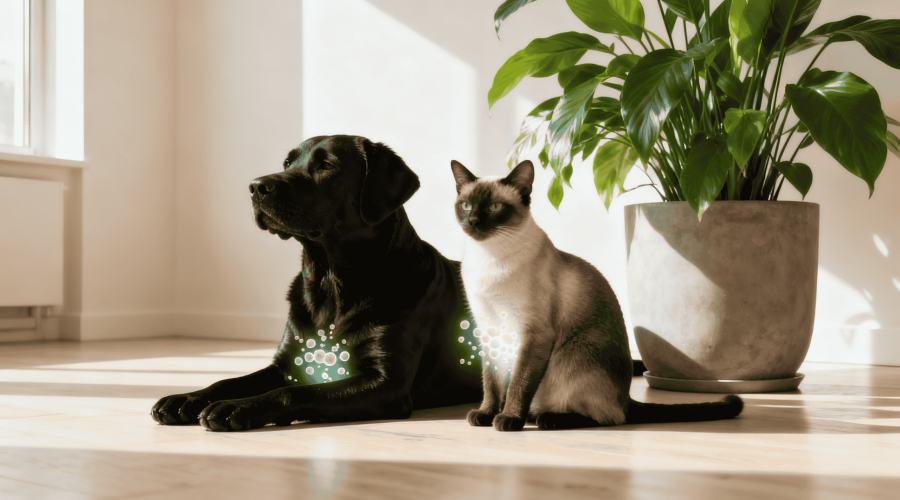
Digestive health is often viewed in isolation focused mainly on stool quality or appetite. However, modern veterinary research shows that the gut plays a much broader role in overall wellness. From immune resilience to behavioral balance, the gastrointestinal system acts as a central hub connecting multiple body systems. This is where pet probiotics come into focus.
Probiotics are beneficial microorganisms that support a balanced gut environment. When the gut microbiome is healthy and diverse, pets are better equipped to digest nutrients, regulate immune responses, and even maintain emotional stability. Understanding how gut health works helps pet parents make informed, science-based decisions rather than relying on trends or one-size-fits-all solutions.
This article explores:
- What pet probiotics are and how they function
- The connection between gut health for pets and digestion
- How the gut influences immunity and mood
- The supportive role of digestive enzymes for dogs and cats
Understanding the Pet Gut Microbiome
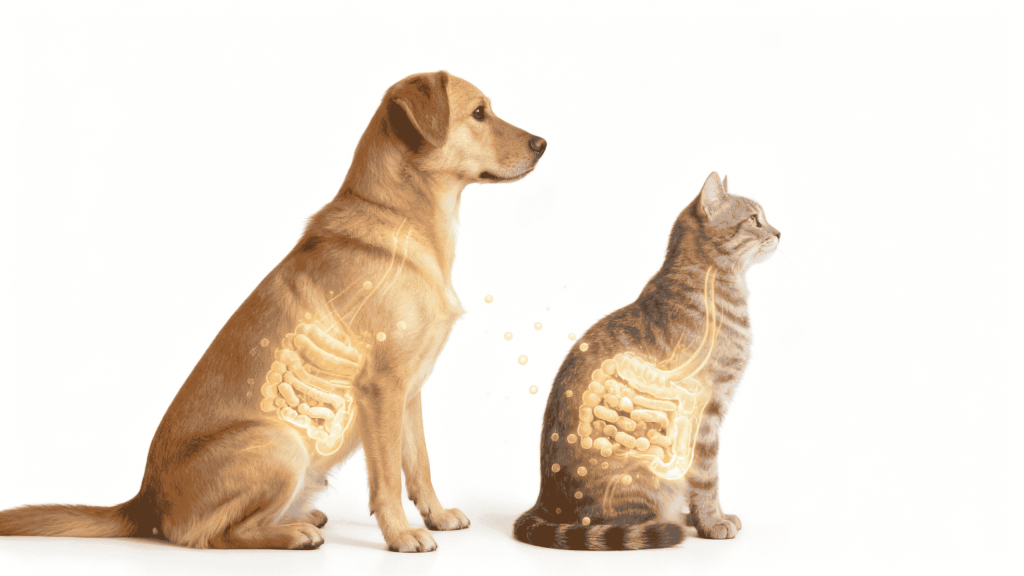
The gut microbiome refers to the community of microorganisms living in the digestive tract. In dogs and cats, this ecosystem includes beneficial bacteria, neutral organisms, and potentially harmful microbes. Health depends on balance not elimination.
A healthy microbiome helps:
- Break down complex nutrients
- Support vitamin synthesis
- Maintain the intestinal barrier
- Communicate with the immune and nervous systems
Stress, antibiotics, aging, dietary changes, and illness can disrupt this balance, leading to digestive upset and broader systemic effects.
What Are Pet Probiotics?
Pet probiotics are live, beneficial bacteria formulated specifically for animal digestive systems. Unlike human probiotics, pet-specific strains are selected to survive the unique pH and transit time of canine and feline gastrointestinal tracts.
Their primary role is to:
- Support microbial balance
- Compete with undesirable bacteria
- Promote a stable digestive environment
Probiotics are not medications and are best viewed as nutritional support tools that work gradually rather than producing immediate effects.
Gut Health for Pets and Digestive Function
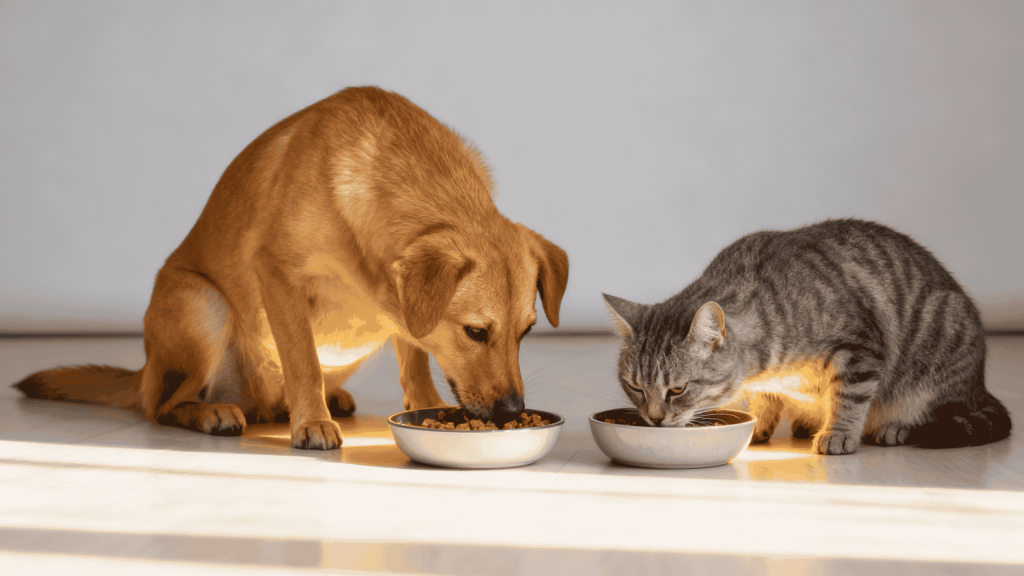
Digestion begins long before nutrients enter the bloodstream. A well-functioning gut ensures that proteins, fats, and carbohydrates are broken down efficiently and absorbed properly.
When gut health is compromised, pets may experience:
- Gas or bloating
- Loose stools or constipation
- Inconsistent appetite
- Food sensitivities
Pet probiotics help support digestion by encouraging a stable microbial environment, which allows digestive processes to function more smoothly. In some cases, probiotics are used alongside digestive enzymes for dogs and cats, which assist in breaking food into absorbable components.
Digestive Enzymes for Dogs and Cats: How They Fit In
Digestive enzymes are compounds that help break down food molecules into smaller units the body can absorb. While probiotics support the gut environment, enzymes support the mechanical process of digestion.
They may be especially helpful for:
- Senior pets with reduced enzyme production
- Pets transitioning diets
- Animals with sensitive digestion
When used thoughtfully, probiotics and digestive enzymes can complement each other—enzymes assist digestion, while probiotics support the gut ecosystem that follows.
The Gut–Immune System Connection
Approximately 70% of a pet’s immune tissue is associated with the gut. This makes the gastrointestinal tract a major training ground for immune responses.
A balanced microbiome helps:
- Distinguish between harmless and harmful stimuli
- Regulate inflammatory responses
- Support immune tolerance
When gut health for pets is compromised, immune responses may become exaggerated or inefficient, potentially contributing to sensitivities or chronic inflammation. Probiotics support immune balance by reinforcing healthy gut-immune communication.
Gut Health and Mood: The Emerging Science
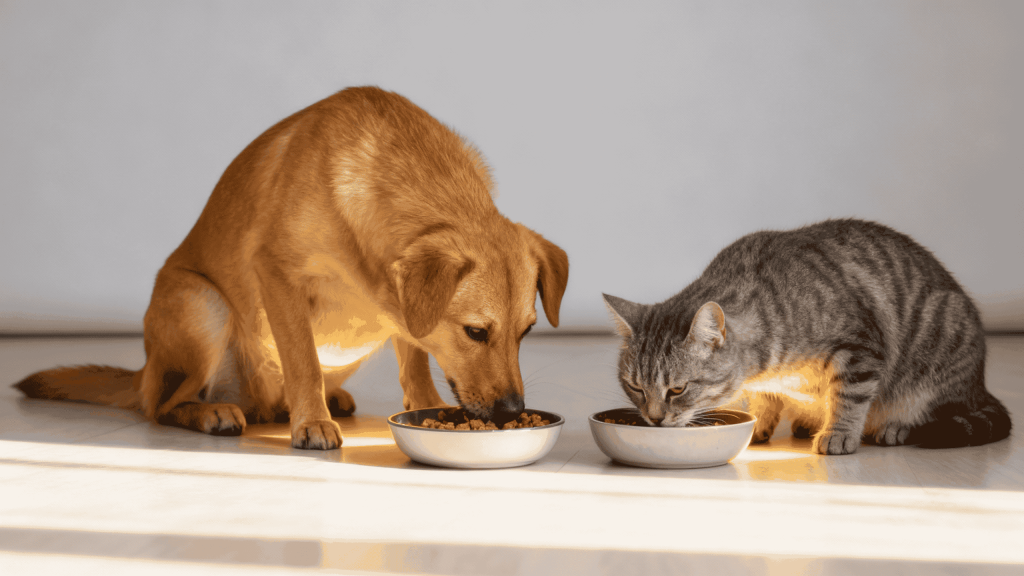
Research increasingly highlights the gut–brain axis—the communication pathway between the gut and the nervous system. In pets, this connection influences stress response, behavior, and emotional regulation.
An imbalanced gut may contribute to:
- Heightened stress responses
- Changes in behavior or restlessness
- Reduced resilience to environmental changes
By supporting microbial balance, pet probiotics may indirectly help stabilize mood and stress responses, especially when combined with routine, enrichment, and proper nutrition.
When Probiotic Support May Be Helpful
Pet probiotics are often considered during:
- Periods of stress (travel, environmental changes)
- Dietary transitions
- Recovery after antibiotic use
- Aging-related digestive changes
Consistency is key. Probiotics typically require regular use over time to support meaningful changes in the gut ecosystem.
Choosing Probiotics Thoughtfully
Not all probiotic products are created equal. Important considerations include:
- Species-specific strains for dogs or cats
- Clear labeling of live cultures
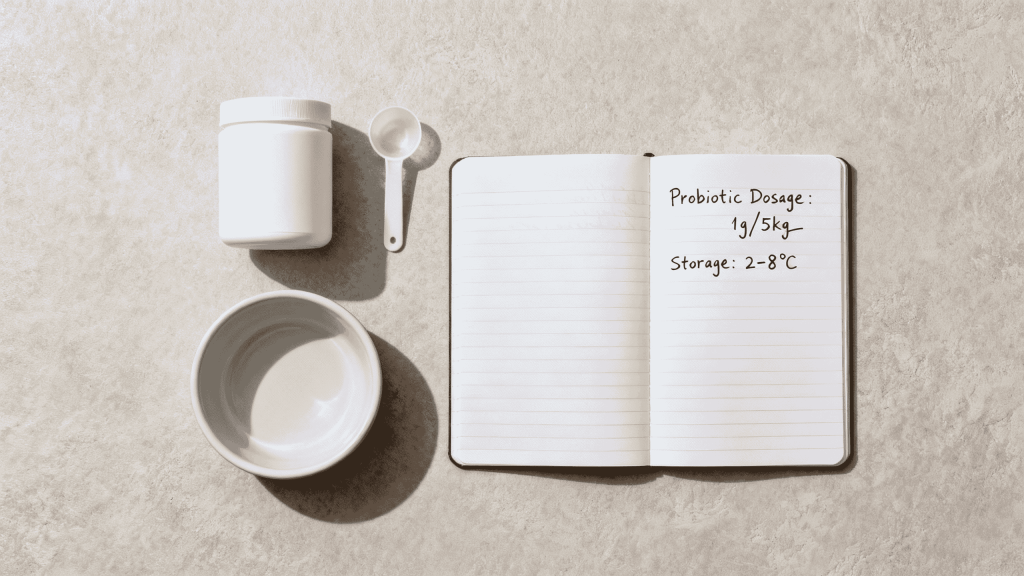
- Appropriate storage and handling
- Integration with an overall wellness plan
Probiotics should support not replace, balanced nutrition and veterinary guidance.
Conclusion
Pet probiotics highlight an important shift in how we understand animal wellness. Gut health is not just about digestion it plays a foundational role in immunity, nutrient absorption, and even emotional balance. By supporting gut health for pets through probiotics and, when appropriate, digestive enzymes for dogs and cats, pet parents can take a proactive, science-informed approach to long-term wellbeing.
When used consistently and thoughtfully, probiotics serve as quiet supporters of internal balance—helping pets feel better from the inside out.
References
- Suchodolski, J. S. (2016). Diagnosis and interpretation of intestinal dysbiosis in dogs and cats. Veterinary Journal, 215, 30–37.
- Belkaid, Y., & Hand, T. W. (2014). Role of the microbiota in immunity and inflammation. Cell, 157(1), 121–141.
- Cryan, J. F., & Dinan, T. G. (2012). Mind-altering microorganisms: The impact of the gut microbiota on brain and behavior. Nature Reviews Neuroscience, 13(10), 701–712.
- Redfern, A., Suchodolski, J., & Jergens, A. (2017). Role of the gastrointestinal microbiota in small animal health and disease. Veterinary record, 181(14), 370-370.