Why Sleep Is Critical for Your Pet’s Healing, Mood, and Memory
Written by MyCern Research & Editorial Team
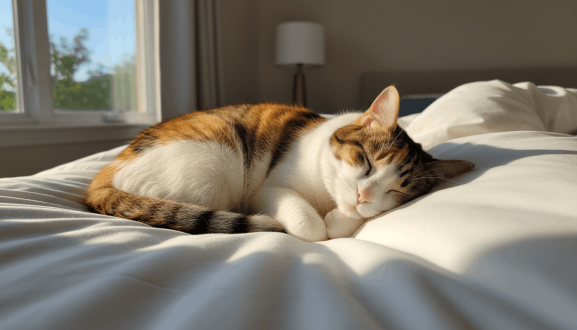
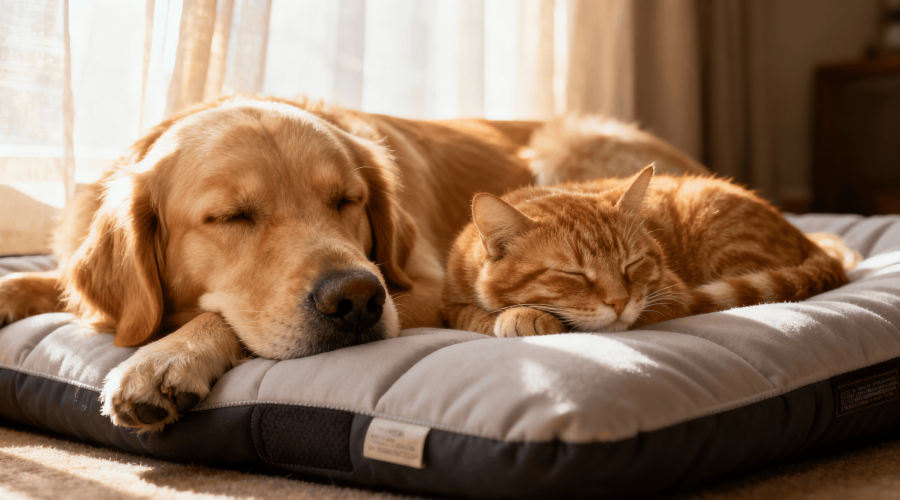
If you’ve ever noticed your dog twitching during a nap or your cat sleeping up to 16 hours a day, you’ve witnessed the remarkable sleep biology that’s essential to your pet’s health. Sleep isn’t just downtime, it’s a critical period when your pet’s body repairs tissues, consolidates memories, regulates emotions, and strengthens immune function.
Modern pets face unique sleep challenges: environmental stressors, inconsistent routines, age-related changes, and underlying health conditions can all disrupt the restorative sleep cycles that support optimal wellness.
This article explores:
- How sleep supports healing, immune function, and physical recovery in dogs and cats
- The connection between sleep quality and your pet’s mood and behavior
- Sleep’s essential role in memory and learning in companion animals
- Practical strategies to optimize your pet’s sleep for better health outcomes
Understanding Sleep Patterns in Dogs and Cats
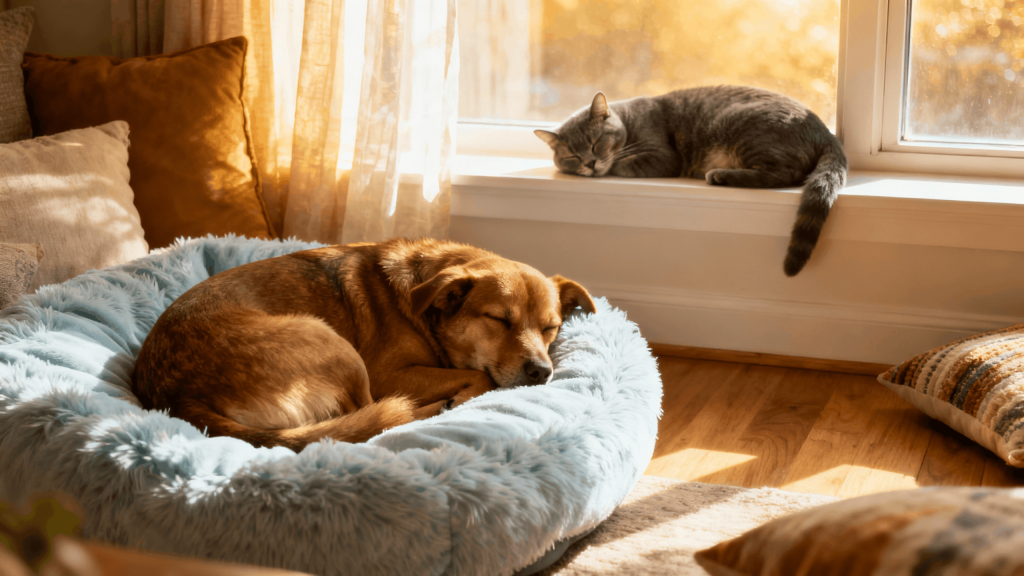
Sleep in dogs and cats differs significantly from human sleep. While humans sleep in one consolidated period, pets are polyphasic sleepers, cycling through multiple sleep periods throughout the day.
Daily sleep requirements:
- Dogs: 12-14 hours on average
- Puppies and senior dogs: 18-20 hours
- Cats: 12-16 hours on average
- Some cats: up to 20 hours daily
Two primary sleep stages:
- Non-REM sleep: Physical restoration, tissue repair, and growth
- REM sleep: Dreaming, memory consolidation, and cognitive processing
REM sleep distribution:
- Dogs: approximately 10% of total sleep time
- Cats: approximately 25% of total sleep time
- Both critical for emotional and cognitive health
How Sleep Supports Physical Healing in Pets
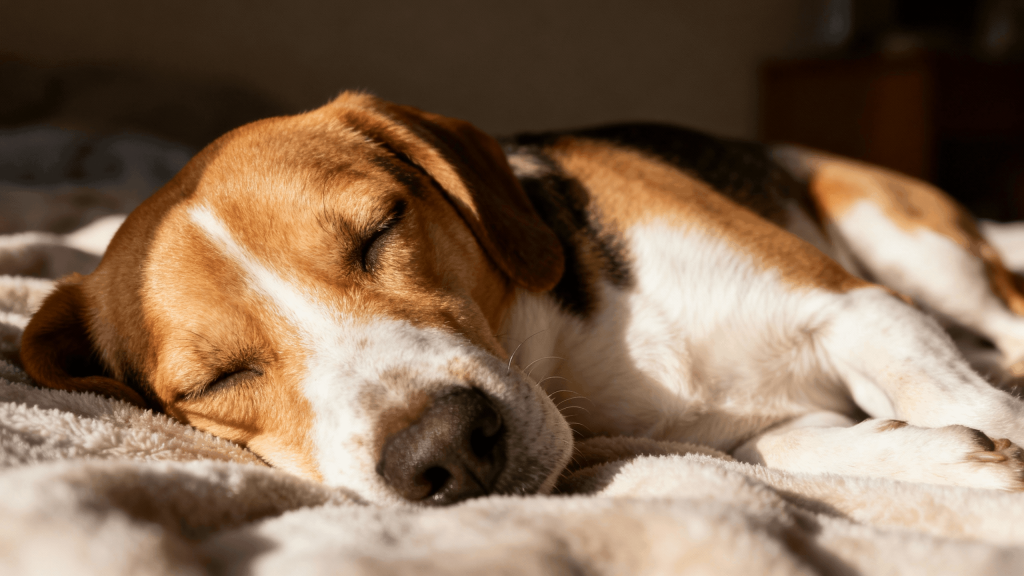
During sleep, your pet’s body shifts into active repair mode through several biological mechanisms.
Growth hormone benefits during deep sleep:
- Muscle repair after physical activity
- Tissue regeneration following injury or surgery
- Bone density maintenance in aging pets
- Skin and coat health through cellular turnover
Research findings:
- Sleep deprivation significantly impairs wound healing
- Post-surgical recovery is delayed without adequate sleep
- Repair mechanisms function most efficiently during uninterrupted sleep cycles
Sleep and Immune System Function
How sleep strengthens immunity:
- Produces cytokines that fight infection and inflammation
- Supports antibody responses to vaccines
- Regulates inflammatory markers
- Enhances T-cell production and immune defenders
Consequences of poor sleep:
- Reduced antibody responses
- Increased inflammatory markers
- Weakened immune resilience
- Slower recovery from illness
Metabolic Health and Sleep Quality
Sleep’s role in metabolism:
- Regulates hunger hormones (leptin and ghrelin)
- Controls appetite and satiety signals
- Maintains healthy blood sugar levels
- Supports energy efficiency and stamina
Poor sleep associations:
- Increased obesity risk in dogs and cats
- Altered appetite regulation
- Metabolic imbalances
- Reduced physical energy
Sleep’s Impact on Pet Behavior and Mood
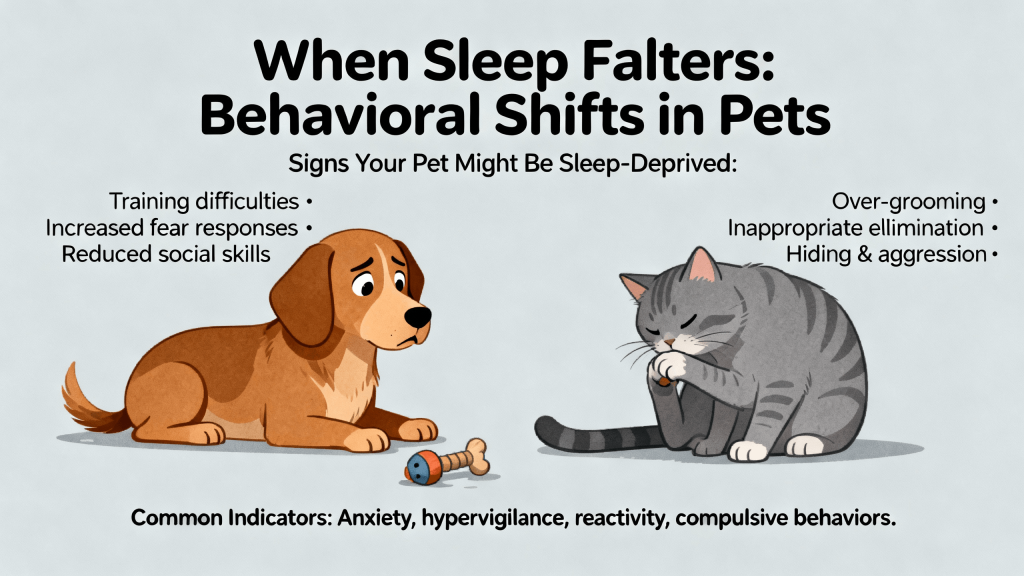
Just as sleep-deprived humans become irritable, pets experience similar behavioral changes when sleep quality suffers.
Common behavioral signs of sleep disruption:
- Increased anxiety and hypervigilance
- Reduced stress tolerance
- More reactive or aggressive responses to triggers
- Difficulty settling or relaxing
- Increased compulsive behaviors (licking, pacing, vocalization)
In dogs specifically:
- Struggle with training retention
- Show increased fear responses
- Experience difficulty bonding or trusting
- Display reduced social skills
In cats specifically:
- Over-grooming or hair loss
- Inappropriate elimination outside litter box
- Hiding or withdrawal from family
- Aggression toward humans or other pets
- Reduced appetite or digestive issues
Sleep, Memory, and Learning in Pets
Sleep is when your pet’s brain processes and stores information gathered during waking hours.
How sleep supports learning:
- Dogs who sleep after training show better command retention
- Sleep-deprived dogs perform poorly on problem-solving tasks
- REM sleep is crucial for procedural memory (behaviors and routines)
- Social learning and bonding are enhanced by adequate sleep
For puppies and kittens:
- Require 18-20 hours of sleep daily
- Rapid brain development occurs during sleep
- Neural connections strengthen and prune during rest
- Learning capacity directly tied to sleep quality
Senior Pets and Cognitive Health
Age-related sleep challenges:
- Lighter, more fragmented sleep patterns
- Increased nighttime waking and restlessness
- Altered circadian rhythm regulation
- Pain from arthritis disrupting rest
Cognitive dysfunction and sleep:
- Chronic sleep disruption may accelerate cognitive aging
- Worsened symptoms include disorientation and confusion
- Altered day-night cycles (sundowning)
- Forgetting house training or litter box habits
- Increased anxiety, especially in evenings
Signs Your Pet Needs Better Sleep
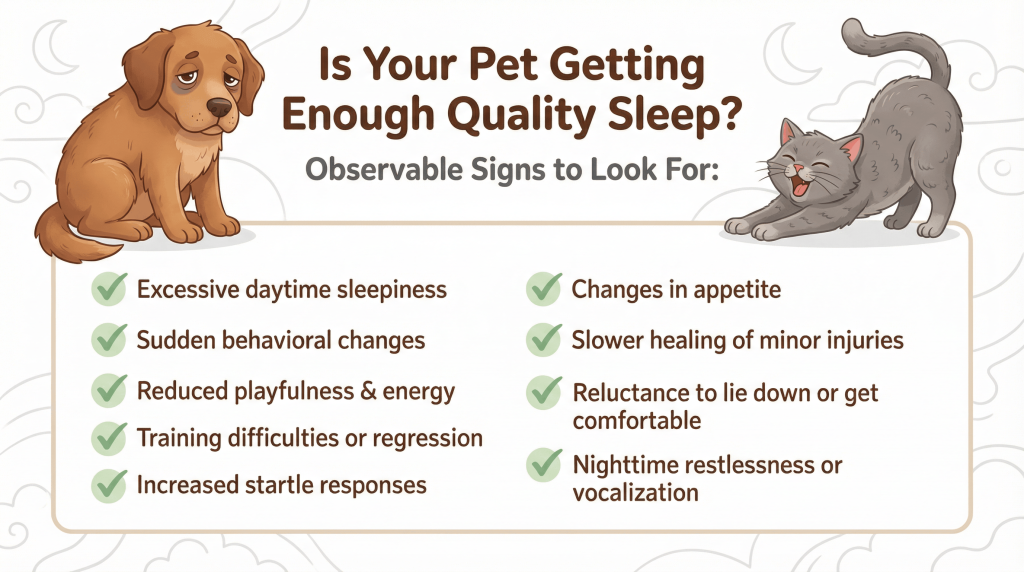
Watch for these indicators:
- Excessive daytime sleepiness or difficulty waking
- Increased irritability, anxiety, or reactivity
- Reduced playfulness or interest in activities
- Difficulty concentrating during training
- Increased startle responses or hypervigilance
- Changes in appetite (increase or decrease)
- Eye discharge or slower healing
- Reluctance to lie down fully (may indicate pain)
- Nighttime pacing, whining, or frequent position changes
Optimizing Your Pet’s Sleep Environment
Creating conditions that promote restorative sleep is one of the most impactful wellness strategies.
Create a Comfortable Sleep Space
Essential comfort elements:
- Orthopedic bedding for joint support
- Quiet area with minimal foot traffic
- Comfortable ambient temperature
- Elevated sleeping options for cats
- Dark, den-like spaces for security
- White noise machines if needed
Lighting considerations:
- Dim lights in evening hours
- Support natural melatonin production
- Provide dark sleeping spaces
- Maintain consistent lighting routines
Establish Consistent Sleep Routines
Daily schedule consistency:
- Feed meals at the same times
- Regular exercise periods with wind-down time
- Calming pre-sleep rituals (brushing, quiet interaction)
- Consistent bedtimes and wake times
Balance Exercise and Mental Stimulation
For dogs:
- Regular walks and play sessions
- Training activities to expend mental energy
- Adequate physical exercise for breed and age
- Avoid intense activity 2-3 hours before bed
For cats:
- Interactive play mimicking hunting behaviors
- Climbing opportunities and vertical spaces
- Puzzle feeders for mental stimulation
- Evening play sessions before rest
Reduce Stress and Support Calm
Stress reduction strategies:
- Minimize household chaos during rest periods
- Provide safe retreat spaces
- Address anxiety triggers with positive training
- Use species-appropriate pheromones
- Play calming music designed for pets
- Ensure adequate resources in multi-pet homes

Nutritional Support for Sleep
Diet impacts on sleep quality:
- Balanced, species-appropriate nutrition
- Avoid food sensitivities causing discomfort
- Fresh water access with strategic timing
- Nutrients supporting sleep-wake regulation
Key sleep-supporting nutrients:
- Tryptophan: Precursor to serotonin and melatonin
- B-vitamins: Support neurotransmitter production
- Magnesium: Aids muscle relaxation and nervous system calm
- L-theanine: Promotes relaxation without sedation
Natural calming ingredients:
- Chamomile for gentle relaxation
- Valerian root for nervous system support
- Passionflower for stress management
While no supplement replaces proper sleep hygiene and veterinary care, targeted nutritional support may help maintain normal sleep regulation in pets, particularly those experiencing age-related changes or managing stress. Products formulated to support calm and relaxation in pets can help promote a sense of ease during rest periods.
Important reminder: Always consult your veterinarian before introducing supplements, especially if your pet has existing health conditions or takes medications.
When to Consult Your Veterinarian
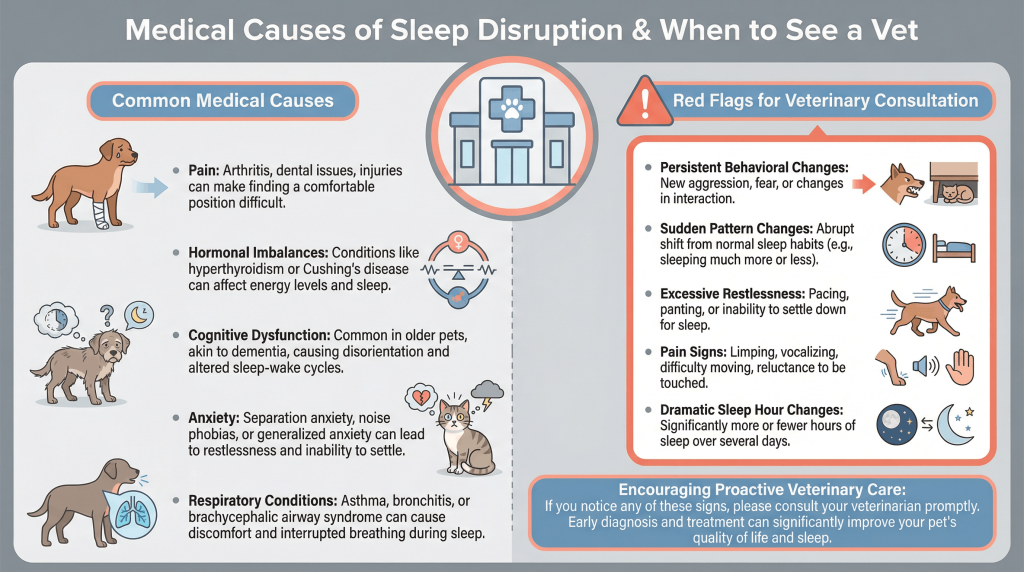
Many sleep disruptions stem from underlying medical issues that require professional evaluation.
Common medical causes:
- Pain (arthritis, dental disease, digestive discomfort)
- Hormonal imbalances (thyroid issues, Cushing’s disease)
- Cognitive dysfunction in senior pets
- Anxiety disorders requiring intervention
- Respiratory conditions worsening when lying down
When to seek help:
- Persistent behavioral changes lasting more than a week
- Sudden changes in sleep patterns
- Excessive nighttime restlessness
- Signs of pain or discomfort during rest
- Dramatic increase or decrease in sleep hours
References
- Zanghi, B. M., et al. (2013). Characterizing behavioral sleep using actigraphy in adult dogs of various ages fed once or twice daily. Journal of Veterinary Behavior, 8(4), 195-203.
- Kis, A., et al. (2017). The interrelated effect of sleep and learning in dogs (Canis familiaris); an EEG and behavioural study. Scientific Reports, 4, 6231.
- Takeuchi, T., & Harada, E. (2002). Age-related changes in sleep-wake rhythm in dog. Behavioural Brain Research, 136(1), 193-199.
- Landsberg, G. M., et al. (2017). Therapeutic effects of an alpha-casozepine and L-tryptophan supplemented diet on fear and anxiety in the cat. Journal of Feline Medicine and Surgery, 14(8), 552-560.
- Mondino, Alejandra, et al. “Sleep and cognition in aging dogs. A polysomnographic study.” Frontiers in Veterinary Science 10 (2023): 1151266.
Conclusion
Sleep is a dynamic biological process that shapes your pet’s physical health, emotional balance, and cognitive vitality. From cellular repair and immune function to memory consolidation and mood regulation, quality sleep directly influences your pet’s wellbeing and longevity.
Key takeaways:
- Sleep is active healing time, not just rest
- Quality sleep supports immune function, metabolism, and recovery
- Behavioral issues often link to poor sleep quality
- Consistent routines and comfortable environments are essential
- Nutritional support can complement healthy sleep habits
- Veterinary guidance is crucial for persistent sleep problems
Every pet is unique, and their sleep needs reflect individual age, health status, and environmental context. By understanding sleep science and creating conditions that support restorative rest—combined with species-appropriate nutrition, regular exercise, stress management, and veterinary care—you’re investing in countless healthy, vibrant years with your companion.