
Muscle Loss in Pets: Why It Happens Faster Than You Think
Written by MyCern Research & Editorial Team
When we think about aging pets, joint stiffness and mobility often come to mind first. Yet a less visible—but equally important change is muscle loss, also known as sarcopenia. Muscle tissue naturally declines with age, but inactivity, poor nutrition, and metabolic shifts can accelerate this process, reducing strength, stamina, and overall resilience.
Unlike joint issues, sarcopenia affects functional muscle mass, meaning pets may appear healthy but have hidden weaknesses that influence daily activity, recovery, and long-term vitality.
This article explores:
- What sarcopenia is and how it develops
- How inactivity accelerates muscle loss
- The role of aging and metabolism in muscle decline
- Signs of early muscle loss that owners can monitor
- Strategies to support lean mass naturally
What Is Sarcopenia?

Sarcopenia is the progressive loss of skeletal muscle mass and strength associated with aging. While often discussed in humans, it is increasingly recognized in dogs and cats. Muscle tissue is metabolically active and critical for:
- Maintaining balance and posture
- Supporting mobility and endurance
- Regulating metabolism and energy use
Without intervention, sarcopenia contributes to fatigue, slower recovery from illness, and reduced quality of life.
Inactivity and the “Use-It-or-Lose-It” Principle
Muscle tissue responds to mechanical load and stimulation. Pets that are sedentary or confined for long periods experience:
- Reduced protein synthesis in muscles
- Declining muscle fiber size and strength
- Loss of endurance and functional capacity
Even short-term inactivity such as during recovery from illness, can trigger measurable muscle decline. Regular, age-appropriate activity is key to maintaining lean mass.
Age-Related Metabolic Shifts

Aging affects the hormonal and cellular environment that supports muscle health:
- Decreased growth hormone and IGF-1 signaling reduces muscle protein turnover
- Chronic low-grade inflammation contributes to catabolism of muscle fibers
- Mitochondrial efficiency declines, limiting energy availability for muscle contraction
These changes explain why older pets lose muscle faster than younger animals, even with similar activity levels.
Nutritional Factors in Muscle Maintenance
Adequate protein intake is essential for preserving muscle tissue. Beyond quantity, amino acid composition and bioavailability play a critical role. Key considerations include:
- High-quality protein sources to stimulate muscle protein synthesis
- Balanced micronutrients that support energy metabolism (e.g., B vitamins, selenium)
- Avoiding prolonged periods of underfeeding or restrictive diets
Nutrition alone cannot replace physical stimulation but works synergistically to slow sarcopenia.
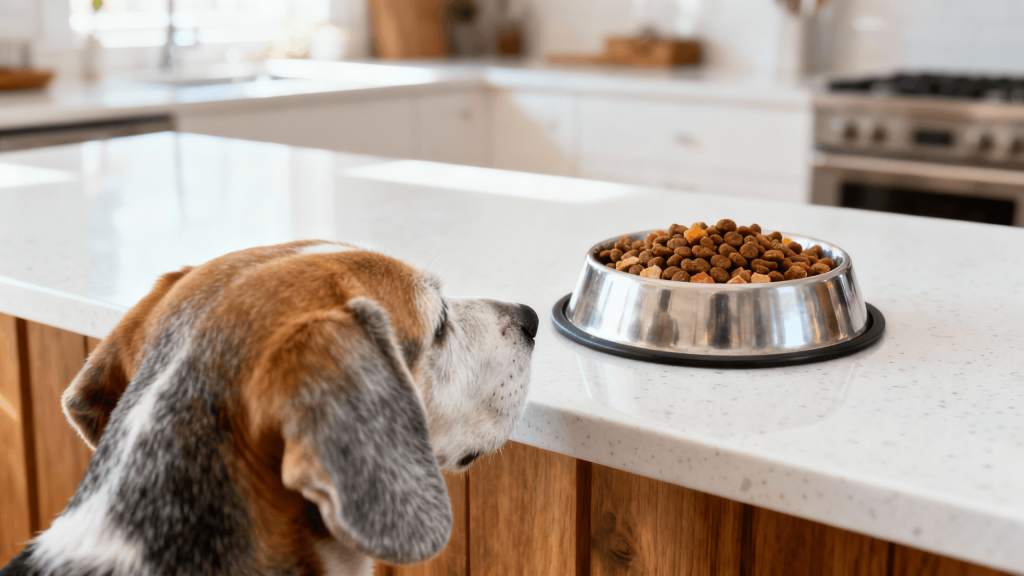
Early Signs of Muscle Loss in Pets
Muscle loss is often subtle at first. Pet owners may notice:
- Thinner thighs or lumbar region in dogs
- Reduced upper body muscle tone in cats
- Fatigue during normal walks or play sessions
- Difficulty climbing stairs or jumping
Recognizing these early changes allows timely adjustments in activity, diet, and supportive care.
Long-Term Implications
Unchecked muscle loss affects more than strength. Sarcopenia contributes to:
- Reduced metabolic rate, making weight management harder
- Lower resilience during illness or surgery
- Increased risk of falls or mobility challenges
Maintaining lean mass is therefore a cornerstone of healthy aging.
Supporting Muscle Health Naturally
Strategies to support muscle retention include:
- Age-appropriate daily activity (walking, play, gentle resistance)
- Balanced, protein-rich nutrition
- Consistency rather than intensity small, regular sessions matter
- Monitoring body composition, not just weight
Even modest improvements in muscle stimulation can preserve functional strength and vitality over time.
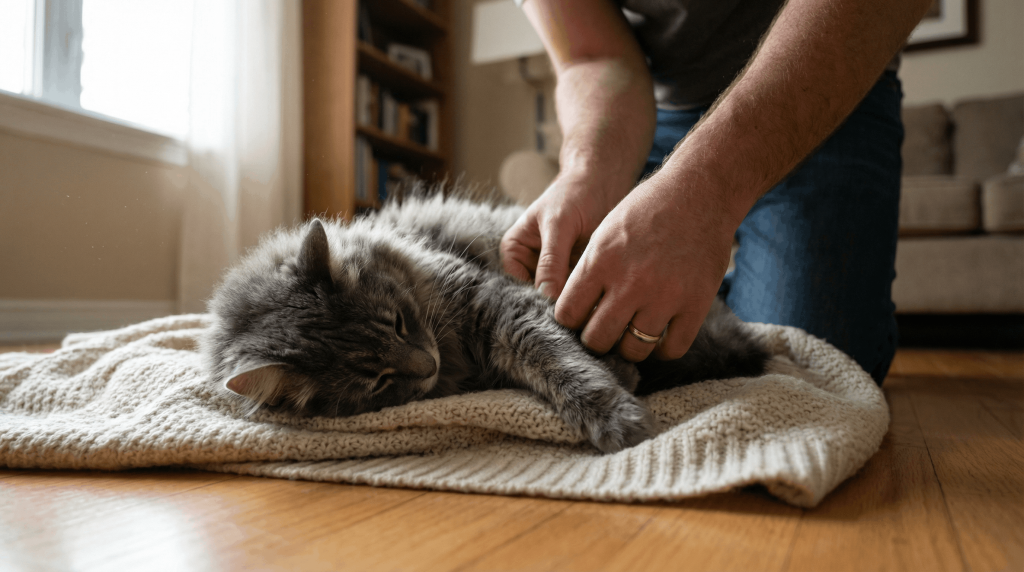
Conclusion
Muscle loss in pets is a natural yet accelerated process influenced by inactivity, aging, and metabolic changes. Unlike joint issues, sarcopenia can be hidden, making early awareness crucial. By combining appropriate exercise with targeted nutrition, pet owners can slow muscle decline, preserve strength, and help pets maintain independence and quality of life throughout their later years.
References
- Freeman, L. M. “Cachexia and sarcopenia: emerging syndromes of importance in dogs and cats.” Journal of Veterinary Internal Medicine 26.1 (2012): 3-17.
- Kunde, Margarete M., and Mildred Nordlund. “STUDIES ON METABOLISM: V. Inactivity and Age as Factors Influencing the Basal Metabolic Rate of Dogs.” American Journal of Physiology-Legacy Content 80.3 (1927): 681-690.
- Harper, E. Jean. “Changing perspectives on aging and energy requirements: aging, body weight and body composition in humans, dogs and cats.” The Journal of nutrition 128.12 (1998): S2627-S2631.
- Toll, P. W., et al. “Small animal clinical nutrition.” Topeka, Kansas: Mark Morris Institute (2010): 501-542.
- Nishimura, Y., Højfeldt, G., Breen, L., Tetens, I., & Holm, L. (2023). Dietary protein requirements and recommendations for healthy older adults: a critical narrative review of the scientific evidence. Nutrition research reviews, 36(1), 69-85.