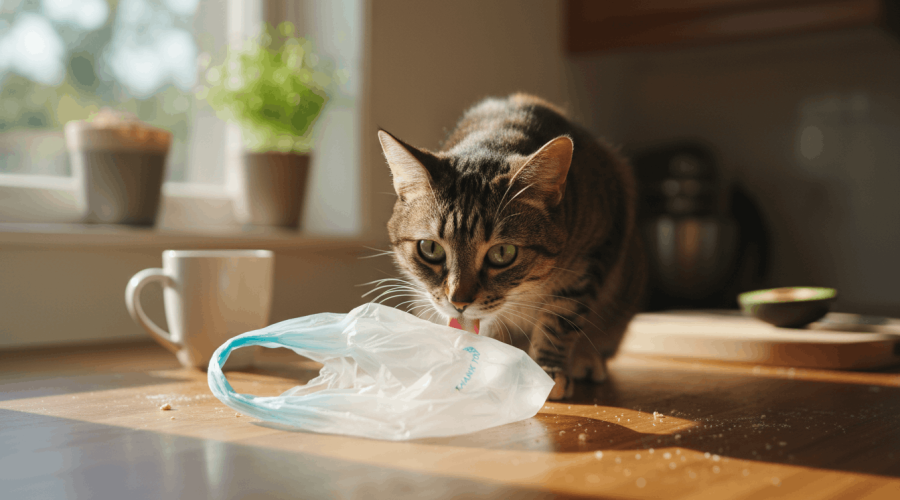
Why Do Cats Lick Plastic or Bags? Sensory Attraction and Habit Formation
Written by MyCern Research & Editorial Team
If you have ever caught your cat licking a grocery bag, a food wrapper, or even a plastic package, you are not alone. Many pet parents search for why do cats lick plastic because the behavior looks strange, repetitive, and sometimes a little worrying.
The good news is that this habit is usually driven by natural sensory preferences and learned behaviors, not bad manners. Still, understanding why does my cat lick plastic helps you protect your cat’s comfort, safety, and daily wellbeing.
This article explores:
- Why cats are attracted to plastic and crinkly bags
- The sensory and emotional reasons behind cat chewing plastic behavior
- When plastic licking is normal and when it deserves attention
- Simple ways to gently reduce the habit at home
- How MyCern fits into everyday feline wellness support
Why do cats lick plastic in the first place?
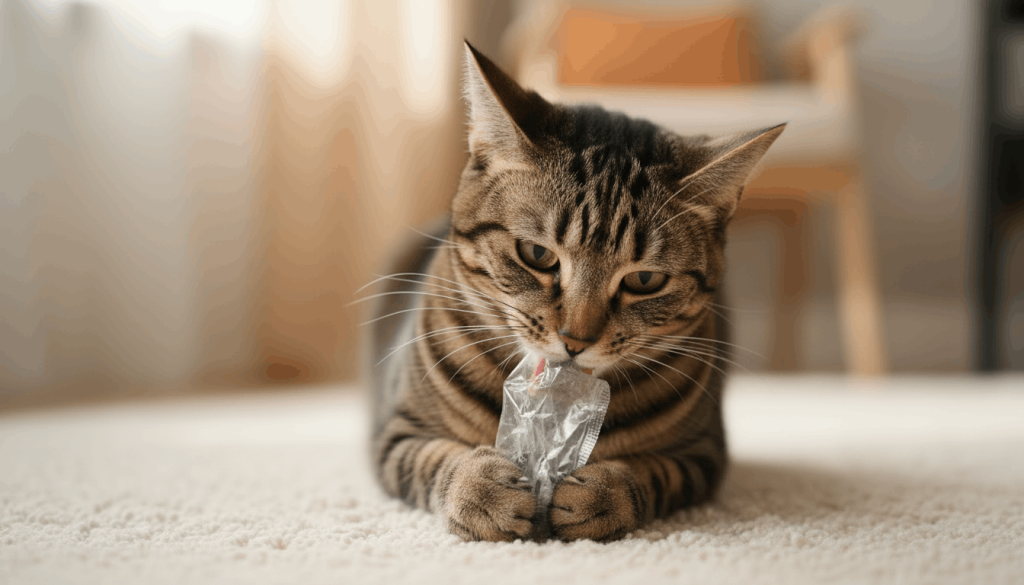
The most common reason behind why do cats lick plastic is sensory attraction.
Plastic bags, wrappers, and packaging often carry food scents, oils, and residues that are invisible to us but extremely noticeable to cats. A cat’s sense of smell is far more sensitive than a human’s, and even faint traces of fat, starch, or seasoning can trigger licking.
Beyond smell, plastic also has a unique texture and sound. The smooth surface and light resistance against the tongue can feel stimulating, while the crinkling noise can increase curiosity and engagement.
In short, plastic activates multiple senses at once.
Sensory chemistry and surface taste
One lesser known factor behind why cats lick bags is the material itself.
Some plastic products contain fatty acid derivatives and processing compounds that can leave subtle odors and flavors. These scents can resemble animal fats or plant oils, which naturally attract cats.
Cats explore new surfaces with their mouths in the same way they use their whiskers and paws. Licking becomes part of environmental investigation, not just feeding behavior.
This is one of the most practical explanations for why does my cat lick plastic even when no visible food is present.
Habit formation and learned routines
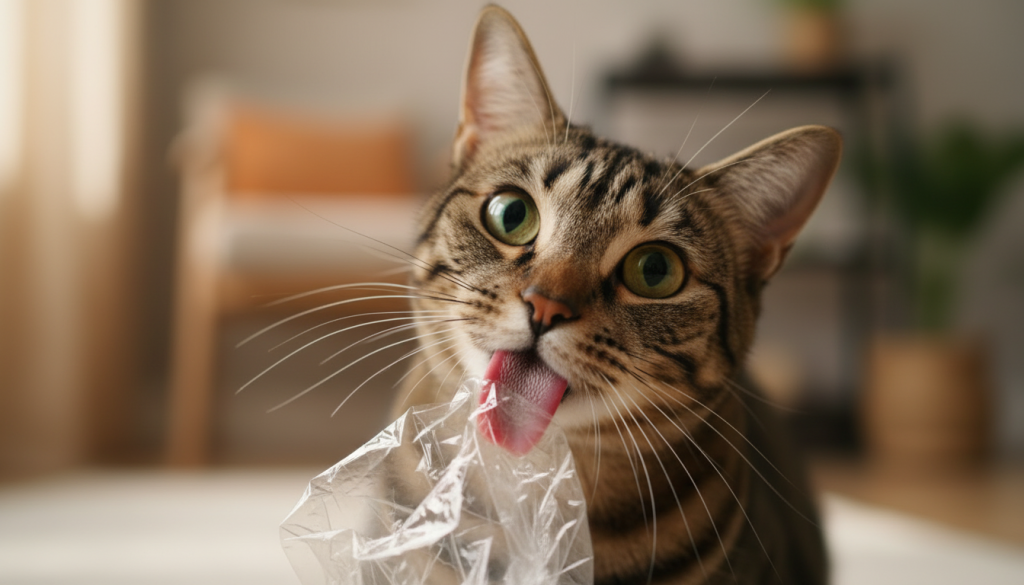
Many cats start licking plastic by accident.
A cat might first lick a wrapper that once held food, enjoy the smell, and repeat the behavior. Over time, the brain begins to associate plastic textures and sounds with positive sensory stimulation.
This is how cat chewing plastic behavior slowly becomes a habit.
Routine and predictability are important for cats. Once a behavior becomes part of their daily environment, they may repeat it during:
- Quiet evening hours
- Owner absence
- Low activity periods
- Pre feeding anticipation
In these situations, licking can act as a mild self soothing routine.
Emotional comfort and low level stress
Plastic licking is not always about taste.
In some cats, repetitive licking and nibbling provide emotional comfort. Gentle repetitive behaviors can help regulate mild anxiety and boredom.
This is especially relevant if:
- Your cat is indoor only
- Daily stimulation is limited
- The home routine recently changed
In such cases, searching for why does my cat lick plastic often reveals that the behavior appears more during quiet or emotionally unsettled moments.
Veterinary behavior specialists, including resources from Cornell Feline Health Center, commonly describe repetitive oral behaviors as a way cats manage low grade stress and environmental frustration.
Is plastic licking the same as pica?
Not always.
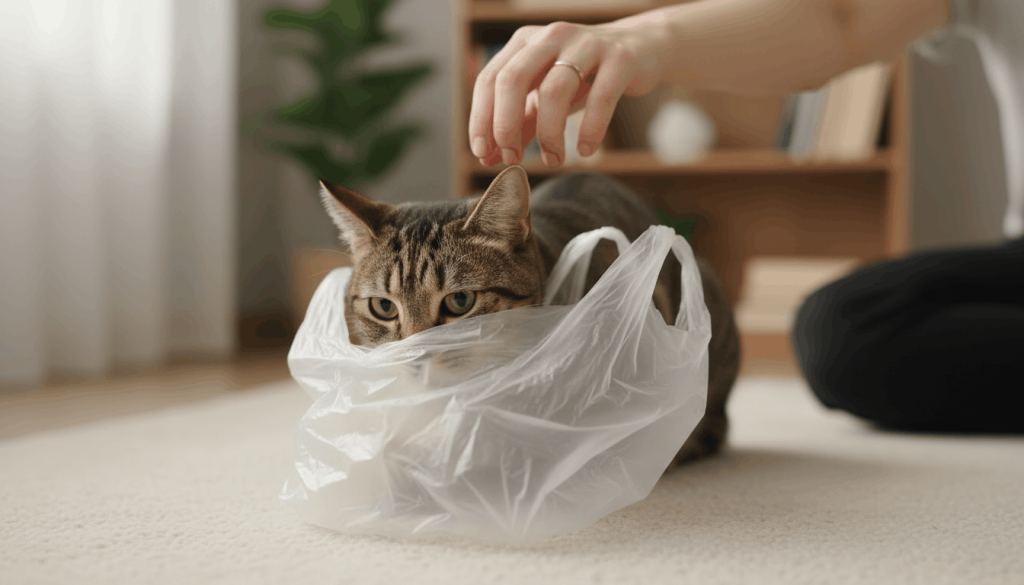
Pica is a condition where animals persistently eat or attempt to eat non food materials. Licking plastic occasionally does not automatically mean pica.
However, if cat chewing plastic behavior includes actively tearing, swallowing pieces, or obsessively seeking out plastic items, then the behavior moves beyond curiosity.
Organizations such as American Society for the Prevention of Cruelty to Animals advise monitoring any non food chewing closely because ingestion can create digestive and safety risks.
When should you be concerned?
Occasional licking is usually harmless.
You should pay closer attention if:
- Your cat is chewing and swallowing plastic
- The behavior increases suddenly
- Your cat shows appetite changes
- Vomiting or digestive discomfort appears
- The licking becomes compulsive and difficult to interrupt
In these situations, asking your veterinarian for guidance is always the safest step.
This is especially important when people search for why do cats lick plastic alongside other unusual behavioral changes.
The role of boredom and mental stimulation
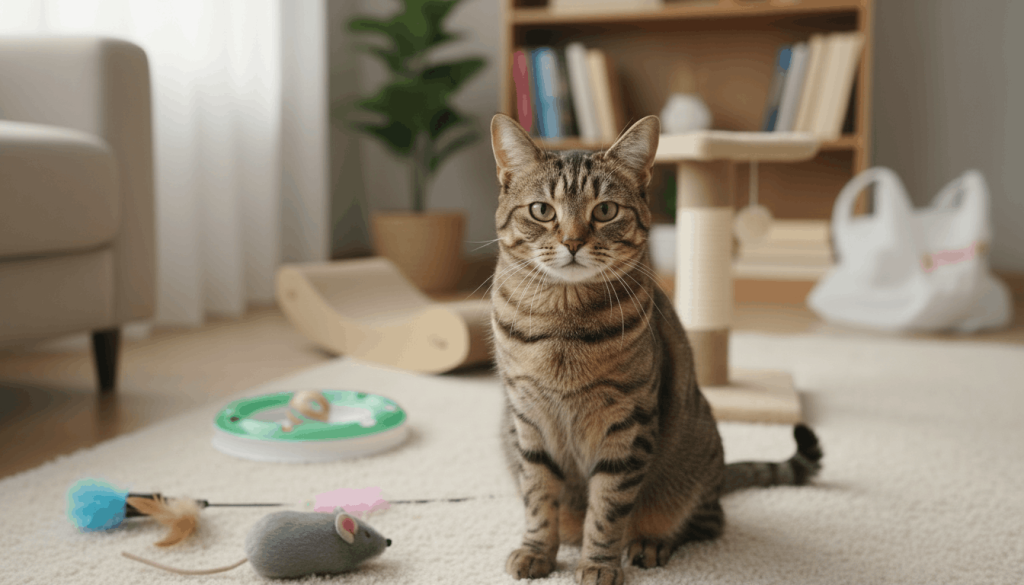
A very common cause of why cats lick bags is simple lack of stimulation.
Cats are intelligent problem solvers. Without enough daily play, novelty, and engagement, they look for interesting textures and activities inside the home.
Plastic bags are:
- Easy to access
- Noisy and interactive
- Visually interesting
- Smell rich
All of this makes them highly attractive enrichment substitutes.
How to gently reduce plastic licking at home
You do not need punishment or scolding. Instead, small environmental changes are usually enough.
Try these simple steps:
- Store grocery bags and packaging in closed cabinets
- Offer food puzzle toys or treat balls
- Rotate toys every few days to restore novelty
- Add short interactive play sessions before rest periods
- Provide textured lick mats designed for cats
Replacing the sensory experience is far more effective than simply removing the object.
This approach directly supports cats who display cat chewing behavior as part of daily boredom relief.
Nutrition and oral curiosity
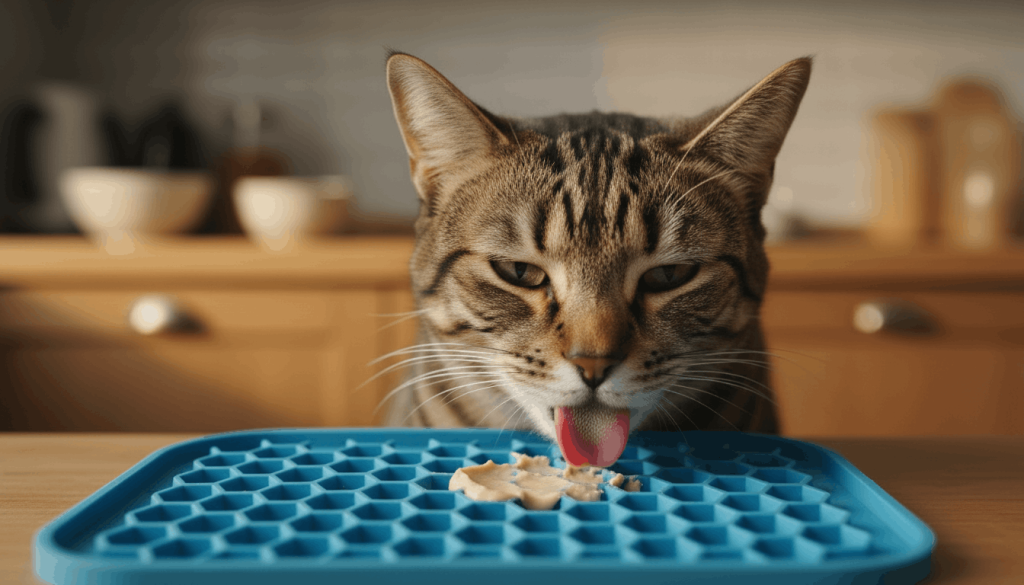
Occasionally, excessive licking and chewing may reflect unmet oral exploration needs rather than nutritional deficiency.
Cats naturally enjoy licking behaviors. Safe alternatives such as cat lickable treats, textured feeders, and enrichment mats help redirect oral interest without risk.
This is one of the simplest ways to reduce repeated searching for why does my cat lick plastic in otherwise healthy cats.
Where MyCern fits into feline daily wellness
At MyCern, our approach focuses on supporting calm routines, healthy engagement, and balanced daily enrichment for companion animals.
In households where plastic licking is linked to low stimulation or emotional comfort seeking, MyCern’s feline wellness formulations are designed to complement daily routines by supporting:
- consistent behavioral balance
- everyday nervous system support
- positive feeding and interaction habits
Our products are not positioned as treatments for behavioral disorders. Instead, they are created to fit naturally into a lifestyle focused on predictable routines, mental stimulation, and overall comfort for cats.
This gentle support approach aligns well with common strategies used to reduce repetitive behaviors such as why cats lick bags and other oral habits.
Practical lifestyle tips for plastic licking cats
You can significantly reduce plastic focused habits by adjusting the daily environment.
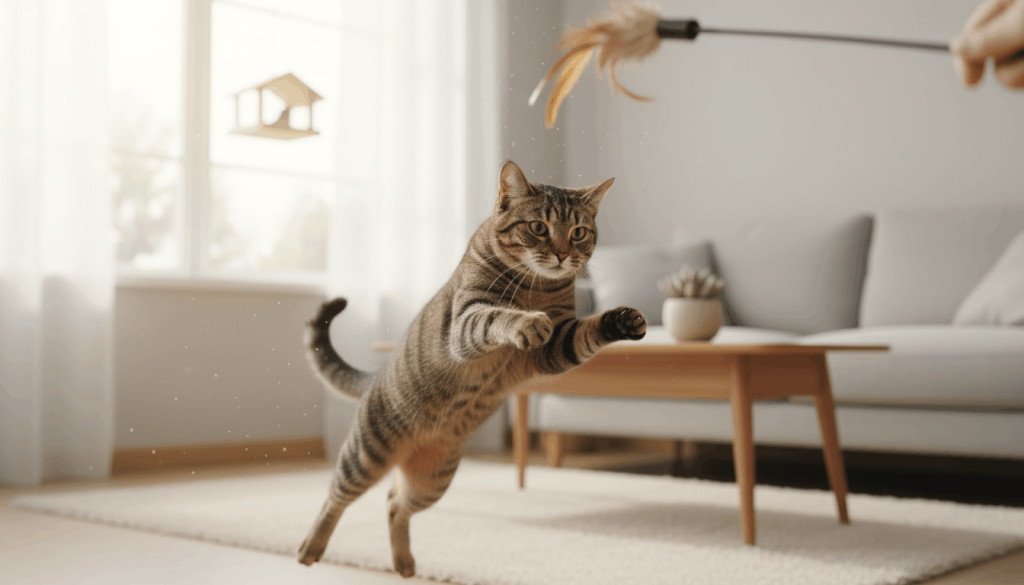
- Schedule two short interactive play sessions each day
- Offer window viewing spots or bird feeders outside
- Use scent enrichment such as cat safe herbs and rotating toys
- Keep feeding times predictable
- Introduce slow feeders and lick mats
Small routine improvements often lead to noticeable reductions in cat chewing plastic behavior within a few weeks.
Frequently asked questions
Why do cats lick plastic but ignore other objects?
Plastic combines smell, sound, and texture in one object. Many other surfaces do not provide the same level of multi sensory stimulation.
Why does my cat lick plastic bags after grocery shopping?
Food residue and packaging scents are strongest immediately after unpacking. This makes the bags especially attractive during that time.
Why cats lick bags more when they are alone?
Some cats use repetitive licking as a mild self soothing behavior when activity and social interaction are reduced.
Can plastic licking harm my cat?
Licking alone is usually not dangerous. Chewing and swallowing plastic pieces can be harmful and should always be discouraged.
Conclusion
Understanding why do cats lick plastic becomes much easier when you look at the behavior through a sensory and emotional lens. Smell, texture, sound, habit formation, and mild stress relief all play a role in shaping this common feline behavior.
For most cats, why does my cat lick plastic is not a medical problem. It is a signal that your cat is seeking stimulation, comfort, or routine. With small environmental adjustments, safer oral enrichment, and consistent daily engagement, plastic licking and cat chewing plastic behavior can often be reduced naturally.
By focusing on predictable routines, mental enrichment, and gentle lifestyle support, pet parents can help their cats stay curious, comfortable, and safely engaged without turning everyday household objects into risky habits.
References
- Overall, K. (2013). Manual of clinical behavioral medicine for dogs and cats-E-Book: manual of clinical behavioral Medicine for dogs and cats-E-Book. Elsevier Health Sciences.
- Landsberg, G., Hunthausen, W., & Ackerman, L. (2012). Behavior problems of the dog and cat. Elsevier Health Sciences.
- Ellis, S. L., Rodan, I., Carney, H. C., Heath, S., Rochlitz, I., Shearburn, L. D., … & Westropp, J. L. (2013). AAFP and ISFM feline environmental needs guidelines. Journal of feline medicine and surgery, 15(3), 219-230.
- Ellis, S. L. (2009). Environmental enrichment: practical strategies for improving feline welfare. Journal of feline medicine and surgery, 11(11), 901-912.
- Mills, D., & Luescher, A. (2006). Veterinary and pharmacological approaches to abnormal repetitive behaviour. In Stereotypic animal behaviour: fundamentals and applications to welfare (pp. 286-324). Wallingford UK: CABI.