

Why Do Dogs Sigh? Understanding Canine Emotional and Comfort Signals
Written by MyCern Research & Editorial Team
Have you ever been relaxing with your dog when they suddenly let out a long, soft breath and you think, why does my dog sigh?
That gentle sound often feels emotional. And most of the time, it really is.
This short guide explains the real dog sighing meaning, what a normal dog sigh sound tells you, and when you should pay a little closer attention.
Why does my dog sigh?
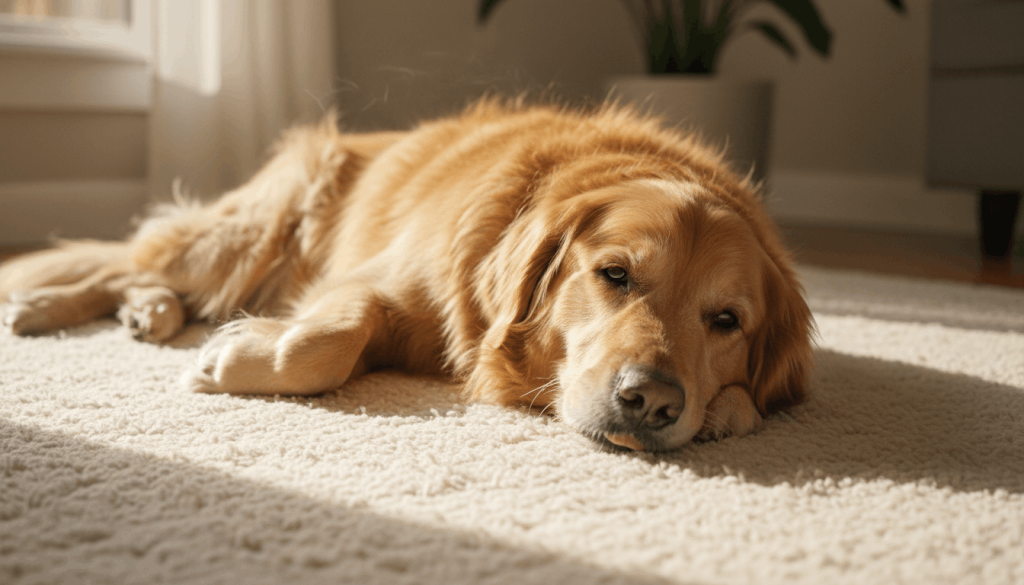
In simple terms, a sigh is your dog taking a deeper breath and slowly breathing out.
Dogs do this when their body shifts from alert to relaxed.
The American Kennel Club explains that dogs communicate with more than barking and body posture. Small breathing sounds like sighs, huffs, and snorts are also part of how they express their state of mind.
So when people ask, why does my dog sigh, the most common reason is:
Your dog is settling down and letting go of tension.
You will often notice a sigh when your dog:
- lies down after play
- finishes exploring something
- curls up in their favorite spot
- relaxes after you come home
Dog sighing meaning: what is your dog really saying?
The true dog sighing meaning is usually comfort.
A long, slow sigh often means:
- “I feel safe.”
- “I am done being alert.”
- “I am ready to rest.”
Dogs use their breathing to help calm their nervous system. A sigh helps the body move into a relaxed state.
In everyday life, this looks like:
- your dog dropping their head onto their paws
- their muscles softening
- their breathing slowing down
This is one of the healthiest and most normal signs of emotional comfort in dogs.
What does a dog sigh sound usually mean?

A relaxed dog sigh sound is easy to recognize once you notice it.
It is usually:
- one long, smooth exhale
- sometimes followed by a tiny groan
- quiet and effortless
- not wheezy, not sharp, and not strained
When this sound happens together with loose body language, it almost always means your dog feels calm.
Look for:
- relaxed ears
- soft eyes or slow blinking
- still body
- head resting comfortably
Why does my dog sigh when lying next to me?
This is one of the nicest reasons for sighing.
Dogs feel emotionally safer when they are close to people they trust.
The ASPCA highlights how strongly dogs depend on their social environment and trusted humans for emotional stability.
When your dog lies beside you and sighs, it often means:
- your presence helps them relax
- they feel secure next to you
- they are emotionally settled
Many dogs sigh right after they lean against your leg or settle on the couch near you.
When dog sighing meaning is not just comfort

Not every sigh is pure happiness.
Sometimes, a sigh can also show mild frustration.
This usually happens when your dog:
- is waiting for a walk
- wants attention
- is watching you prepare food
- cannot reach a toy
These sighs are often:
- shorter
- slightly stronger
- repeated more than once
You may also notice:
- restless movement
- ears held slightly back
- your dog watching you closely
In this case, the dog sighing meaning is closer to emotional processing, not deep relaxation.
Why does my dog sigh a lot during the day?
Occasional sighs are completely normal.
However, it is worth paying attention if your dog sighs very often and you also notice:
- difficulty settling
- lower energy
- less interest in walks
- stiffness when standing up
- frequent position changes when resting

According to clinicians at VCA Animal Hospitals, breathing changes together with behavior changes should always be observed carefully.
Sighing alone does not mean something is wrong, but patterns matter.
Is the dog sigh sound ever linked to pain?
It can be.
Some dogs sigh more when they feel uncomfortable, especially when moving.
Watch closely if your dog sighs:
- when standing up
- when lying down
- when shifting position
- while trying to get comfortable
If you also notice slower movement or stiffness, it is a good idea to keep an eye on mobility and comfort.
The sound itself does not diagnose pain, but it can be part of a bigger picture.
Where MyCern fits into daily emotional comfort
At MyCern, we focus on daily wellness support that helps maintain overall comfort and resilience in pets.
Healthy routines, balanced nutrition, movement, and emotional stability all work together to support your dog’s well-being. This approach complements veterinary care and everyday lifestyle habits.
Simple daily habits that support calm behavior
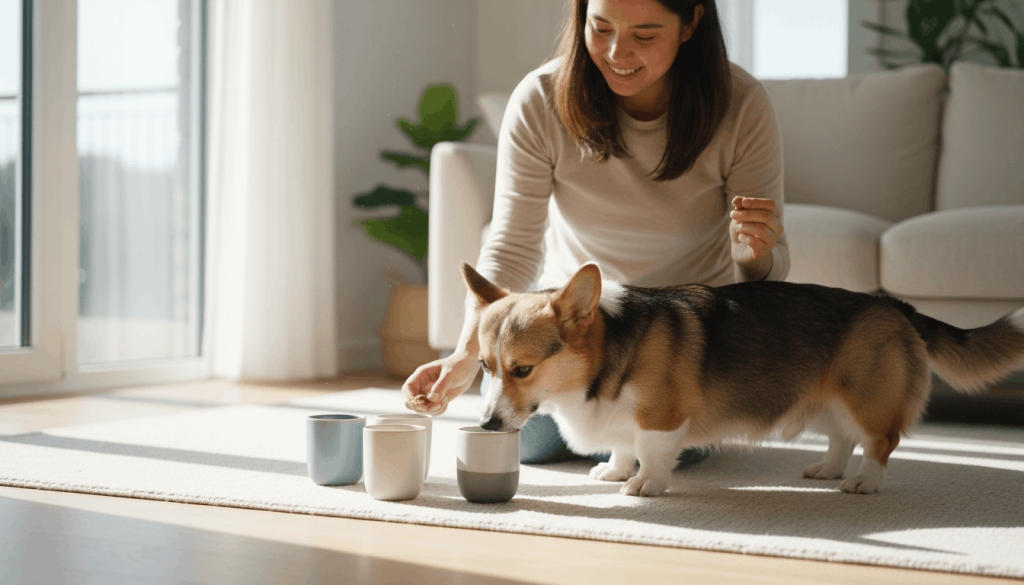
You do not need complicated training to help your dog relax better.
Try to:
- keep feeding and walking times consistent
- offer gentle mental games like sniffing and search activities
- provide a quiet resting area
- avoid loud or exciting play right before bedtime
- allow uninterrupted rest during naps
These small habits support emotional balance and make relaxed sighs more likely.
Quick questions pet owners often ask
Why does my dog sigh and then look at me?
Your dog is usually checking in with you. It can be a soft request for attention or reassurance.
Is dog sighing meaning always emotional?
No. Sometimes a sigh is simply a normal breathing reset. Body language and timing tell you whether it is emotional.
Should I worry about a dog sigh sound during sleep?
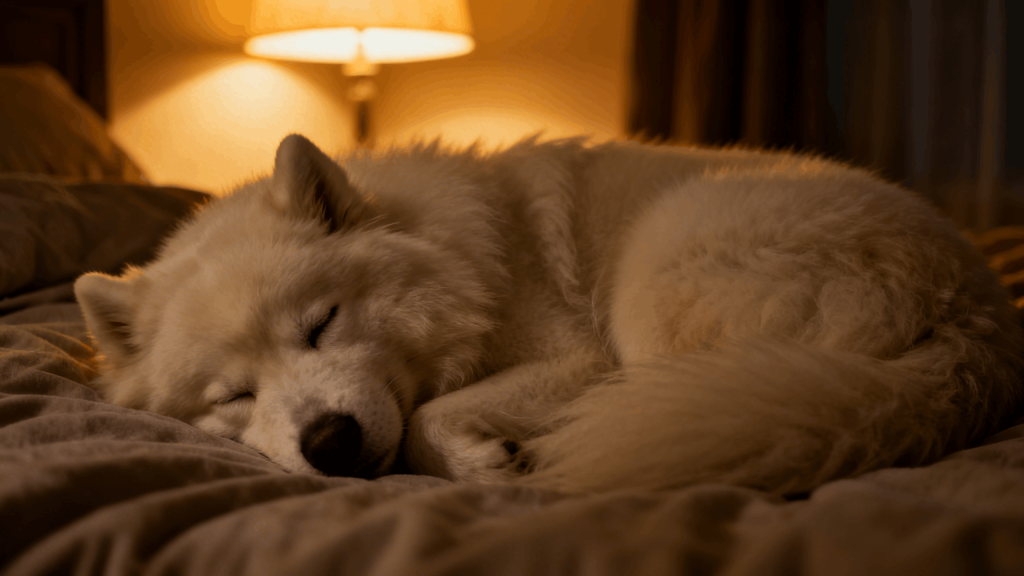
No. Occasional sighs during sleep are normal and often happen between sleep stages.
Conclusion
So, why does my dog sigh?
Most of the time, it is a gentle signal of emotional release and comfort. The real dog sighing meaning becomes clear when you look at your dog’s posture, behavior, and surroundings. When the dog sigh sound comes with relaxed muscles and peaceful settling, it is a reassuring sign that your dog feels safe and content.
Learning to notice these small signals helps you understand your dog’s emotional world and respond to their needs with confidence.
References
- Beerda, B., Schilder, M. B., Van Hooff, J. A., De Vries, H. W., & Mol, J. A. (1998). Behavioural, saliva cortisol and heart rate responses to different types of stimuli in dogs. Applied animal behaviour science, 58(3-4), 365-381.
- Dreschel, N. A., & Granger, D. A. (2009). Methods of collection for salivary cortisol measurement in dogs. Hormones and behavior, 55(1), 163-168.
- Mariti, C., Carlone, B., Ricci, E., Sighieri, C., & Gazzano, A. (2014). Intraspecific attachment in adult domestic dogs (Canis familiaris): Preliminary results. Applied Animal Behaviour Science, 152, 64-72.
- Overall, K. (2013). Manual of clinical behavioral medicine for dogs and cats-E-Book: manual of clinical behavioral Medicine for dogs and cats-E-Book. Elsevier Health Sciences.

