Intervertebral Disc Disease (IVDD): Understanding Back Problems in Dogs
Written by MyCern Research & Editorial Team
Back problems in dogs often develop quietly, showing subtle changes in movement long before pain becomes obvious. One of the most common and impactful spinal conditions affecting dogs is Intervertebral Disc Disease (IVDD). While IVDD is frequently associated with sudden mobility issues, its underlying causes involve gradual changes in spinal structure, disc health, and mechanical stress over time.
Understanding IVDD is not only about recognizing severe symptoms. It is about appreciating how spinal anatomy, breed genetics, and daily movement patterns influence long-term mobility and comfort.
This article explores:
- What IVDD is and how it affects the canine spine
- Why certain breeds are at higher risk
- How disc degeneration develops over time
- Early mobility changes owners often overlook
- Long-term considerations for spinal support and awareness
The Canine Spine and Intervertebral Discs
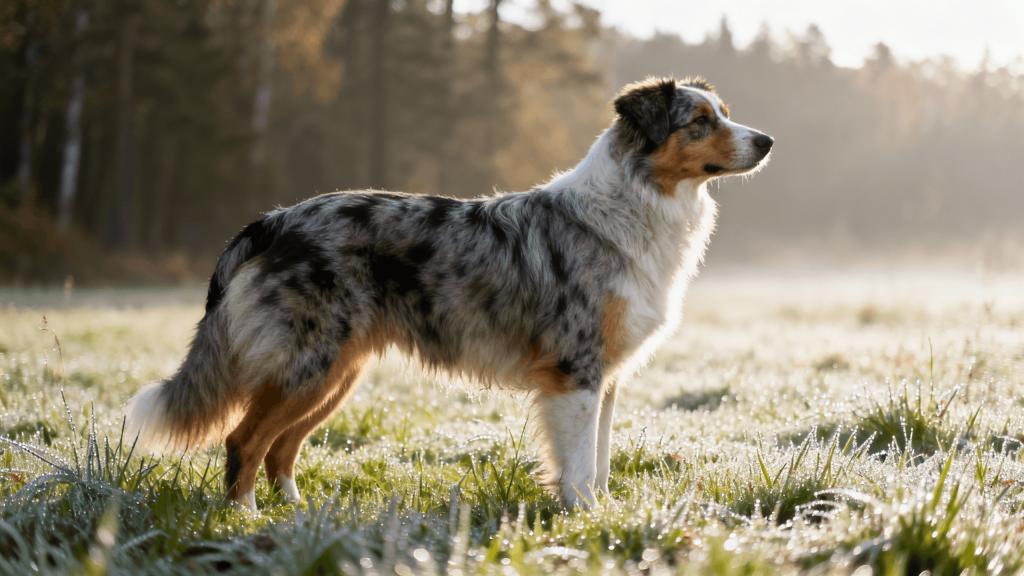
The canine spine is composed of vertebrae separated by intervertebral discs that act as shock absorbers. Each disc contains a gel-like center (nucleus pulposus) surrounded by a fibrous outer ring (annulus fibrosus).
These discs allow the spine to flex, absorb impact, and distribute mechanical forces during walking, running, and jumping. When disc structure deteriorates, spinal movement becomes less efficient and more vulnerable to injury.
What Is Intervertebral Disc Disease (IVDD)?
IVDD occurs when one or more intervertebral discs degenerate, bulge, or rupture, placing pressure on the spinal cord or surrounding nerves. This compression can disrupt nerve signaling and lead to pain, weakness, or changes in coordination.
Disc degeneration often begins long before visible symptoms appear. Structural changes accumulate gradually, especially in dogs predisposed by genetics or body conformation.
Breed-Related Risk and Genetic Factors
Certain breeds have a significantly higher risk of developing IVDD due to inherited disc characteristics. Chondrodystrophic breeds, those with shorter limbs and longer backs, are particularly susceptible.
Common high-risk breeds include:
- Dachshunds
- French Bulldogs
- Beagles
- Cocker Spaniels
- Shih Tzus
In these breeds, disc material may lose elasticity earlier in life, making it more prone to bulging or rupture even under normal movement.
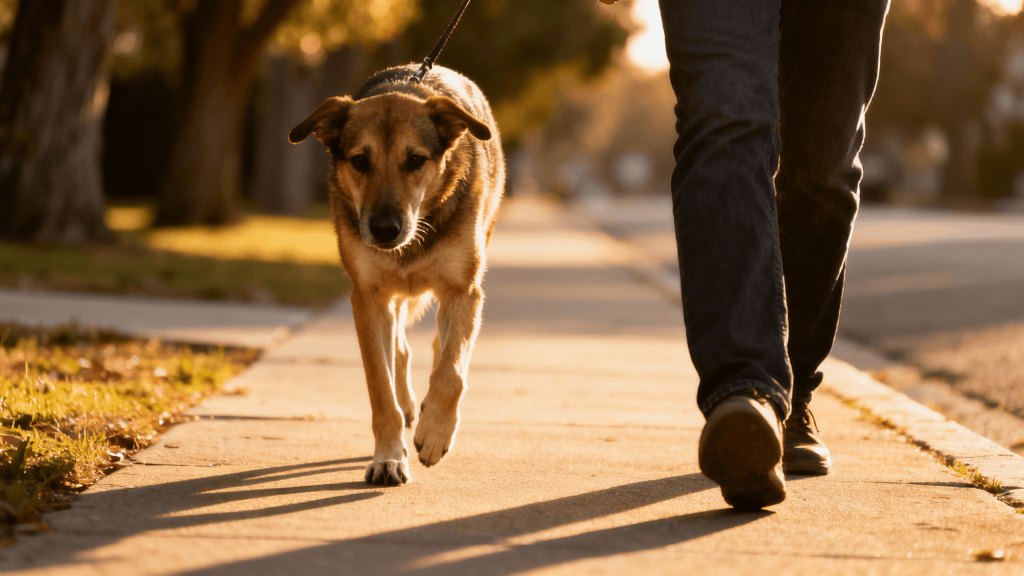
Larger breeds can also develop IVDD, often later in life, where cumulative mechanical stress and age-related disc dehydration play a greater role.
How Disc Degeneration Progresses
Disc health depends on hydration, collagen integrity, and nutrient diffusion. Over time, discs naturally lose water content, reducing their ability to absorb shock.
Contributing factors include:
- Repetitive spinal loading
- Excess body weight
- Poor muscle support around the spine
- Reduced circulation to disc tissue
As discs stiffen and weaken, even routine movements may place abnormal pressure on the spinal cord.
Early Mobility Changes That Signal Spinal Stress
Early signs of IVDD are often subtle and easily mistaken for normal aging or temporary stiffness. Dogs may hesitate before jumping, move more cautiously, or show changes in posture.
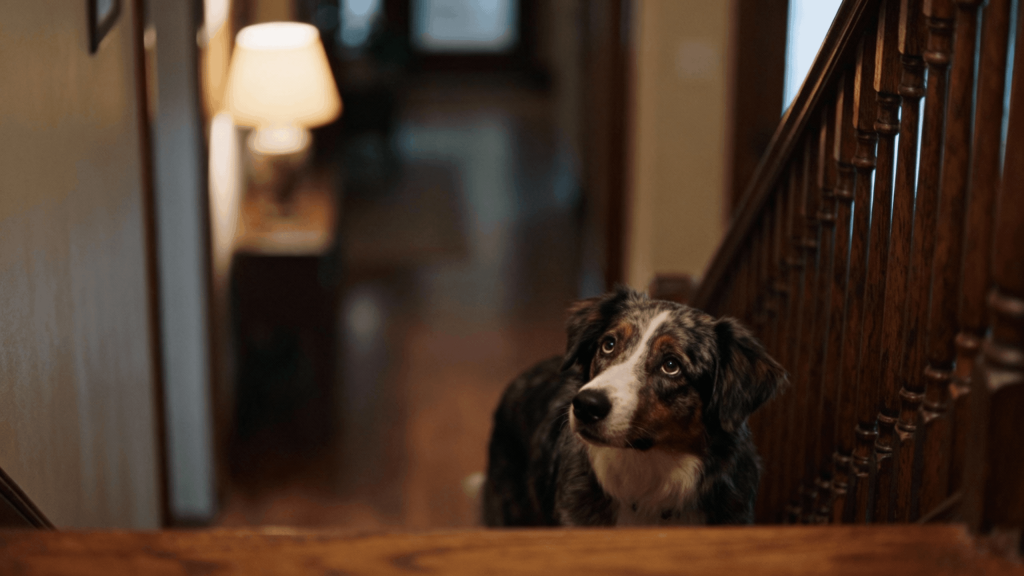
Reduced willingness to climb stairs, altered gait, or increased rest periods can indicate that spinal comfort is declining. Awareness of these early shifts is critical for protecting long-term mobility.
The Role of Core Strength and Spinal Support
Muscles surrounding the spine play a key role in stabilizing vertebral movement and reducing disc strain. Weak core musculature increases reliance on disc structures for stability, accelerating wear.
Balanced activity that supports muscular engagement without excessive spinal compression contributes to better mechanical distribution across the spine.
Why Early Awareness Matters
IVDD severity varies widely, but early recognition allows for adjustments in activity, environment, and daily handling that reduce stress on the spine. Preventing sudden, high-impact movements can be particularly important for at-risk breeds.
Understanding breed predisposition empowers owners to adopt mobility-conscious habits before significant injury occurs.
Veterinary Evaluation and Ongoing Monitoring
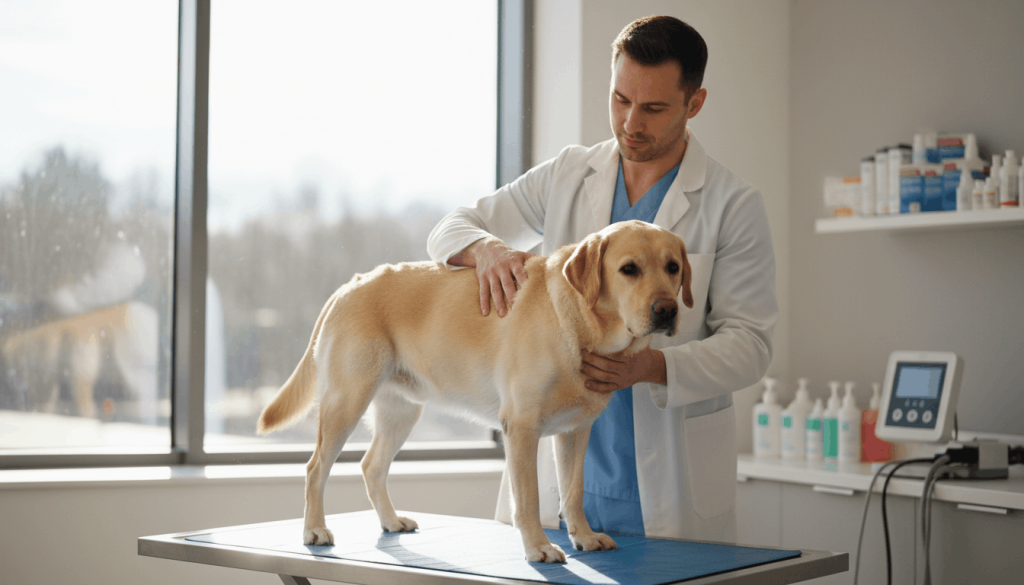
Any signs of persistent back discomfort or mobility change warrant veterinary assessment. Imaging and neurological evaluation help determine disc involvement and guide appropriate care strategies.
Even in mild cases, ongoing monitoring helps track progression and protect spinal health over time.
Conclusion
Intervertebral Disc Disease is not simply an acute back injury—it is often the result of long-term structural changes influenced by genetics, body mechanics, and daily movement patterns. By understanding breed risk, recognizing early mobility changes, and supporting spinal health proactively, dog owners can play a meaningful role in preserving comfort and movement throughout their dog’s life.
References
- Hansen, H. J. (1952). A pathologic-anatomical study on disc degeneration in dogs. Acta Orthopaedica Scandinavica, 23(Suppl 11), 1–130.
- Brisson, B. A. (2010). Intervertebral disc disease in dogs. Veterinary Clinics of North America: Small Animal Practice, 40(5), 829–858.
- Jeffery, N. D., et al. (2013). Intervertebral disc degeneration in dogs: Consequences and management. Journal of Veterinary Internal Medicine, 27(6), 1318–1333.
- Bergknut, N., Smolders, L. A., Grinwis, G. C., Hagman, R., Lagerstedt, A. S., Hazewinkel, H. A., … & Meij, B. P. (2013). Intervertebral disc degeneration in the dog. Part 1: Anatomy and physiology of the intervertebral disc and characteristics of intervertebral disc degeneration. The Veterinary Journal, 195(3), 282-291.
- Coates, J. R., & Wininger, F. A. (2010). Canine degenerative myelopathy. Veterinary Clinics: Small Animal Practice, 40(5), 929-950.